

Why E‑Scooter Crashes Are the New Personal Injury Frontier
When I first saw a teenager zip past me on a sleek electric scooter, I thought, “Cool gadget, but where’s the safety net?” Fast‑forward a few months and city streets are dotted with abandoned scooters, dented helmets, and, unfortunately, a growing docket of personal injury claims. As a lawyer who has spent years untangling the messy web of negligence, product liability, and municipal responsibility, I’m convinced that e‑scooter accidents are reshaping the personal injury landscape in ways we haven’t fully grasped yet.
The Rapid Rise of the Two‑Wheeled Revolution
In the span of a single year, e‑scooter rentals exploded from novelty to staple in many urban transit ecosystems. Companies boast millions of rides, and city councils applaud the reduction in car traffic and emissions. Yet, every surge in adoption brings an equally sharp rise in accidents. According to the National Highway Traffic Safety Administration, e‑scooter incidents have climbed by double‑digits annually, with injuries ranging from minor bruises to traumatic brain injuries.
What makes these incidents uniquely complex is the convergence of three distinct actors:
- The Manufacturer – responsible for design defects, faulty brakes, or battery malfunctions.
- The Rental Operator – tasked with maintaining a fleet, providing user instructions, and ensuring safe deployment.
- The Municipality – which decides where scooters may operate, the speed limits, and the infrastructure that supports them.
Who’s Really at Fault? The Three‑Pronged Liability Test
When a rider takes a tumble on a poorly maintained scooter, the first instinct is to blame the rider for not wearing a helmet. While personal responsibility is a factor, the law recognizes a more nuanced picture. In most jurisdictions, a plaintiff must establish three elements:
- Duty of Care – each party owes a legal duty to act reasonably to prevent foreseeable harm.
- Breach of That Duty – the party failed to meet the standard of care.
- Causation and Damages – the breach directly caused the injury and resulted in measurable losses.
Applying this framework, let’s examine a typical scenario: a rider collides with a pothole that was not marked and suffers a broken wrist.
The Manufacturer’s Role: Product Defect or Design Flaw?
Manufacturers are on the hook when a scooter’s design is inherently unsafe. Common issues include:
- Faulty Braking Systems – delayed or ineffective stops.
- Unstable Batteries – leading to sudden power loss or fires.
- Poorly Engineered Frames – that can snap under normal usage.
When a defect is discovered, the strict liability doctrine often applies. That means the injured party doesn’t have to prove negligence—only that the product was defective and caused the injury. In practice, though, manufacturers will vigorously contest claims, arguing misuse or lack of proper maintenance by the rental operator.
Rental Operators: The Middlemen Who Must Keep Their Fleet Safe
Rental companies are the most visible players for everyday riders. Their obligations include:
- Regular pre‑ride inspections to catch worn brakes or cracked decks.
- Providing clear user manuals and safety warnings, often via the app.
- Ensuring scooters are properly charged and not left in hazardous locations.
Failing any of these duties opens the door to negligence claims. For instance, if a rider is injured because a scooter’s brake lever was corroded—a condition the operator should have spotted during routine checks—the operator can be held liable.
The Municipal Angle: Public Policy Meets Private Injury
Cities love e‑scooters for the buzz they bring, but they also shoulder a duty to keep streets safe. Municipalities can be implicated when they:
- Allow scooters on sidewalks without adequate signage.
- Neglect to repair potholes or maintain bike lanes where scooters travel.
- Fail to enforce speed limits or licensing requirements.
Proving municipal liability often requires showing that the city had actual knowledge of a dangerous condition and failed to act within a reasonable timeframe. This is where public‑policy arguments become powerful—especially when a city’s “hands‑off” stance directly contributed to the injury.
Case Study: When Multiple Parties Collide
Imagine a scenario where a rider, Alex, crashes after a scooter’s front wheel locks up mid‑turn on a newly paved bike lane. The investigation uncovers three issues:
- The scooter’s braking sensor was defective (manufacturer fault).
- The rental company had missed the sensor’s fault during its monthly inspection (operator negligence).
- The city had recently re‑routed bike lanes without proper markings, confusing riders (municipal liability).
In such a “multiple‑defendant” case, the plaintiff can pursue a comparative negligence claim, allocating fault percentages to each party. If the jury finds the manufacturer 40% at fault, the operator 35%, and the city 25%, Alex’s recoverable damages are reduced accordingly—but still substantial.
Comparative vs. Contributory Negligence: Know the Difference
States differ in how they treat a plaintiff’s own negligence. In a comparative negligence jurisdiction, Alex’s own actions—say, not wearing a helmet—might reduce the award by a set percentage. In a pure contributory negligence state, even a 1% fault could bar recovery entirely. Understanding the jurisdiction’s rule is crucial for shaping litigation strategy and advising clients on risk mitigation.
Insurance: The Missing Piece in the Puzzle
Many riders assume their personal health insurance or auto policy will cover scooter injuries. In reality, coverage is often limited. Rental operators typically carry a general liability policy, but the limits can be modest—sometimes as low as $1 million per incident. Manufacturers rely on product liability insurance, which may have caps that leave victims undercompensated.
When evaluating a claim, I advise clients to explore three avenues:
- Direct claims against the rental operator’s policy.
- Product liability claims against the manufacturer.
- Potential municipal claims, though these are often capped by sovereign immunity statutes.
Emerging Trends: From Data to Defense
One of the most intriguing developments is the use of telemetry data from the scooters themselves. Modern fleets embed GPS, speed sensors, and even accelerometers that record the moments before a crash. This data can be a double‑edged sword:
- For plaintiffs, it provides objective evidence of a sudden malfunction or hazardous riding environment.
- For defendants, it can show rider error—excessive speed, sharp turns, or failure to obey traffic signals.
Negotiating the release and interpretation of this data has become a pivotal part of e‑scooter litigation. Skilled attorneys will often employ expert analysts to translate raw data into courtroom‑ready visuals.
Practical Tips for Riders: Protecting Yourself Before the First Ride
While I spend most of my time fighting for victims, I also love to empower riders to avoid injuries altogether. Here are five practical steps:
- Wear Protective Gear – A certified helmet, elbow pads, and knee pads can dramatically reduce injury severity.
- Inspect the Scooter – Before unlocking, check brakes, tire pressure, and the deck for cracks.
- Know Local Laws – Some cities ban scooters on sidewalks or set speed limits; ignorance isn’t a defense.
- Ride Defensively – Anticipate pedestrians, cars, and uneven surfaces; keep a safe distance from traffic.
- Document the Ride – Take screenshots of the app’s terms of service and any pre‑ride warnings; after an accident, photograph the scene and collect contact info.
Beyond the Scooter: Connecting the Dots with Other Emerging Risks
The issues we see with e‑scooters echo challenges in other tech‑driven personal injury arenas. For example, the drone collision injury claims we’ve been tracking illustrate how new transportation technologies outpace existing legal frameworks. Both scenarios force courts to reinterpret traditional concepts of duty and foreseeability.
Similarly, the increasing frequency of climate‑related incidents—think floods that damage infrastructure—raises questions about climate‑related personal injury risk. As municipalities grapple with climate adaptation, the duty they owe to scooter riders (and all road users) will become a hotly contested point in future litigation.
What’s Next for E‑Scooter Litigation?
Looking ahead, I anticipate three major shifts:
- Standardized Regulations – States will likely adopt uniform standards for scooter deployment, mirroring the evolution of bicycle helmet laws.
- Higher Insurance Minimums – Pressure from courts and advocacy groups may force operators to raise liability caps, ensuring victims receive adequate compensation.
- Technology‑Driven Defense Strategies – Expect more sophisticated use of AI analytics to predict rider behavior and pre‑emptively flag risky patterns.
Until those reforms materialize, injured riders must rely on seasoned legal counsel to navigate the intricate web of liability. If you or a loved one has been hurt in an e‑scooter accident, don’t wait for the next wave of legislation. The law is already here—what matters is how you use it.
Final Thoughts
E‑scooters are here to stay, and with them comes a new frontier for personal injury law. By understanding the three‑pronged liability model, staying informed about emerging data trends, and taking proactive safety measures, riders can protect themselves, and victims can secure the compensation they deserve. As the streets evolve, so too must our approach to justice—one careful, data‑backed step at a time.

Steven McClurry is a freelance writer. He loves to write controversial topics and on a wide rang of topics. When is not online he is hanging out at his college campus or playing online games.
Related Posts

When Your Smartphone Becomes Your Lawyer: Wearable Tech and the Future of Personal Injury Litigation
Wearable devices now capture objective injury data—impact forces, heart rate spikes, location—gi... Read More

Beyond Pain: Building a Bulletproof Personal Injury Claim
Learn how comprehensive evidence, expert collaboration, and strategic negotiation can turn a persona... Read More
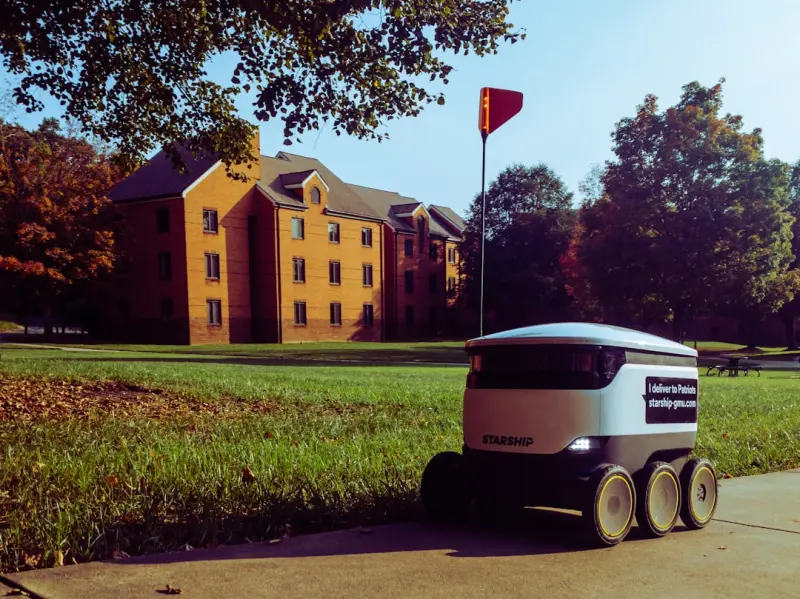
Beyond the Crash: How Drones and Delivery Robots Are Redefining Personal Injury Law
A deep dive into the emerging challenges personal injury law faces with autonomous drones, ground‑... Read More
Top Posts
The Intersection of Automotive Law and Family Law: Understanding Liability in Vehicle Accidents
The intersection of automotive law and family law is complex. Understand liability in vehicle accidents, negligence, vehicle maintenance, and seeking profession...Read More
Why the Four‑Day Workweek Is Becoming a Legal Imperative
The four‑day workweek is moving from a trendy perk to a legal battleground, prompting new overtime calculations, union debates, and AI‑based compliance chal...Read More

Mental Health Leave in the Remote Era: Legal Risks and Practical Solutions
In a world where remote work is the norm, mental health leave has become a legal imperative. This post breaks down federal and state obligations, offers actiona...Read More

When Vows Meet Virtual Assets: Marriage Law in the Digital Frontier
A deep dive into the challenges and strategies for couples navigating marital property law in the age of digital assets, from crypto wallets to tokenized real e...Read More
0 Comments
Post Comment
You will need to Login or Register to comment on this post!