
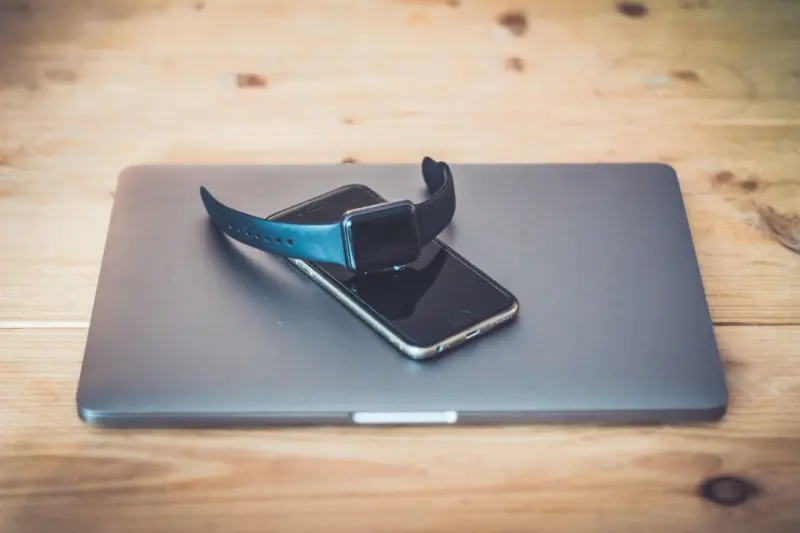
The Wearable Wave: How Sensors and Smartphones Are Redefining Personal Injury Litigation
Imagine stepping off a cracked sidewalk, feeling a sudden jolt, and instantly your smartwatch records the exact moment of impact, the angle of your fall, and the physiological response of your body. A few minutes later, that same device uploads the data to a secure cloud, where a specialist can analyze it alongside police reports and witness statements. This isn’t science‑fiction; it’s the emerging reality for personal injury plaintiffs and defense teams alike. In the last few years, the proliferation of wearable technology—smart watches, fitness trackers, even smart glasses—has created a new frontier of evidentiary material that is reshaping how cases are built, negotiated, and decided.
Traditional personal injury cases have relied heavily on testimony, medical records, and sometimes blurry surveillance footage. Those sources, while valuable, can be ambiguous and leave room for dispute. Sensors, on the other hand, capture objective, timestamped data at the millisecond level. They can demonstrate not only that an injury occurred, but also the precise biomechanics of the event, the environmental conditions, and even the plaintiff’s pre‑injury health baseline. As courts become more comfortable admitting digital evidence, attorneys who understand how to harness these data streams gain a decisive advantage.
Why Wearables Matter More Than Ever
The surge in wearable adoption is staggering. According to industry estimates, hundreds of millions of devices are active worldwide, and each one continuously logs heart rate, accelerometer readings, GPS location, and sometimes even blood oxygen levels. For a personal injury plaintiff, these metrics can answer critical questions that were once speculative:
- Speed of impact. Accelerometers can calculate the force of a fall or collision, providing an objective measure of trauma.
- Pre‑injury health data. Baseline heart‑rate variability and activity logs can prove that a claimant was otherwise healthy before the incident.
- Post‑injury symptoms. Elevated resting heart rate, disrupted sleep patterns, and reduced activity levels can corroborate pain and disability claims.
- Location verification. GPS data can confirm whether a plaintiff was actually at the claimed site at the alleged time.
These data points help close the evidentiary gap that defense attorneys often exploit. When a plaintiff says “I was dizzy after the slip,” a smartwatch that recorded a sudden spike in heart rate and a loss of balance metric can turn that statement into a scientifically backed fact.
Collecting, Preserving, and Authenticating Sensor Data
While the potential is vast, the practical steps for securing wearable data are still evolving. The first rule of thumb is to act quickly. Many devices encrypt data locally and only upload it when connected to Wi‑Fi or a paired phone. If a plaintiff’s device is turned off, reset, or the battery dies, critical data may be lost forever.
Attorney teams now employ a three‑step protocol:
- Forensic preservation. This involves seizing the device, creating a bit‑by‑bit image, and securing the original for chain‑of‑custody purposes. Specialized digital forensics firms can extract raw sensor logs without altering the device’s state.
- Data validation. Once extracted, the logs must be calibrated against known standards. For example, an accelerometer reading can be cross‑referenced with an independent impact test to confirm accuracy.
- Expert testimony. A biomechanical engineer or data scientist translates the raw numbers into lay‑person language, explaining how a 3‑g impact correlates with a concussion risk or spinal injury.
Courts are increasingly recognizing that properly authenticated digital evidence meets the same standards as traditional medical records. However, attorneys must be prepared to defend against challenges that claim the data was tampered with, incomplete, or irrelevant.
Privacy Concerns and Ethical Boundaries
Collecting intimate health data raises legitimate privacy questions. Plaintiffs may feel uneasy about exposing their daily activity patterns or heart‑rate trends. The key is informed consent: clients must understand what data will be used, how it will be stored, and who will have access.
Law firms are turning to a privacy‑by‑design framework to embed data protection into every stage of the evidence‑gathering process. This means encrypting the data at rest, limiting access to a need‑to‑know basis, and providing clear opt‑out options. By doing so, attorneys not only protect client rights but also strengthen the admissibility of the evidence—courts are more likely to trust data that has been handled responsibly from the outset.
Beyond the Courtroom: How Insurers Are Using Wearable Data
Insurers are not merely passive observers; many have begun integrating wearable data into their claims assessment algorithms. Some policies now offer premium discounts for clients who share activity data, under the premise that healthier lifestyles reduce injury risk. In the event of a claim, insurers can request access to the same data to verify the extent of loss.
This shift forces plaintiffs’ counsel to be proactive. If a client’s device data suggests a quicker return to activity than the plaintiff claims, the defense may argue that the injury was less severe. Conversely, if the data reveals a prolonged decrease in activity, it can bolster a higher damages request. Understanding the insurer’s analytics becomes as crucial as understanding the plaintiff’s medical records.
The Role of Emerging Technologies: AI, VR, and the Future of Accident Reconstruction
Wearable data is only part of the equation. Artificial intelligence can now ingest raw sensor logs, combine them with environmental data (weather, road conditions), and generate a 3‑dimensional reconstruction of the incident. Virtual reality (VR) platforms then allow jurors to “step into” the accident scene, seeing exactly how forces acted on the body.
While this technology is still in its infancy, early adopters report higher settlement rates because the visual narrative is compelling. A plaintiff’s lawyer can present a VR simulation that shows a cyclist’s trajectory, the point of impact, and the resulting biomechanical stress, all powered by real‑world wearable data. Defense teams, however, can also use the same tools to counter‑argue, emphasizing different variables or questioning the model’s assumptions.
Practical Tips for Attorneys and Clients
To stay ahead of the curve, legal practitioners should consider the following actionable steps:
- Educate clients early. During the intake interview, ask whether the plaintiff uses any wearable devices and obtain written permission to access relevant data.
- Partner with tech experts. Build relationships with digital forensic analysts and biomechanical engineers who can translate raw logs into courtroom‑ready evidence.
- Develop a data‑retention policy. Specify how long you will keep sensor data, how it will be destroyed, and who will have access throughout the case lifecycle.
- Stay updated on jurisdictional rules. Some courts have specific pre‑trial rulings on digital evidence admissibility; knowing these rules can save time and resources.
- Leverage insights from other fields. For instance, marketers use search‑intent insights to predict behavior patterns. Similar analytical frameworks can help anticipate how a jury might interpret sensor data.
Potential Pitfalls and How to Avoid Them
Even with the most sophisticated data, missteps can jeopardize a case:
- Overreliance on technology. Sensors are not infallible; they can produce false positives if the device malfunctions. Always corroborate with medical records and eyewitness accounts.
- Ignoring the human element. A compelling story still matters. Data should enhance, not replace, the narrative of pain and loss.
- Neglecting privacy safeguards. Mishandling personal health information can result in sanctions, loss of client trust, and even malpractice claims.
By balancing technological rigor with empathetic advocacy, attorneys can turn wearables into a powerful ally rather than a potential liability.
Looking Ahead: The Next Five Years
As wearables become more integrated into everyday life—think smart clothing that monitors joint stress, or contact lenses that track ocular pressure—the pool of admissible data will expand dramatically. Legislators are already debating standards for digital health records, which could standardize how sensor data is stored and shared across platforms.
In this evolving landscape, the most successful personal injury firms will be those that treat technology as a core competency, not an afterthought. They will invest in staff training, forge cross‑disciplinary partnerships, and develop internal protocols that respect both evidentiary value and client privacy.
The bottom line is clear: the era where a plaintiff’s case hinges solely on testimony and doctor’s notes is fading. Wearable tech is turning every step, heartbeat, and stumble into potential evidence, and the legal community must adapt—or risk being left behind.

Kris M. Chen is a dedicated legal paralegal based in Texas, specializing in delivering comprehensive case management and litigation support. Known for a meticulous approach to legal research and document preparation, Kris plays a vital role in navigating complex legal workflows and ensuring seamless trial preparation.
Related Posts

When Alexa Trips: Navigating Personal Injury Claims in the Smart Home Era
Smart home devices promise convenience, but they can also cause injuries. This article breaks down l... Read More

Riding the Legal Wave: Personal Injury Claims in the Age of Ride‑Sharing and Autonomous Cars
Ride‑sharing and driverless cars are changing how personal injury claims work. Learn the new liabi... Read More

When Slip‑and‑Fall Meets Social Media: How Modern Evidence Shapes Personal Injury Claims
Social media isn’t just a scrolling pastime—it’s becoming courtroom evidence. Discover how mod... Read More
Top Posts

Algorithmic Hiring: Navigating Legal Risks and Building Trust
Algorithmic hiring offers speed and data‑driven insights, but it also raises serious legal concerns. This post breaks down bias, transparency, and compliance ...Read More

The Unseen Perils of Autonomous Freight: Who Controls the Cargo?
Autonomous freight promises efficiency, but its algorithmic decision‑making, supply‑chain interdependence, and regulatory gray zones create a dangerous oper...Read More

Algorithmic Management and Workers’ Rights: Navigating the Legal Frontier
A deep dive into algorithmic management, its legal challenges, and actionable guidance for employers and workers to navigate the new terrain of automated workpl...Read More

Pet Custody in Divorce: Protecting Your Furry Family Members
Divorce can split more than assets—your beloved pets are often caught in the crossfire. Learn how to secure their future with legal strategies, pet parenting ...Read More
0 Comments
Post Comment
You will need to Login or Register to comment on this post!