

The SEO Landscape Has Shifted
When I first cut my teeth on keyword‑heavy meta tags, the rulebook was simple: cram the exact phrase, sprinkle a few synonyms, and watch the rankings climb. Fast forward a decade, and that playbook looks like a relic from a bygone era. Search engines have become sophisticated conversationalists, and the battle for visibility now hinges on understanding the human behind the query.
Search Intent Is the New Currency
Think of search intent as the digital equivalent of a handshake. It’s the silent agreement between a user and a search engine that says, “I’m looking for this, and you’re the best place to deliver it.” In practice, this means moving beyond the what of a query and digging into the why.
- Informational – The user wants to learn something. Example: “how does structured data improve SEO?”
- Transactional – The user is ready to act, whether buying or signing up. Example: “best SaaS SEO tools for B2B.”
- Navigational – The user is searching for a specific brand or site. Example: “Kris Kennel blog.”
When you align your content with the precise intent, you’re not just feeding a search engine—you’re satisfying a real need. That alignment is the cornerstone of sustainable organic traffic.
Semantic SEO: The Engine Under the Hood
Semantic SEO is the art of building context. It’s about teaching Google the relationships between concepts, not just individual words. This is where tools like copyright in the AI age can inform your strategy. By understanding how AI generates and interprets content, you can craft pages that naturally answer related questions, capture featured snippets, and earn voice‑search eligibility.
Key tactics include:
- Implementing structured data (JSON‑LD) to surface rich results.
- Creating topic clusters that link pillar pages to deep‑dive articles.
- Using entity mapping to associate your brand with industry‑specific terminology.
Why Technical Health Still Matters
Even the most brilliant content can drown if the site’s technical foundation is shaky. Crawl budget, page speed, mobile‑first indexing, and secure HTTPS are non‑negotiables. I often liken technical SEO to the plumbing in a high‑rise building—if the pipes are clogged, no amount of fresh paint will make the space livable.
Some practical steps you can take today:
- Run a core web vitals audit and address LCP (Largest Contentful Paint) issues.
- Audit your robots.txt and sitemap.xml files for accidental blocks.
- Consolidate duplicate content with canonical tags.
Content That Earns Links Naturally
Link building used to be a numbers game: acquire as many backlinks as possible, regardless of relevance. Modern SEO rewards relevance, authority, and trust. The most effective link‑earning assets are those that solve a problem nobody else has tackled.
Consider publishing a data‑driven benchmark report for your niche. When you combine original research with clear visualizations, you give journalists, analysts, and even competitors a reason to cite your work. That organic endorsement translates into high‑quality backlinks that Google loves.
Measuring Success Beyond Rankings
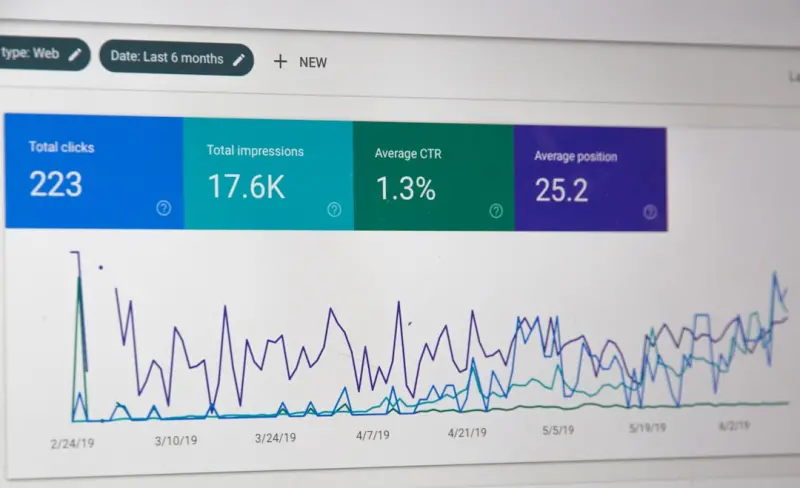
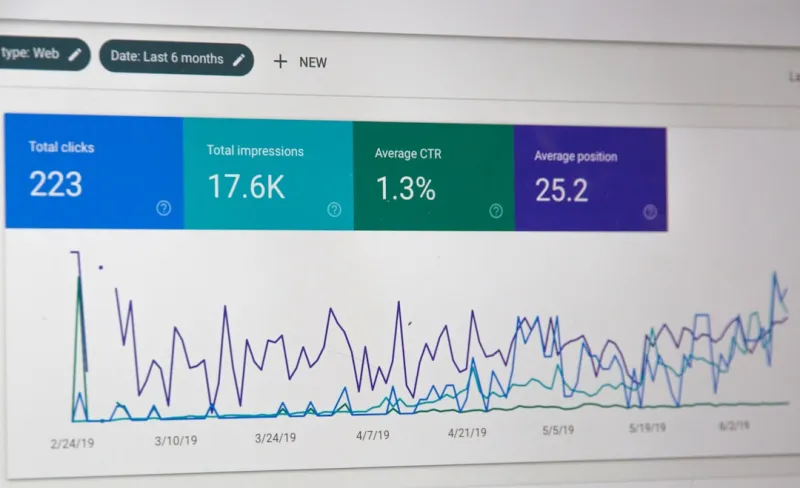
Traditional SEO metrics—position, impressions, clicks—are still useful, but they don’t paint the full picture. For a B2B SaaS audience, the ultimate goal is qualified leads. Here’s a more holistic KPI set:
- Organic conversion rate – Percentage of visitors who complete a desired action.
- Assisted conversions – How many sales were influenced by organic touchpoints.
- Engagement depth – Time on page, scroll depth, and scroll‑through rates across a content series.
By tying organic performance to revenue outcomes, you turn SEO from a cost center into a growth engine.
Future‑Proofing Your SEO Strategy
The next wave of SEO will be shaped by AI‑generated content, multimodal search (image and video), and increasingly personalized SERPs. To stay ahead, you need a mindset that embraces change rather than resists it.
One emerging practice is prompt engineering for AI content generators. By carefully designing prompts, you can produce drafts that are both SEO‑friendly and brand‑consistent, then let human editors add nuance and authority. It’s a collaborative workflow that speeds up production without sacrificing quality.
Another trend is voice‑first optimization. As smart speakers and digital assistants become household staples, structuring content to answer concise, conversational questions will become a competitive advantage.
Integrating SEO With Your SaaS Business Model
For SaaS companies, SEO is not an isolated channel; it should intersect with product, sales, and support. Imagine embedding SEO insights directly into your cloud subscription strategy roadmap. When product managers know which features are most searched for, they can prioritize development that directly meets market demand.
Likewise, support teams can leverage high‑ranking “how‑to” articles to reduce ticket volume. This creates a virtuous loop: better support improves user satisfaction, which boosts brand signals, which in turn strengthens SEO.
Common Pitfalls and How to Avoid Them
Even seasoned marketers slip into outdated habits. Here are three traps I see regularly:
- Keyword stuffing – Over‑optimizing for exact matches can trigger algorithmic penalties.
- Neglecting mobile UX – With mobile‑first indexing, a clunky mobile experience kills rankings.
- One‑off content pushes – Publishing isolated articles without a supporting cluster dilutes authority.
Address these by adopting a holistic, user‑first approach: plan content around intent, test on real devices, and build interlinked clusters that reinforce each other.
Wrapping Up: The SEO Mindset for the Modern SaaS Leader
SEO is no longer a back‑office afterthought; it’s a strategic lever that can unlock sustainable growth. By mastering search intent, embracing semantic signals, fortifying technical health, and aligning SEO with product and sales, you’ll create a digital presence that resonates with both users and algorithms.
If you’re ready to elevate your organic game, start with a content audit that maps every page to a clear intent, then iterate from there. The search landscape will continue to evolve, but a focus on genuine value will always stay relevant.

Kris Kennel is a Paralegal outside of Austin, Texas where he spends most of his time helping users with legal matters that concern them. When he is not working he enjoys time with his wife and kids.
Related Posts

AI‑Generated Content and the New SEO Playbook
AI content is rewriting the SEO rulebook. I dive into why speed alone isn’t enough, how to blend h... Read More
Semantic Content Clusters: The New Frontier for Voice Search
Discover a step‑by‑step framework for creating semantic content clusters that align with voiceâ€... Read More
Why SEO Must Evolve with AI: A Fresh Take on Ranking in the Age of Algorithms
Explore how AI transforms SEO, from intent‑focused content and technical health to structured data... Read More
Top Posts

When Insurance Companies Play Bad Faith: Modern Legal Challenges
A deep dive into the rising bad‑faith disputes in insurance, highlighting AI’s impact, policy pitfalls, and practical advice for both insurers and claimants...Read More

When Your CI/CD Pipeline Becomes a Hazardous Machine
Discover why CI/CD pipelines can turn into dangerous operations and how to safeguard them with observability, immutable artifacts, and a culture of shared respo...Read More

Is It a Breach of Privacy if an Employer Collects Its Employee’s Refusal to Take a Drug Test?
When an employee refuses a drug test, many wonder if documenting that refusal constitutes a privacy violation. Generally, recording this decision is a standard ...Read More

When Vows Meet Algorithms: Navigating Marriage Law in the Digital Age
A deep dive into how smart contracts, AI counseling, virtual ceremonies, and digital assets are transforming marriage law, offering practical guidance for coupl...Read More
0 Comments
Post Comment
You will need to Login or Register to comment on this post!