
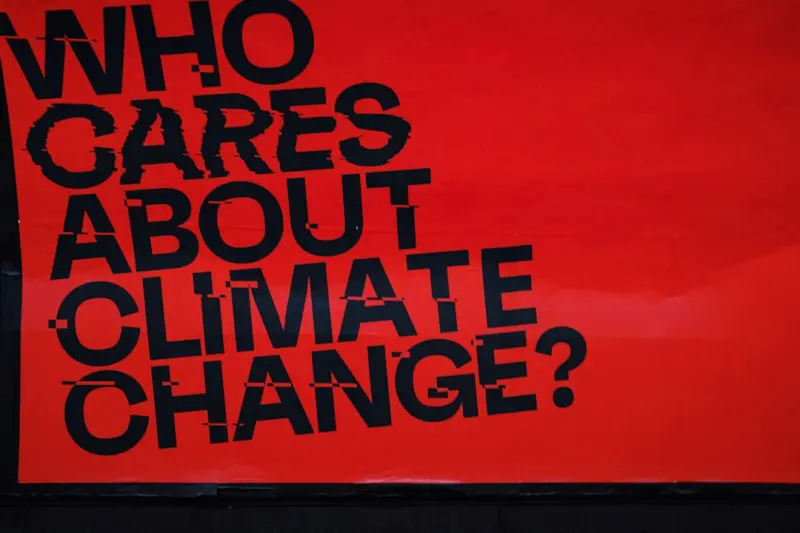
Why Climate Risk Disclosures Are Becoming a Deal‑Breaker in Real Estate Transactions
When I first started navigating the world of commercial real estate law, the conversation around risk was dominated by traditional concerns: title defects, zoning variances, and the ever‑present specter of Slip‑and‑Fall Claims in multi‑tenant buildings. Fast‑forward a few years, and the conversation has shifted dramatically. Climate risk—floods, wildfires, extreme heat, and sea‑level rise—is now the top agenda item for investors, lenders, and tenants alike.
The Legal Landscape Is Evolving Faster Than the Weather
Courts and regulators across the United States have begun to treat climate risk not as an “externality” but as a material fact that must be disclosed in real estate transactions. The SEC’s Climate‑Related Disclosure rules have set a precedent that public companies must reveal how climate change could affect their assets. While those rules target publicly traded entities, the ripple effect is clear: private equity funds, REITs, and even small‑scale landlords are now expected to surface the same information.
In my practice, I’ve seen a surge in climate‑risk addenda tacked onto purchase‑sale agreements. These clauses often require the seller to provide:
- Historical floodplain data and any prior flood insurance claims.
- Documentation of recent climate‑impact assessments (e.g., FEMA’s flood maps, state‑run wildfire risk models).
- Evidence of mitigation measures already in place, such as elevated utilities or fire‑resistant roofing.
- A covenant allowing the buyer to renegotiate or terminate if new climate data emerges during due diligence.
Failing to include these disclosures can lead to post‑closing litigation, insurance disputes, and, most importantly, a loss of confidence among investors who increasingly demand transparency.
What Triggers a Climate Disclosure Obligation?
Not every property sits on the edge of a cliff or in a floodplain, but the threshold for disclosure is expanding. Here are the key triggers that typically set off a duty to disclose:
- Geographic Location: Properties located within designated flood zones (FEMA’s Special Flood Hazard Areas) or in states with high wildfire probability (California, Colorado, Oregon) automatically attract scrutiny.
- Physical Characteristics: Low‑lying structures, buildings with basements, or facilities with critical infrastructure (data centers, hospitals) are considered higher risk.
- Regulatory Changes: New state or local ordinances that impose stricter building codes or mandatory resiliency upgrades can retroactively affect existing assets.
- Financing Terms: Lenders are incorporating climate risk metrics into loan covenants, demanding proof that borrowers have taken reasonable mitigation steps.
- Investor Requirements: ESG‑focused funds are asking for detailed climate scenario analyses as a condition of capital deployment.
How to Conduct a Robust Climate Due Diligence
Effective climate due diligence is a multidisciplinary effort. Below is a step‑by‑step framework I recommend to my clients:
- Data Collection: Start with publicly available data—FEMA flood maps, NOAA storm surge models, and state wildfire risk assessments. Augment this with proprietary tools that provide hyper‑local climate projections.
- Engage Specialists: Climate scientists, civil engineers, and environmental consultants can translate raw data into actionable insights. Their reports become the backbone of your disclosure documents.
- Scenario Analysis: Model the financial impact of various climate events (e.g., a 100‑year flood, a Category 4 hurricane). This helps quantify risk and informs negotiation strategies.
- Insurance Review: Evaluate the availability and cost of flood, wind, and wildfire insurance. In many high‑risk areas, insurers are withdrawing coverage altogether, which dramatically alters the risk profile.
- Legal Review: Identify any existing covenants, easements, or zoning restrictions that could affect mitigation options. This is where a seasoned real‑estate attorney can spot hidden liabilities.
- Mitigation Planning: If the property is high risk, outline a remediation plan—elevating critical equipment, installing firebreaks, or upgrading drainage systems. Incorporating these plans into the purchase agreement can preserve value.
Negotiating Climate Clauses: A Practical Playbook
When climate risk becomes a bargaining chip, the language you use matters. Below are the most common clauses I draft, along with practical tips on how to protect your client’s interests:
1. Climate Disclosure Warranty
This clause obligates the seller to warrant that all known climate risks have been disclosed. Tip: Include a carve‑out for “information not reasonably available at the time of signing,” to shield the seller from liability for unknown future data.
2. Right to Terminate or Renegotiate
If a newly discovered risk materially changes the property’s value, the buyer may walk away or demand a price reduction. Tip: Define “material” in quantifiable terms—e.g., a projected increase in insurance premiums exceeding 15% of net operating income.
3. Escrow for Mitigation Costs
Set aside a portion of the purchase price in escrow to fund immediate climate‑risk mitigation measures. Tip: Tie release of escrow funds to completion of independent third‑party verification of mitigation work.
4. Lender‑Specific Climate Covenants
Many lenders now require borrowers to maintain a certain “climate resilience score.” Draft language that aligns the buyer’s obligations with the lender’s criteria, and include a “force‑majeure” clause for unexpected regulatory changes.
The Role of Technology: From AI to Climate Analytics
Just as AI‑Powered Property Valuations are reshaping how we assess market value, advanced analytics are transforming climate risk assessment. Machine‑learning models can predict flood frequencies with greater accuracy than traditional methods, while satellite imagery offers near‑real‑time monitoring of land‑use changes that affect fire risk.
However, integrating these tools into legal workflows raises new questions: Who is liable if an AI model underestimates risk? How do we certify the data source? My advice is to treat technology as a supplement—not a replacement—for expert analysis, and to embed clear contractual language about the reliance on third‑party data.
Case Study: A Coastal Office Building That Went From Gold Mine to Liability
Last year, a client of mine was poised to acquire a 12‑story office tower in a bustling waterfront district. The initial due diligence revealed a standard title report and a clean financials statement. However, after we ran a comprehensive climate risk assessment, the property was found to be within a moderate‑to‑high flood zone, with projected sea‑level rise potentially encroaching on the ground floor within the next decade.
Key outcomes of the negotiation:
- We secured a price reduction of 12% to account for anticipated flood mitigation costs.
- An escrow of $2.5 million was established to fund the installation of flood‑resistant barriers and the elevation of electrical systems.
- The purchase agreement included a clause allowing the buyer to terminate if the local municipality adopted new ordinances that would prohibit the building’s current use without costly retrofits.
- The seller agreed to provide a detailed engineering report from a certified flood‑mitigation specialist within 30 days of closing.
This deal underscores how climate disclosures can protect buyers from hidden liabilities and, conversely, how sellers who proactively disclose can preserve transaction momentum and goodwill.
Insurance Implications: When Policies Disappear
One of the most tangible effects of climate risk is the shifting insurance landscape. In several high‑risk regions, insurers have begun to either raise premiums dramatically or withdraw coverage entirely. For a landlord, this can mean:
- Increased operating expenses that erode cash flow.
- Difficulty securing financing, as lenders often require adequate insurance as a covenant.
- Higher tenant turnover if businesses can’t obtain the coverage they need to operate safely.
To mitigate these challenges, I advise clients to explore alternative risk transfer mechanisms, such as:
- Parametric Insurance: Payouts are triggered by predefined events (e.g., a flood of a certain depth) rather than loss assessment, offering quicker relief.
- Captive Insurance: Larger property owners can create a captive entity to self‑insure, which can be more flexible in high‑risk locales.
- Public‑Private Partnerships: Some municipalities are establishing joint funds to subsidize mitigation for critical infrastructure.
Regulatory Trends to Watch
Staying ahead of the curve is essential. Here are the regulatory developments that will shape climate disclosure practices in the near future:
- California’s SB 1253: Requires real‑estate transactions involving properties larger than 5,000 sq ft to disclose climate‑related hazards.
- NYC’s Climate Resiliency Disclosure Ordinance: Mandates that all commercial leases disclose any known flood or heat‑risk vulnerabilities.
- Federal Climate Risk Act (proposed): Would impose a nationwide standard for climate risk disclosures in all real‑estate transactions involving financing above $10 million.
Even if a jurisdiction has not yet enacted specific statutes, the trend is unmistakable: Courts are increasingly willing to interpret nondisclosure of material climate risks as a breach of the implied covenant of good faith and fair dealing.
Practical Tips for Real Estate Professionals
Whether you’re a broker, attorney, or investor, integrating climate risk into your workflow doesn’t have to be a massive overhaul. Here are five actionable steps you can take today:
- Standardize a Climate Checklist: Include items like flood zone status, wildfire proximity, and local climate ordinances in your transaction due‑diligence templates.
- Partner with Climate Data Vendors: Subscribe to reputable sources that provide up‑to‑date risk maps and scenario analysis tools.
- Educate Your Team: Host quarterly webinars on emerging climate regulations and insurance trends to keep everyone on the same page.
- Embed Disclosure Clauses Early: Include a baseline climate disclosure clause in LOIs (Letters of Intent) to set expectations from the outset.
- Document All Communications: Keep a clear paper trail of any climate‑related information exchanged, as this can be critical evidence if disputes arise.
Looking Ahead: The Future of Real Estate Law in a Changing Climate
We are at a pivotal moment where climate risk is moving from a peripheral consideration to a core component of real‑estate law. The intersection of environmental science, technology, and legal practice is creating new opportunities for lawyers who can translate complex data into clear contractual protections.
In my view, the next wave will bring:
- Standardized Climate Disclosure Forms akin to the Uniform Commercial Code for transactions.
- Greater Use of Green Leases, where tenants share in the cost of energy‑efficiency upgrades, tied to measurable performance metrics.
- Increased Litigation over failure to disclose or mitigate climate risks, especially as the frequency of extreme events accelerates.
By embracing proactive disclosure, leveraging technology, and staying attuned to regulatory shifts, real‑estate professionals can not only protect their clients but also contribute to a more resilient built environment.
Final Thoughts
Climate risk is no longer a distant threat; it is a present reality that can make or break a real‑estate deal. As attorneys, brokers, and investors, we have a responsibility to ask the right questions, demand transparent data, and embed robust protections into our contracts. The cost of inaction—whether in the form of litigation, lost value, or stranded assets—far outweighs the effort required to integrate climate disclosures into our standard practice.
If you’re navigating a transaction that could be impacted by climate considerations, let’s talk. Together, we can craft agreements that stand up to the challenges of a warming world.

Allison Jarvis is a dynamic digital media and marketing professional dedicated to driving brand growth through impactful storytelling. With a sharp eye for market trends and a passion for data-driven strategies, she specializes in building cohesive online identities that resonate with modern audiences. Allison blends creative content production with robust analytics to maximize engagement and deliver measurable ROI. She continuously explores emerging digital tools to keep her projects ahead of the curve.
Related Posts

Navigating Real Estate Crowdfunding: Risks and Rewards
Real‑estate crowdfunding opens property markets to everyday investors, but it brings complex secur... Read More

AI‑Powered Valuations: Legal Safeguards Every Landlord Needs
Artificial intelligence is transforming property valuations, but it brings new legal challenges. Thi... Read More
Legal Playbook for Co‑Living: Navigating Zoning, Leases, and Liability
A comprehensive guide to the legal hurdles of co‑living, covering zoning, lease clauses, tenant sc... Read More
Top Posts

When Algorithms Meet the Gavel: Navigating Criminal Law in the Digital Age
A deep dive into the impact of AI, social media, and predictive policing on criminal law, offering practical defense tactics for the modern courtroom....Read More

Who Owns the Art When AI Does the Heavy Lifting?
AI tools are reshaping creativity, but ownership remains unclear. Discover how to navigate copyright, contracts, and licensing to protect AI‑generated art and...Read More
Divorce in the Digital Age: Navigating the Legal and Emotional Landscape
Explore the modern divorce journey—legal tech, financial safeguards, child custody, and self‑care—offering practical insights for a smoother transition....Read More

Divorce and the Digital Identity: Protecting Your Online Reputation
Discover essential steps to clean up your digital footprint, protect your reputation, and navigate online challenges after a divorce....Read More
0 Comments
Post Comment
You will need to Login or Register to comment on this post!