

Why Community Land Trusts Are the Quiet Revolution in Real Estate Law
When I first stepped onto a neighborhood council meeting and heard residents speak about “protecting the soul of the street,” I realized that the real battle for our built environment isn’t being fought in boardrooms or on construction sites—it’s happening at the very foundation of property ownership. Community Land Trusts (CLTs) have emerged as a legal mechanism that quietly rewrites the rules of land tenure, affordability, and inter‑generational equity. In this post, I’ll walk you through the legal scaffolding of CLTs, the strategic advantages they offer developers, and the pitfalls you need to dodge if you want to embed community‑centric values into a profit‑driven market.
The Anatomy of a Community Land Trust
At its core, a CLT is a nonprofit entity that holds title to land while granting long‑term leaseholds (often 99 years) to homeowners, businesses, or institutions. This separation of land ownership from the improvements built upon it creates a dual‑title structure that insulates the community from speculative price swings.
- Land ownership: The trust retains the fee simple interest, ensuring that any increase in land value benefits the community.
- Improvements ownership: Residents own the structures, but they agree to resale restrictions that keep homes affordable for future buyers.
- Governance: Most CLTs adopt a tripartite board—one-third residents, one-third community members, and one-third public or philanthropic representatives. This structure is designed to balance power and keep the mission front‑and‑center.
From a legal standpoint, the CLT model raises questions that traditional real estate transactions simply don’t address: How do you draft a lease that preserves affordability without violating constitutional takings? What financing options are available when the land itself is owned by a nonprofit? And how do you navigate zoning and land‑use regulations that assume a single owner?
Legal Foundations: Trust Law Meets Real Estate
Creating a CLT requires a hybrid approach that pulls from trust law, nonprofit corporate law, and real estate conveyancing. The first step is to form a nonprofit corporation under state law, adopting articles of incorporation that explicitly state a charitable purpose to promote affordable housing or community development. Next, the organization must execute a land trust agreement that transfers the fee simple interest to the trust while outlining the rights and obligations of leaseholders.
Key legal provisions to consider include:
- Resale formulas: Most CLTs use a “shared‑equity” formula that caps the appreciation a homeowner can realize, typically allowing them to sell at a price reflecting market growth on the building but not on the land.
- Ground‑rent clauses: Leaseholders pay a modest, annually indexed ground rent to the trust, which helps fund the trust’s operations and future land acquisitions.
- Transfer restrictions: To prevent speculative flipping, the lease includes covenants that require the homeowner to sell the property back to the trust or an approved buyer at the predetermined resale price.
These clauses must be crafted with precision. Overly restrictive language can run afoul of state usury laws or be deemed an unreasonable restraint on alienation, which courts have struck down in the past. Conversely, vague provisions can create loopholes that savvy investors exploit.
Financing the Trust: From Tax Credits to Impact Capital
One of the biggest hurdles developers face when partnering with a CLT is securing financing for a project where the land is not owned by a for‑profit entity. Fortunately, a growing toolbox of public and private capital sources has emerged:
- Low‑Income Housing Tax Credits (LIHTC): Because CLTs are nonprofit, they can partner with for‑profit developers who receive LIHTC allocations, creating a win‑win where the developer gains tax benefits while the CLT retains land ownership.
- Community Development Financial Institutions (CDFIs): These lenders specialize in mission‑aligned loans that accommodate unconventional ownership structures.
- Impact‑investor funds: Many ESG‑focused funds view CLTs as a low‑risk, high‑impact asset class and are willing to provide mezzanine financing or equity.
When structuring these deals, it’s essential to draft inter‑entity agreements that clearly delineate risk allocation. For instance, a development agreement should specify that the developer assumes construction risk, while the CLT retains the land‑related risk. This division of risk not only protects each party’s interests but also satisfies lenders who require a clear hierarchy of collateral.
Regulatory Landscape: Zoning, Entitlements, and the Public Good
Municipalities often view CLTs favorably because they align with affordable‑housing mandates and anti‑gentrification policies. However, the regulatory maze can still trip up even seasoned practitioners. Here are three regulatory touchpoints you’ll encounter:
- Zoning variances: Many CLT projects aim to increase density or introduce mixed‑use components that conflict with existing zoning. Engaging with planning commissions early and presenting a community impact statement can smooth the path.
- Subdivision approvals: When a CLT parcels land for multiple leaseholds, it must comply with subdivision ordinances, which may require infrastructure improvements that the trust must fund.
- State affordable‑housing statutes: Some states have statutes that incentivize land trusts with tax abatements or grant programs. Knowing the nuances—such as eligibility thresholds and reporting requirements—is crucial for maximizing benefits.
In practice, I’ve seen developers who treat the CLT as a “nice‑to‑have” add‑on lose momentum when the city demands additional studies or public hearings. The key is to integrate the CLT’s legal framework into the project’s core strategy from day one, rather than as an afterthought.
Strategic Advantages for Developers
Beyond the altruistic appeal, CLTs can be a strategic asset for developers looking to future‑proof their portfolios:
- Risk mitigation: By separating land ownership from the building, developers can limit exposure to land‑value volatility, especially in markets prone to boom‑bust cycles.
- Community goodwill: Partnering with a CLT signals a commitment to long‑term community stability, which can translate into smoother permitting processes and stronger brand equity.
- Access to public incentives: Many municipalities offer density bonuses or expedited approvals for projects that incorporate affordable‑housing components—CLTs are a proven vehicle for meeting those criteria.
In a recent conversation with a developer who was hesitant about the added complexity, I likened the CLT to a “foundation warranty.” Just as a home buyer appreciates a structural guarantee, a developer can appreciate a legal structure that safeguards the land’s value against speculative forces.
Potential Pitfalls and How to Avoid Them
Every legal innovation carries its own set of hazards. Below are the most common traps I’ve observed, along with practical remedies:
1. Inadequate Governance Structures
When the board composition skews heavily toward non‑resident members, the trust can lose legitimacy and face challenges from the community. To avoid this, embed clear bylaws that require resident representation and establish regular community forums for feedback.
2. Over‑Restrictive Lease Terms
Courts have struck down lease clauses that effectively prevent a homeowner from exercising a basic property right. Draft lease terms that balance affordability with flexibility—consider a “step‑up” resale formula that gradually loosens restrictions over time.
3. Financing Gaps
Some lenders remain uneasy about the dual‑title model. Mitigate this by securing a letter of credit or a guaranty from a reputable nonprofit or municipal entity, which can serve as additional collateral.
4. Compliance Fatigue
CLTs must file annual Form 990, maintain public records, and comply with state nonprofit statutes. Establish a compliance calendar and consider outsourcing tax‑exempt status management to a specialist firm.
5. Misaligned Mission and Market
If the trust’s mission is too narrow, it may limit revenue‑generating opportunities. Conversely, a mission that’s too broad can dilute focus. Conduct a market feasibility study before launching to ensure the trust’s scope matches community needs and financial realities.
Case Study: Integrating a CLT into a Mixed‑Use Development
Last year, a mid‑size developer partnered with a newly formed CLT to deliver a 120‑unit mixed‑use project in a rapidly gentrifying district. The CLT held the land, while the developer constructed the buildings and retained ownership of the commercial spaces. Here’s how they navigated the legal terrain:
- Pre‑development agreement: The parties executed a memorandum of understanding that outlined each party’s responsibilities, including the CLT’s commitment to provide a 30% affordable housing reserve.
- Ground‑rent schedule: Leaseholders paid an annually indexed ground rent of 2% of the assessed land value, which the CLT used to fund future acquisitions.
- Financing package: The developer secured a construction loan backed by the commercial portion, while the CLT obtained a low‑interest loan from a CDFI for the land purchase.
- Regulatory approvals: The city granted a density bonus in exchange for the CLT’s affordable‑housing commitment, expediting the entitlement process.
- Post‑occupancy management: The CLT established a property management arm to enforce resale restrictions and handle ground‑rent collections, ensuring long‑term compliance.
The result? The project delivered 84 market‑rate units, 36 affordable units, and a thriving retail corridor—all while preserving the land for future community use. This model demonstrates that CLTs can be a catalyst for both social impact and financial viability.
Connecting the Dots: How CLTs Fit Into the Broader Legal Ecosystem
While CLTs are a powerful tool on their own, they often intersect with other emerging legal trends. For instance, future‑proofing your legacy discussions highlight how trusts can incorporate sustainable values and digital assets—an idea that can be extended to land trusts seeking to embed climate‑resilient design standards.
Similarly, the adaptive reuse playbook offers insight into navigating zoning changes and historic preservation—issues that CLTs may encounter when repurposing existing structures on trust‑owned land.
By viewing CLTs as a node within a network of progressive legal frameworks—ranging from ESG‑focused financing to community‑benefit covenants—practitioners can craft holistic solutions that address both the immediate housing crisis and the long‑term health of neighborhoods.
Practical Steps to Launch Your Own Community Land Trust
If you’re convinced that a CLT could enhance your development pipeline or community agenda, follow this roadmap:
- Stakeholder Mapping: Identify local nonprofits, government agencies, and resident groups willing to participate.
- Legal Formation: File articles of incorporation and obtain 501(c)(3) tax‑exempt status. Draft comprehensive bylaws that embed community governance.
- Land Acquisition Strategy: Determine whether the trust will purchase land outright, receive donations, or acquire it through public‑private partnerships.
- Draft Core Documents: Create the land trust agreement, leasehold contracts, resale formulas, and ground‑rent schedules.
- Financing Plan: Engage with CDFIs, impact investors, and explore tax‑credit eligibility.
- Regulatory Clearance: Conduct zoning analysis, submit entitlement applications, and secure any needed variances.
- Community Outreach: Host workshops to educate potential leaseholders about rights, responsibilities, and long‑term benefits.
- Implementation & Management: Set up a property‑management system for rent collection, covenant enforcement, and periodic audits.
Remember, the success of a CLT hinges on transparency, community buy‑in, and robust legal drafting. Treat each step as an opportunity to reinforce the trust’s mission and to build a resilient legal architecture that can weather market fluctuations.
Looking Ahead: The Next Frontier for CLTs
The next wave of innovation may see CLTs intersecting with emerging technologies—think blockchain‑based land registries that provide immutable proof of trust ownership, or smart‑contract‑driven ground‑rent payments that auto‑adjust with inflation. While these tech‑centric ideas are still nascent, they underscore the importance of keeping CLT structures adaptable.
In the meantime, the most powerful tool remains the same: a well‑crafted legal framework that balances affordability, community control, and financial sustainability. As the real estate market continues to evolve, those who master the intricacies of Community Land Trust law will find themselves not only safeguarding neighborhoods but also unlocking new pathways for responsible development.

Liam James Professor with a PHD. & content creator with a passion for sparking curiosity and sharing knowledge. Driven by the joy of learning and storytelling, I bring ideas to life in every project. Always exploring, always teaching.
Related Posts

Navigating Real Estate Crowdfunding: Risks and Rewards
Real‑estate crowdfunding opens property markets to everyday investors, but it brings complex secur... Read More

Real Estate Tokenization: Redrawing Ownership Rules
Tokenization is turning traditional property titles into blockchain‑based shares, creating new leg... Read More

Navigating Short‑Term Rental Regulations: A Homeowner’s Legal Playbook
A comprehensive guide for homeowners on the legal maze of short‑term rentals, covering zoning, per... Read More
Top Posts
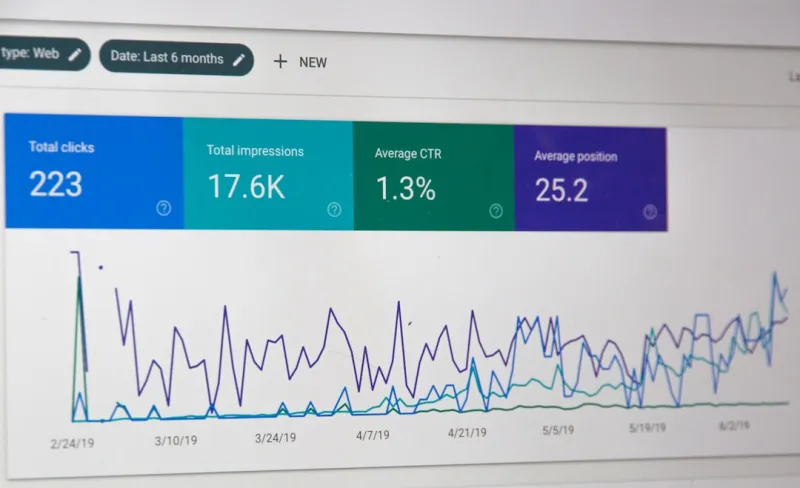
The Future of Search Engine Optimization: Trends to Watch
The future of SEO is rapidly evolving. Stay ahead of the curve with our expert analysis on the latest trends and insights to improve your online visibility and ...Read More

Navigating the New Wave of Workplace Mental Health Leave: Legal Strategies for Employers
Employers must adapt to expanding federal and state mandates on mental‑health leave. This guide outlines legal foundations, compliance checklists, privacy con...Read More

Co‑Parenting in the Digital Age: Redefining Custody Beyond the Courtroom
A fresh look at child custody in today’s connected world, offering practical steps to incorporate digital assets, screen‑time rules, and privacy safeguards ...Read More

When APIs Leak: Rethinking Privacy Law for Connected Services
APIs are the connective tissue of modern SaaS, but they also expose hidden privacy vulnerabilities. This post outlines regulatory trends, common pitfalls, and a...Read More
0 Comments
Post Comment
You will need to Login or Register to comment on this post!