
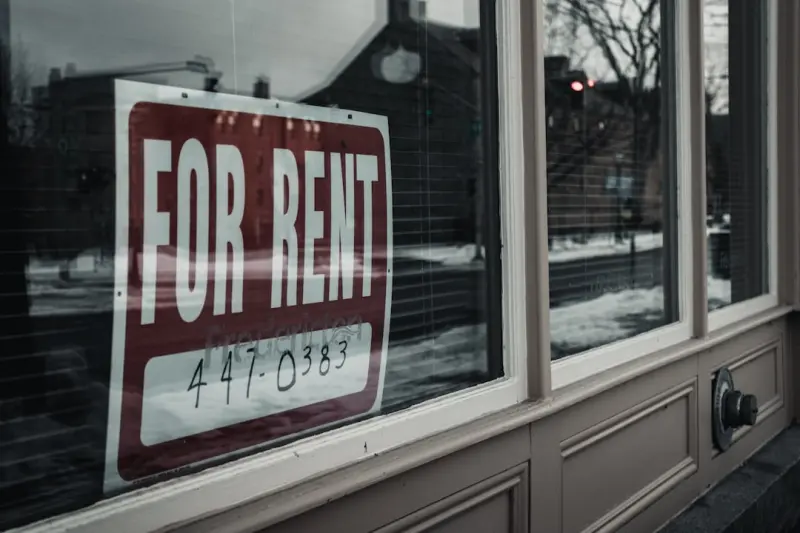
Why Short‑Term Rentals Are More Than a Trend
In the past decade, platforms that enable homeowners to rent out spare rooms or entire houses for a few nights have exploded, turning many traditional residences into miniature hospitality hubs. This shift brings a flood of revenue opportunities, yet it also drags property owners into a maze of local ordinances, homeowner‑association rules, and emerging state statutes that can change overnight. Ignoring these legal currents can quickly turn a lucrative side hustle into a costly courtroom battle, especially when municipalities begin cracking down on unlicensed rentals. Understanding the regulatory landscape before listing a property is the first line of defense for any savvy host.
Municipal Zoning and Ordinances: The First Legal Gate
Every city and county maintains a zoning code that determines whether a property can be used for transient lodging, and these codes vary dramatically from one jurisdiction to the next. Some areas designate entire districts as “short‑term rental zones,” while others ban the practice outright in residential neighborhoods. Homeowners must obtain a clear written determination from the local planning department, often requiring a conditional use permit that comes with community hearings and strict occupancy limits. Failing to secure the proper zoning classification can result in hefty fines, forced removal of listings, or even a forced sale of the property.
Lease Agreements and HOA Rules: Hidden Roadblocks
Even if municipal law permits short‑term rentals, the contractual obligations tied to the property may still prohibit them. Lease agreements for rented units often contain clauses that ban subletting or short‑term guest stays without landlord consent. Likewise, many homeowners’ associations enforce covenants that restrict commercial activity, citing concerns about traffic, noise, and property values. Violating these private contracts can trigger eviction proceedings, legal fees, and the loss of communal amenities. Before activating a listing, scrutinize every clause in the lease and HOA bylaws, and consider negotiating an amendment if you plan to host regularly.
Licensing, Permits, and Tax Obligations: The Bureaucratic Minefield
Most jurisdictions now require a specific short‑term rental license, which involves background checks, safety inspections, and payment of an application fee. In addition, many cities impose an occupancy tax—often called a “hotel tax”—that must be collected from guests and remitted quarterly. Some platforms automatically handle tax collection, but the responsibility ultimately lies with the host to ensure compliance. Moreover, homeowners must report rental income on their federal and state tax returns, differentiating between personal use and business use to avoid underpayment penalties. Keeping meticulous records of each stay, associated expenses, and tax filings is essential to stay on the right side of the law.
Liability and Insurance: Protecting Your Assets
Traditional homeowners’ insurance policies frequently exclude coverage for commercial activities, leaving hosts exposed to costly lawsuits if a guest is injured on the property. To bridge this gap, many insurers offer “short‑term rental endorsements” that extend liability protection to transient guests. In markets where such endorsements are scarce, hosts may turn to niche products that function like micro‑insurance policies, providing affordable, event‑specific coverage. For a deeper dive into these specialized policies, see our guide on microinsurance options for short‑term rentals. Regardless of the policy you choose, maintaining a comprehensive incident log and promptly addressing safety hazards can dramatically reduce the likelihood of a claim.
Neighbor Relations and Nuisance Law: Maintaining Community Harmony
Beyond formal regulations, short‑term rentals often spark neighbor complaints about noise, parking congestion, and increased foot traffic. Many states recognize “nuisance” as a legal cause of action, allowing affected residents to seek injunctions or damages if a rental activity materially interferes with their enjoyment of property. Proactive hosts mitigate these risks by establishing clear house rules, limiting check‑in times, and providing guests with parking instructions that respect local street regulations. Some municipalities also require hosts to post visible signage indicating the property’s short‑term rental status, which can defuse tension and demonstrate good‑faith compliance.
Digital Contracts and Guest Data: Privacy Meets Compliance
Modern short‑term rental platforms rely heavily on electronic agreements that capture guest information, payment details, and consent to house rules. While these digital contracts streamline the booking process, they also trigger privacy obligations under state data‑protection statutes. Hosts must store personal data securely, limit retention periods, and disclose how the information will be used. Leveraging secure, cloud‑based contract management tools can help meet these requirements, and incorporating clauses that reference digital wealth trusts can further illustrate a commitment to robust data stewardship. Failure to protect guest data can result in civil penalties and erode trust, jeopardizing the viability of the rental business.
Future Trends: Community Land Trusts and Platform Policies
Looking ahead, some cities are exploring community land trusts (CLTs) as a way to balance affordable housing goals with the popularity of short‑term rentals. Under a CLT model, the land remains under collective ownership while individual units can be rented, but with built‑in restrictions that limit the proportion of time a unit may be listed on commercial platforms. Simultaneously, major booking platforms are tightening their verification processes, demanding proof of licensing and compliance before allowing listings to go live. Staying ahead of these developments means regularly reviewing both local policy proposals and the terms of service of the platforms you use.
Actionable Checklist for Compliance
- Verify local zoning classification and obtain any required conditional use permits.
- Review lease agreements and HOA bylaws for prohibitions or required approvals.
- Apply for a short‑term rental license and set up a system to collect and remit occupancy taxes.
- Secure a specialized short‑term rental insurance endorsement or micro‑insurance policy.
- Implement clear house rules, guest communication protocols, and visible signage to address neighbor concerns.
- Adopt secure digital contract tools that comply with state privacy statutes.
- Monitor emerging city policies on community land trusts and adjust your business model accordingly.
By methodically ticking off each item on this list, homeowners can transform a potentially risky venture into a legally sound, profitable side business. The key is not to view compliance as a bureaucratic hurdle, but as a strategic advantage that protects your investment, your guests, and your peace of mind.

Related Posts

Climate Risk Disclosures: The New Must‑Have Clause in Real Estate Deals
Climate risk is reshaping real‑estate law. This article explains the legal obligations, due‑dili... Read More

Short‑Term Rental Regulations: The Landlord’s Legal Playbook
A detailed guide for landlords on zoning, licensing, insurance, privacy, and tax compliance in the b... Read More

The New Frontier: Real Estate Crowdfunding and the Legal Tightrope
Real‑estate crowdfunding opens capital to everyday investors, but it also brings a complex web of ... Read More
Top Posts

When Cyber Insurance Meets the Law: Protecting Your Business from Coverage Pitfalls
A deep dive into cyber‑insurance contracts, covering hidden exclusions, claim‑handling, and actionable steps to ensure your coverage truly works when a brea...Read More

When Digital Evidence Threatens the Right to a Fair Trial
In an era where videos can be altered in seconds, this article examines the impact of sophisticated digital evidence on criminal defenses, expert testimony, and...Read More

Driving Into the Future: How V2V and V2X Tech Are Redefining Automotive Liability
An in‑depth look at the emerging legal challenges of V2V/V2X technology, covering liability matrices, insurance innovation, privacy tensions, and best‑pract...Read More

When Crime Goes Digital: Unmasking the New Battlefield of Cyber Offenses
This article examines the shift of criminal activity to the digital realm, highlighting jurisdictional challenges, the role of shadow IT, AI-driven offenses, an...Read More
0 Comments
Post Comment
You will need to Login or Register to comment on this post!