
In the courtroom today, the line between what we once trusted as objective proof and what is merely a polished illusion is blurring faster than a high‑speed chase on a highway. As a seasoned criminal defense attorney, I’ve watched the tools that once served justice become double‑edged swords, capable of both unveiling the truth and obscuring it. The rise of sophisticated digital evidence—whether it’s a grainy cell‑phone video, a meticulously edited clip, or an algorithmically generated image—poses a pressing question: How do we safeguard the defendant’s right to a fair trial when the very evidence meant to convict can be so easily manufactured?
From Grainy Footage to Lab‑Generated Images
Decades ago, a grainy surveillance tape might have been the strongest piece of proof a prosecutor could present. Today, that same tape can be enhanced, color‑corrected, and even slowed down to reveal—or fabricate—details that never existed. The technology behind video manipulation has advanced to a point where even seasoned investigators can struggle to differentiate authentic content from a masterfully crafted replica.
Consider a scenario where a defendant is accused of a violent altercation captured by a bystander’s smartphone. The footage, once uploaded to a social platform, is quickly downloaded, edited, and redistributed. Subtle changes—like altering the speed, adding background noise, or inserting a different background—can shift the narrative dramatically. In such cases, the defense must not only challenge the content but also the process by which that content was altered.
The Expert Witness Dilemma
When the authenticity of digital evidence is in question, the courtroom inevitably turns to expert witnesses. However, the market for digital forensics is saturated with professionals whose expertise ranges from deep technical mastery to superficial knowledge. Selecting a credible expert who can clearly articulate the nuances of data manipulation to a jury—often composed of laypeople—becomes a critical tactical decision.
Experts must address three core concerns:
- Chain of custody: Was the evidence handled in a way that preserved its integrity from the moment it was captured until it reached the courtroom?
- Technical feasibility: Is it technically possible for the alleged manipulation to have occurred given the tools available at the time?
- Statistical likelihood: What is the probability that the observed anomalies are the result of intentional tampering versus ordinary compression artifacts?
These questions are not merely academic; they directly influence a juror’s perception of reasonable doubt.
Legal Precedents and Their Limits
Historically, courts have relied on a series of landmark cases to guide the admissibility of digital evidence. The Daubert standard, for instance, emphasizes the relevance and reliability of scientific testimony. Yet, as technology evolves, the standards themselves can lag behind. In many jurisdictions, judges still lack the technical background to fully assess whether a piece of evidence meets the rigorous thresholds set by precedent.
In a recent appellate decision, a judge excluded a series of audio recordings on the grounds that the forensic analyst’s methodology was “insufficiently validated.” While the decision upheld the integrity of the trial process, it also highlighted a systemic gap: the scarcity of universally accepted validation protocols for emerging forms of digital evidence.
Balancing Transparency and Privacy
Beyond the courtroom, there is a broader societal conversation about the balance between transparency and privacy. Law enforcement agencies often retain raw digital data for extended periods, citing future investigative value. However, this retention can inadvertently create a repository of information that, if mishandled, could be weaponized against innocent parties.
Defendants and their counsel must therefore navigate a delicate path: demanding disclosure of all relevant digital artifacts while protecting sensitive personal data that may be unrelated to the case at hand. The tension between these competing interests underscores the need for clearer legislative guidance.
Emerging Technologies: Deepfake Detection Tools
While the term “deepfake” is widely associated with synthetic media, the underlying detection tools are becoming indispensable in any case involving questionable digital evidence. Advanced algorithms now exist that can analyze pixel-level inconsistencies, lighting mismatches, and audio‑visual synchronization errors. When employed correctly, these tools can provide an additional layer of assurance—or expose a fabricated narrative.
For practitioners, staying abreast of these technologies is no longer optional. Integrating forensic detection software into the defense strategy can shift the power dynamics of a trial, turning a potential liability into a decisive advantage.
Practical Steps for Defense Teams
Given the complexities outlined above, here are actionable measures that defense teams can adopt to safeguard their clients’ rights:
- Early preservation orders: Secure a court order to preserve all digital evidence from the moment of arrest, preventing inadvertent alteration or loss.
- Independent forensic analysis: Engage a reputable, third‑party lab to examine the evidence before it is presented by the prosecution.
- Cross‑examination of experts: Prepare rigorous questions that probe the methodology, qualifications, and potential biases of opposing experts.
- Educate the jury: Use demonstrative exhibits—such as side‑by‑side comparisons of original vs. altered footage—to illustrate how manipulation can occur.
- Leverage existing literature: Cite scholarly articles and industry standards that discuss the limitations of digital evidence verification.
Linking to Broader Conversations
While the focus here is on criminal trials, the challenges of digital evidence reverberate across multiple legal domains. For example, the discussion around courtroom challenges of fake video evidence underscores the growing need for robust verification methods in both civil and criminal contexts. Likewise, insights from law enforcement’s evolving investigative tactics can inform how prosecutors and defense attorneys alike approach the collection and preservation of digital data.
The Road Ahead: Legislative Reform
To keep pace with rapid technological change, legislators must consider enacting statutes that specifically address digital evidence. Potential reforms could include:
- Mandating standardized chain‑of‑custody protocols for electronic data.
- Requiring certification for forensic analysts who testify about digital evidence.
- Establishing a national registry of validated detection tools for manipulated media.
- Providing clear guidelines for the admissibility of algorithmically generated content.
Such measures would not only enhance the fairness of criminal trials but also restore public confidence in the justice system’s ability to discern truth from illusion.
Conclusion: Vigilance in the Age of Pixels
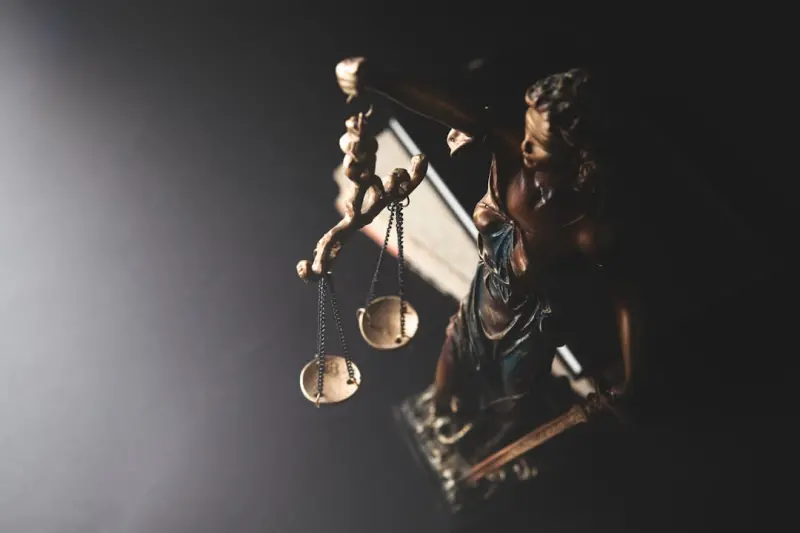
As digital footprints become the new fingerprints, the criminal law landscape must adapt to ensure that the scales of justice remain balanced. Defense attorneys, prosecutors, judges, and policymakers share a collective responsibility: to scrutinize every byte, question every assumption, and protect the fundamental principle that a defendant is innocent until proven guilty—especially when the evidence is as mutable as the technology that creates it.

Related Posts
Bail Reform and the Future of Pretrial Detention
A deep dive into bail reform’s promises, challenges, and future, highlighting impacts on marginali... Read More
Restorative Justice in the Digital Age: Rebalancing Accountability and Healing
Restorative justice offers a transformative approach to criminal law, emphasizing repair, victim voi... Read More
Restorative Justice: Re‑imagining Criminal Law for Victims, Offenders, and Communities
Discover how restorative justice transforms criminal law by centering victims, rehabilitating offend... Read More
Top Posts
Balancing Employee Side Hustles with Legal Compliance: A Modern Moonlighting Playbook
Moonlighting is no longer a fringe issue. This guide breaks down the legal framework, privacy concerns, and practical steps to develop a balanced side‑hustle ...Read More

Brand Mascot Trademark Strategies for Modern Brands
Learn a step‑by‑step playbook to turn your brand mascot into a legally fortified asset—covering distinctiveness, global filings, enforcement, licensing, a...Read More

SEO as a Customer‑Success Engine: Turning Search Data into Product Loyalty
Discover a fresh approach to SEO that treats search queries as real‑time customer insights, feeding directly into product decisions and driving higher adoptio...Read More

Data‑Driven Deterrence: Reimagining Impaired Driving Prevention
A deep dive into the emerging data‑centric strategies—wearables, telematics, and proactive policies—that are transforming how businesses and regulators ta...Read More
0 Comments
Post Comment
You will need to Login or Register to comment on this post!