
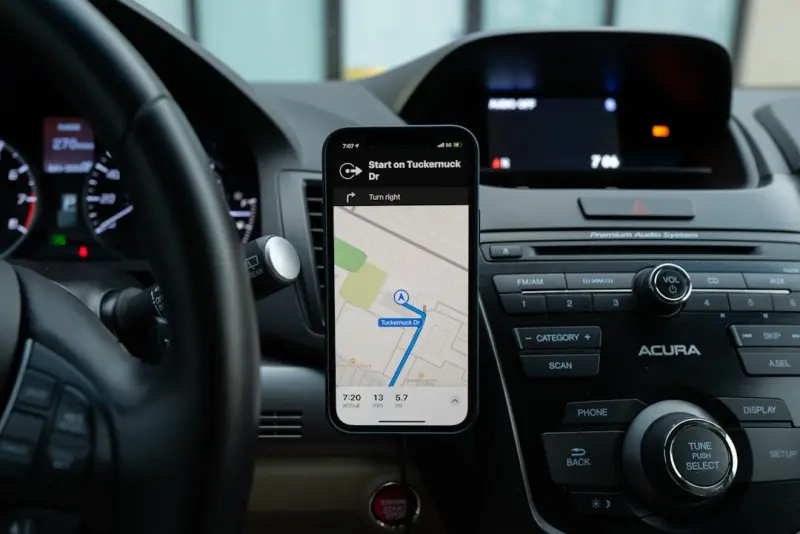
Why Connected Cars Are the New Legal Frontier
Every modern vehicle now talks—sending telemetry, location, and driver behavior to the cloud in real time. This flood of connected car data offers unprecedented safety benefits, yet it also creates a tangled web of privacy, consent, and liability questions that courts have yet to untangle. As an automotive lawyer who has watched the industry evolve from raw metal to software‑driven platforms, I see a critical need for drivers, manufacturers, and insurers to understand the emerging legal terrain before a single byte becomes a courtroom battleground.
The Data Goldmine Inside Your Dashboard
The sensors embedded in today’s cars record everything from brake pressure to voice commands, compiling a digital chronicle of every mile you drive. When a crash occurs, these logs can serve as the most reliable evidence—far more objective than eyewitness testimony or even black‑box recordings in airplanes. That’s why the digital evidence movement is gaining momentum, and why manufacturers are beginning to monetize the data streams they control.
Privacy Laws Are Shifting Under the Hood
Historically, automotive privacy concerns were limited to basic VIN disclosures, but the rise of telematics has forced legislators to adapt. The European Union’s GDPR and California’s CCPA have already set precedents, demanding clear consent before a vehicle’s data can be shared with third parties. In the United States, a patchwork of state statutes is emerging, each interpreting “personal data” in slightly different ways, leaving drivers to navigate a maze of disclosures that often appear in fine print.
Manufacturer vs. Owner Liability: Who’s at Fault?
When a vehicle’s software fails to warn a driver of an imminent hazard, the question of fault can be bewildering. Is the automaker liable for a defect in the code, or does the owner bear responsibility for neglecting software updates? Courts are beginning to apply product liability doctrines to code, but the line between a faulty algorithm and user error remains blurry. This ambiguity can leave victims without clear recourse, prompting many to seek contractual remedies in purchase agreements.
Insurance Implications of Real‑Time Data
Usage‑based insurance (UBI) programs already reward safe drivers with lower premiums, but the granular data they collect also opens doors for discrimination. Insurers can now adjust rates based on time of day, route popularity, and even the driver’s emotional state inferred from voice analysis. While this can incentivize safer habits, it also raises concerns about privacy erosion and the potential for “data‑driven redlining” where certain neighborhoods face higher rates due to aggregated risk profiles.
Consumer Consent: The Fine Print Dilemma
Most drivers sign a standard “terms of service” agreement when they first connect their vehicle to a manufacturer’s app, yet few truly read the clauses that grant sweeping data rights. These agreements often bundle essential services—like navigation and remote start—with consent to share data with third‑party advertisers. As a lawyer, I advise clients to demand transparent, opt‑in mechanisms that separate core vehicle functionality from marketing data collection.
Regulatory Landscape: Federal and State Intersections
The National Highway Traffic Safety Administration (NHTSA) has issued guidelines for over‑the‑air (OTA) updates, but it lacks enforceable privacy rules specific to automotive data. Meanwhile, state legislatures are crafting bills that require manufacturers to provide owners with a “data download” option, akin to the right to access personal data under GDPR. This regulatory patchwork creates compliance challenges for manufacturers operating nationally, prompting many to adopt the most stringent standards as a baseline.
Future Trends: Autonomous Vehicles and Beyond
Fully autonomous vehicles will amplify current data concerns, as decision‑making will rely entirely on AI algorithms trained on massive datasets. In such scenarios, liability may shift from human drivers to software developers, raising novel questions about intellectual property, algorithmic bias, and the duty of care owed by AI creators. Anticipating these shifts, forward‑thinking firms are already drafting contracts that allocate risk between automakers, software providers, and end users.
Practical Takeaways for Drivers and Industry Stakeholders
First, read every consent form your vehicle presents and request a clear data‑sharing policy from the manufacturer. Second, maintain a record of all software updates and OTA patches, as they can become crucial evidence in dispute resolution. Third, consider consulting an attorney familiar with ride‑sharing driver agreements if you participate in mobility platforms, since the same data‑privacy issues often apply. By staying informed and proactive, you can protect both your privacy and your legal rights in this rapidly evolving automotive landscape.

Allison Jarvis is a dynamic digital media and marketing professional dedicated to driving brand growth through impactful storytelling. With a sharp eye for market trends and a passion for data-driven strategies, she specializes in building cohesive online identities that resonate with modern audiences. Allison blends creative content production with robust analytics to maximize engagement and deliver measurable ROI. She continuously explores emerging digital tools to keep her projects ahead of the curve.
Related Posts

Why the Road to Legal Clarity Is Getting Bumpy (And How to Stay Ahead)
Automotive law is accelerating into uncharted territory. From self‑driving cars to climate‑linke... Read More

The Rise of Car Subscription Services: Legal Pitfalls and Consumer Protections
Car subscriptions promise flexibility, but hidden fees, liability issues, and privacy concerns can t... Read More

Revving Up the Legal Landscape: 2024 Automotive Law Trends You Can’t Ignore
Steven McClurry breaks down the hottest automotive law trends of 2024, from electric vehicle liabili... Read More
Top Posts

Employment Law in 2024: Margaret Strawbridge’s Inside Look at the Shifting Workplace Landscape
Margaret Strawbridge unpacks 2024’s employment‑law upheaval, covering remote‑work policies, AI bias, gig‑worker classification, and practical steps for ...Read More

Navigating the Digital Frontier of Criminal Law
A deep dive into how tech innovations like AI, surveillance, and cybercrime are redefining criminal law, offering insights and actionable advice for practitione...Read More
Parametric Insurance: The New Frontier of Weather‑Triggered Coverage
Parametric insurance offers rapid, data‑driven payouts for weather events, but its rise brings fresh legal complexities—from trigger definitions and bad‑f...Read More

When Drone Deliveries Turn Into Dangerous Operations
Drone delivery promises speed but hides complex safety, cyber, and regulatory risks. This article unpacks those dangers and offers a roadmap for SaaS platforms ...Read More
0 Comments
Post Comment
You will need to Login or Register to comment on this post!