
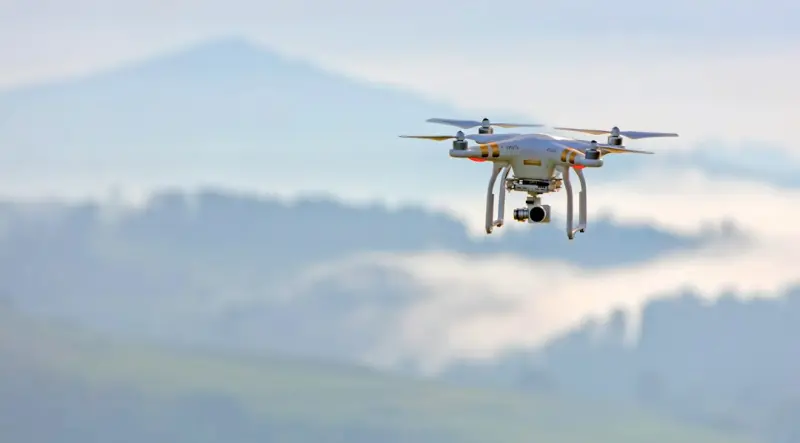
When Drone Deliveries Turn Into Dangerous Operations
Imagine a city skyline dotted with buzzing silhouettes, each one a tiny courier on a mission to drop a package at your doorstep. It sounds like a scene from a futuristic film, but for many SaaS platforms today, it’s the new reality. The promise of instantaneous delivery is intoxicating for founders and investors alike. Yet, beneath the glossy veneer of speed and efficiency lies a web of operational hazards that can quickly turn a benign drone flight into a dangerous operation with legal, financial, and reputational fallout.
In my ten years steering risk and compliance for high‑growth SaaS firms, I’ve watched technology evolve faster than the regulations that are supposed to govern it. The drone ecosystem is a perfect case study of that mismatch. From software glitches that miscalculate altitude to malicious actors hijacking fleets, the spectrum of danger is wide—and often invisible until it erupts.
The Silent Threats Lurking in the Firmware
Most drone operators think the biggest risk is a “crash.” While that’s a legitimate concern, the more insidious danger is software‑level failure. Firmware updates are pushed regularly to improve navigation, battery life, and payload handling. However, a single bug in a line of code can cause a cascade: a misread GPS coordinate, an unintended speed surge, or a failure to recognize no‑fly zones. When a fleet of drones shares the same firmware, the impact multiplies exponentially.
One anecdote that still haunts me involved a logistics startup that rolled out a “smart‑landing” patch across its entire fleet. Within minutes of activation, dozens of drones began descending in a coordinated pattern that intersected with a public park. The result? A swarm of drones tangled in trees, a startled crowd, and a media frenzy labeling the company “reckless.” The incident forced the startup to halt operations for weeks while they rewrote the code, re‑tested, and rebuilt trust with regulators.
Cyber‑Physical Attacks: When Hackers Play Pilot
Drone fleets are essentially moving computers. Their command‑and‑control (C2) channels are prime targets for cyber‑criminals looking to weaponize technology. A successful intrusion can divert a drone to a rival’s warehouse, steal high‑value cargo, or even use the drone as a platform for aerial surveillance—violating privacy laws and exposing the operator to massive liability.
To understand the scale of this risk, consider the emerging business model of Crime‑as‑a‑Service. Subscription‑style kits are being sold on dark web forums that bundle everything needed to hijack IoT devices, including drones. These kits provide pre‑written exploits, back‑door access credentials, and even “flight‑path generators” that can be programmed to avoid detection. For a SaaS platform that aggregates drone telemetry, the line between a technical glitch and a malicious act can blur, making incident response a nightmare.
The Regulatory Quicksand
Governments worldwide are scrambling to codify drone safety standards, but the patchwork nature of these rules creates a compliance minefield. In the United States, the FAA’s Part 107 regulations dictate altitude limits, visual line‑of‑sight requirements, and operator certification. In Europe, the EU Drone Regulation adds layers of risk assessments, mandatory insurance, and geofencing mandates.
What complicates matters further is that many SaaS platforms operate across borders, using a single codebase to control fleets in multiple jurisdictions. A feature that is perfectly legal in one country could be a violation in another, exposing the company to fines, forced service shutdowns, or even criminal charges.
Insurance Gaps: The Unseen Cost of a Near‑Miss
Traditional insurance policies for logistics rarely cover the nuanced risks associated with autonomous aerial delivery. Many providers still view drones as “experimental,” offering only limited coverage for property damage but not for bodily injury, data breach, or regulatory penalties. This gap is especially dangerous for SaaS firms that monetize data collected from each flight—such as route analytics, package weight, and delivery timestamps.
When an incident occurs, insurers often invoke “act of God” or “force majeure” clauses to deny claims, leaving the operator to shoulder the full financial burden. Companies that have invested heavily in proprietary AI models for route optimization find themselves facing lawsuits not just for physical damage but for the loss of proprietary data, which can be deemed “trade secrets.”
Human Factors: The Operator’s Blind Spot
Even with fully autonomous drones, human oversight remains essential. Operators monitor fleet health, respond to alerts, and intervene when anomalies arise. However, fatigue, inadequate training, and cognitive overload can lead to delayed reactions. A study from a leading aerospace university found that operators monitoring more than ten simultaneous drone feeds experienced a 30% increase in missed alerts after just 45 minutes of continuous observation.
This human element also introduces the risk of “confirmation bias.” If an operator has repeatedly seen a particular sensor read as “normal,” they may dismiss subtle deviations that signal an impending failure. The result can be a catastrophic loss of control that could have been avoided with better UI design and alert prioritization.
Data Privacy Meets Aerial Delivery
Every drone flight generates a treasure trove of data: high‑resolution images, video streams, and even acoustic signatures. While this data powers the sophisticated analytics SaaS platforms tout, it also raises profound privacy concerns. In densely populated areas, a drone’s camera can inadvertently capture faces, license plates, and private property details. Under GDPR, the EU’s e‑privacy rules, and various state laws in the U.S., such inadvertent collection can trigger hefty fines.
Moreover, data residency rules may prohibit storing footage on servers located outside the country where the drone operates. SaaS providers must therefore implement geo‑fencing not just for flight paths but also for data pipelines—a complexity many overlook until a regulator knocks on the door.
Strategic Mitigation: Building Resilience into the Skies
Given the multifaceted dangers, what can SaaS leaders do to safeguard their drone operations? Below are practical steps drawn from my experience consulting with both startups and Fortune‑500 enterprises.
- Layered Security Architecture: Deploy zero‑trust principles to the C2 link. Use mutual TLS, rotating encryption keys, and continuous authentication for every command sent to a drone.
- Red Team Audits: Conduct regular penetration testing that specifically targets the drone’s firmware, telemetry, and ground‑station software. Treat the drone as an “airborne endpoint” in your threat model.
- Geofencing with Real‑Time Updates: Integrate local airspace data feeds (e.g., NOTAMs) directly into the flight‑planning engine. Ensure any newly declared no‑fly zones are pushed to the fleet within seconds.
- Robust Incident Response Playbooks: Define clear escalation paths for different severity levels—ranging from minor telemetry anomalies to full‑scale hijack scenarios. Practice drills with both technical and legal teams.
- Insurance Innovation: Partner with insurers that specialize in “cyber‑physical” coverage. Negotiate policies that include liability for data breaches, regulatory fines, and third‑party bodily injury.
- Operator Training & Fatigue Management: Implement shift rotations, mandatory break periods, and AI‑driven workload balancing to keep human monitors sharp.
- Privacy‑by‑Design: Blur or redact faces and license plates at the edge—directly on the drone—before transmitting any imagery to the cloud.
- Compliance Automation: Use SaaS compliance platforms to map each flight’s jurisdictional requirements and automatically enforce the relevant constraints.
Learning from Parallel Threats
While drone delivery is a distinct domain, the lessons from other “dangerous operations” are surprisingly transferable. For example, the When Cyber Threats Meet Policy series highlighted how insurers are adapting to cover emergent cyber‑risk exposures. Similarly, the drone industry is prompting insurers to craft policies that blend traditional aviation coverage with cyber liability, creating a hybrid model that could serve as a template for other emerging tech sectors.
Another parallel can be drawn from the rise of “Crime‑as‑a‑Service.” Just as subscription‑style cybercrime lowers the barrier to entry for malicious actors, the democratization of drone technology—driven by off‑the‑shelf kits and open‑source flight controllers—creates a low‑cost entry point for weaponization. Understanding this convergence helps SaaS leaders anticipate the next wave of threats before they materialize.
Future Outlook: From Dangerous to Controlled
The trajectory of drone delivery is unmistakable: higher volumes, longer ranges, and deeper integration with e‑commerce platforms. However, the path to a safe, regulated, and trustworthy ecosystem hinges on proactive risk management. Companies that treat safety as a core product feature—not an afterthought—will not only avoid costly incidents but also gain a competitive edge in a market where trust is paramount.
In the end, the “danger” in drone operations isn’t just about falling metal or hacked firmware; it’s about the ripple effects that cascade through legal frameworks, insurance markets, and public perception. By embracing a holistic risk strategy—one that fuses technical safeguards, legal foresight, and human factors engineering—SaaS platforms can turn a potentially hazardous operation into a reliable, scalable service that reshapes the future of logistics.

Related Posts

When Production Becomes a Minefield: Managing Dangerous Operations in SaaS
A practical guide to identifying and mitigating the hidden risks of rapid SaaS deployments, from liv... Read More

When Robots Dig Deeper: Managing the Risks of Autonomous Mining
A deep dive into the legal and safety complexities of autonomous mining, offering practical strategi... Read More
High‑Stakes Automation: Managing the Hidden Risks of Self‑Optimizing Systems
Self‑optimizing algorithms promise efficiency but hide safety trade‑offs. This post outlines leg... Read More
Top Posts

Navigating the New Frontiers of Insurance Law: From Cyber Threats to Climate‑Driven Policies
A deep dive into the latest challenges facing insurance law—cyber risk, climate‑driven policies, and emerging regulatory trends—offered from a seasoned pr...Read More

Beyond the Ring: Cohabitation Agreements as Modern Legal Safeguards
Cohabitation agreements are emerging as vital tools for couples who share lives without marriage, offering protection for assets, debts, digital holdings, and p...Read More
Why SaaS Leaders Must Rethink Their Cyber Insurance Policies
Cyber‑insurance isn’t a set‑and‑forget solution for SaaS companies. This post uncovers hidden exclusions, regulatory overlaps, and practical steps to en...Read More

Unpacking the SaaS Tax Maze: Nexus, Remote Teams, and Subscription Pricing
A deep dive into the evolving tax landscape for SaaS companies, covering nexus rules, international withholding, pricing complexities, and how privacy‑by‑de...Read More
0 Comments
Post Comment
You will need to Login or Register to comment on this post!