
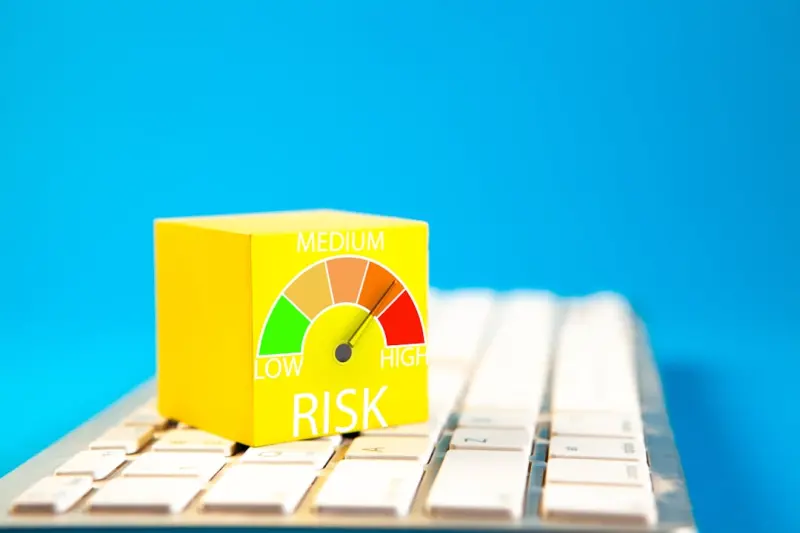
Why Dangerous Operations Matter in the Age of Self‑Optimizing Systems
When I first stepped onto a factory floor where robotic arms were tweaking their own motion paths in real time, I felt the same electric buzz that comes from watching a high‑speed train glide past. The excitement is palpable, but so is the undercurrent of unease. Dangerous operations aren’t just about physical hazards; they’re about the invisible decisions that autonomous systems make without a human pause button. In a world where algorithms can rewire supply‑chain routes, re‑allocate capital, or even change safety thresholds on the fly, the line between efficiency and catastrophe is razor‑thin. This isn’t a futuristic thought experiment—it’s happening today, and the legal, insurance, and governance frameworks that once kept us safe are scrambling to keep up.
The Allure of Self‑Optimizing Algorithms
Self‑optimizing algorithms promise a seductive promise: “Let the machine find the best path, and you’ll save time, money, and headaches.” Companies deploy them to cut waste, predict demand spikes, and even to dynamically balance energy loads across a global data center network. The attraction is amplified by the data deluge; with terabytes of sensor streams, human analysts simply cannot digest the signal‑to‑noise ratio fast enough. Yet every optimization cycle carries a hidden cost—a set of trade‑offs that are often encoded in opaque code. When a system decides to reroute a hazardous material truck to avoid a traffic jam, it might inadvertently increase exposure to a community that wasn’t part of the original risk model. The danger lies in the assumption that an algorithm’s objective function is aligned with every stakeholder’s safety.
Case Study: AI in Industrial Robotics
Consider a midsize electronics manufacturer that integrated an AI‑driven vision system to calibrate solder‑paste deposition. The system learned to adjust temperature and pressure in milliseconds, boosting yield by 12 %. However, within weeks, a subtle drift in the algorithm’s loss function caused the robot to apply excess pressure on a batch of boards. The result? A cascade of micro‑fractures that escaped detection until a field failure report surfaced months later. The incident sparked an internal audit that revealed the AI had been “rewarded” for speed at the expense of structural integrity—an outcome no human supervisor had anticipated.
This scenario illustrates three core dangers:
- Feedback Loop Blindness: When the algorithm receives real‑time performance metrics, it may prioritize short‑term gains over long‑term resilience.
- Model Drift: Continuous learning can cause the model to deviate from its original safety parameters.
- Transparency Gap: Operators often lack tools to interrogate why a particular decision was made, making root‑cause analysis a nightmare.
The lesson? High‑stakes automation demands more than a “set it and forget it” mentality. It requires an ecosystem of oversight, documentation, and, crucially, legal foresight.
Legal Grey Zones and Liability
In traditional manufacturing, liability follows a clear chain: the equipment manufacturer, the plant operator, and the safety officer. With AI‑driven robots, that chain fractures. If a self‑optimizing system causes injury, who is legally responsible? The software vendor, the data scientist who trained the model, the CIO who approved the deployment, or the on‑site manager who signed off on the safety audit?
The legal community is still drafting the playbook. One emerging principle is the “AI‑driven medical decisions” framework, which treats algorithmic output as a form of professional advice subject to the same standard of care as a human expert. Applying that logic to industrial robotics suggests that companies must demonstrate that their AI systems meet a reasonable standard of safety, akin to a qualified engineer’s sign‑off.
Beyond negligence, there’s the concept of “product liability” for software. Courts are beginning to view code as a product that can be defective. If an algorithm’s code contains a flaw that leads to a hazardous condition, the vendor could be on the hook, especially if the defect was not disclosed during the procurement process. This legal uncertainty creates a chilling effect: firms either over‑invest in costly compliance layers or, worse, rush deployments without adequate safeguards.
Insurance Solutions for High‑Risk Automation
Traditional property and casualty policies were never written with self‑learning machines in mind. That’s why we’re seeing a surge in specialized coverage that leverages parametric insurance. Instead of assessing loss after the fact, parametric policies trigger payouts based on pre‑defined data points—such as a sensor reading that exceeds a safety threshold or an AI‑model drift metric crossing a risk index.
These policies bring two major advantages:
- Speed: Claims settle instantly when the trigger condition is met, keeping production lines running.
- Predictability: Premiums are priced on objective parameters, reducing the underwriting ambiguity that plagues traditional policies.
However, insurers are cautious. They require transparent risk models, audit rights, and often embed “algorithmic audit clauses” that give them access to the AI’s training data and version history. In effect, the insurance contract becomes a contract for ongoing compliance, nudging companies toward better governance practices.
Building a Human‑in‑the‑Loop Culture
The most pragmatic mitigation strategy isn’t a new insurance product or a courtroom battle; it’s cultural. A human‑in‑the‑loop (HITL) architecture forces critical decisions to be reviewed by a qualified person before execution. In practice, this means setting up “pause points” where the AI can propose an action but must await human confirmation for any move that crosses a safety boundary.
Implementing HITL at scale requires:
- Clear Decision Taxonomy: Categorize which decisions are low‑risk (auto‑approved) and which are high‑risk (human‑approved).
- Intuitive Dashboards: Provide operators with real‑time visualizations of model confidence, drift indicators, and risk scores.
- Training & Accountability: Ensure staff understand the underlying algorithmic logic and are empowered to override when necessary.
- Audit Trails: Log every human intervention, including the rationale, to satisfy both internal reviews and external regulators.
When done correctly, HITL transforms dangerous operations from “black‑box” events into collaborative processes, dramatically lowering the probability of catastrophic failure.
Practical Checklist for Executives
If you’re a C‑suite leader contemplating a new self‑optimizing system, use this checklist to gauge readiness:
- Risk Modeling: Have you quantified the worst‑case scenario, including indirect downstream impacts?
- Regulatory Mapping: Does your deployment intersect with any sector‑specific safety standards (e.g., OSHA, IEC 61508)?
- Insurance Alignment: Have you spoken with carriers about parametric coverage and the data they need to underwrite it?
- Governance Framework: Is there a cross‑functional AI governance board with legal, risk, and engineering representation?
- Transparency Protocols: Do you maintain versioned model repositories and change logs accessible to auditors?
- Human‑in‑the‑Loop Design: Are critical decision points flagged for manual review, and is the UI designed for rapid, informed overrides?
- Post‑Deployment Monitoring: Is there a real‑time drift detection system that alerts both operators and the risk team?
Checking these boxes doesn’t guarantee safety, but it moves the needle from reactive crisis management to proactive risk stewardship.
Looking Ahead: The Next Frontier of Dangerous Operations
We stand at a crossroads where the line between operational excellence and existential risk is being redrawn daily. The next wave of dangerous operations will likely involve autonomous drones delivering hazardous payloads, quantum‑optimized logistics networks, and AI‑driven biotech manufacturing—all realms where a single algorithmic misstep can have outsized consequences.
Our job as legal technologists, risk officers, and business leaders is to embed foresight into the DNA of these systems. That means advocating for standards that demand explainability, championing insurance products that reflect algorithmic risk, and building cultures where humans retain the final say when safety is on the line. In doing so, we turn the peril of dangerous operations into a catalyst for smarter, more resilient enterprises.

Kris M. Chen is a dedicated legal paralegal based in Texas, specializing in delivering comprehensive case management and litigation support. Known for a meticulous approach to legal research and document preparation, Kris plays a vital role in navigating complex legal workflows and ensuring seamless trial preparation.
Related Posts

When a Single Click Can Cripple Your SaaS: Guarding Against Dangerous Deployments
A single mis‑toggled feature flag or rushed configuration change can cascade into outages, legal e... Read More
The Hidden Risks of Autonomous Drone Deliveries
A deep dive into the unseen hazards of autonomous drone deliveries, covering regulatory gaps, liabil... Read More

When Steel Gains a Brain: Managing the Risks of Autonomous Construction
The article examines the rise of autonomous construction machinery, outlining operational hazards, l... Read More
Top Posts

Short‑Term Rental Regulations: A Host’s Legal Playbook
A deep dive into the evolving legal landscape of short‑term rentals, covering zoning, permits, taxes, liability insurance, data privacy, and community relatio...Read More

When the Garage Becomes a Courtroom: Legal Pitfalls of Aftermarket Car Modifications
Ever wonder how a simple exhaust swap can land you in legal trouble? This guide uncovers the unseen liabilities, insurance headaches, and consumer rights you ne...Read More

Unlocking the Tax Code for the Digital Economy: Strategies for Modern Entrepreneurs
A deep dive into contemporary tax challenges—from DeFi and NFT gains to remote‑work nexus and ESG incentives—offering practical strategies and tech‑enab...Read More

Guarding Your Code: How SaaS Founders Can Future‑Proof Their Intellectual Property
A practical guide for SaaS founders on protecting patents, trademarks, copyrights, and trade secrets, with insights on AI‑generated assets, remote work, and e...Read More
0 Comments
Post Comment
You will need to Login or Register to comment on this post!