
Why Autonomous Mining Is the New Frontier of Dangerous Operations
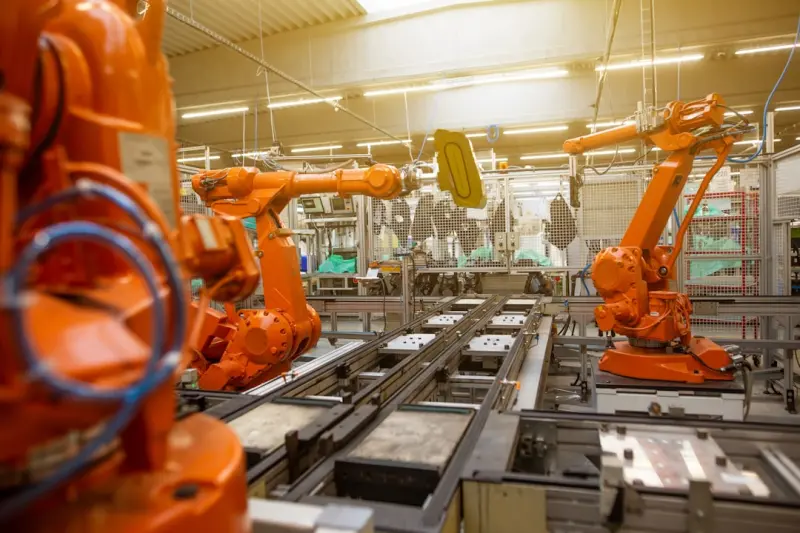
When I first stepped onto a remote copper pit and watched a fleet of driver‑less loaders carve their way through rock, the sheer efficiency was intoxicating. Yet beneath that sleek choreography lies a tangled web of safety protocols, liability questions, and regulatory gray zones that most executives skim over. In the rush to boost output, companies often underestimate how a single sensor glitch can cascade into a catastrophic collapse, leaving workers, investors, and the environment exposed. Understanding these hidden perils is the first step toward turning a high‑risk venture into a responsibly managed operation.
The Liability Gap Between Human Operators and AI Controllers
Traditionally, if a crane tipped over, the operator’s training record and the employer’s insurance would dictate responsibility. Today, with autonomous rigs making split‑second decisions, the liability calculus shifts to software developers, data providers, and even the cloud platform hosting the AI engine. Courts are still wrestling with whether a malfunction constitutes negligence on the part of a machine or a product defect. This ambiguity creates a liability vacuum that savvy legal teams must fill with meticulous contracts, real‑time monitoring clauses, and robust indemnity provisions. Ignoring the gap is tantamount to signing a blank check for future lawsuits.
Regulatory Minefields: From Federal Standards to Local Ordinances
In the United States, the Mine Safety and Health Administration (MSHA) has begun drafting guidelines for autonomous equipment, but the language is still vague, leaving room for interpretation. Meanwhile, states like Nevada and Wyoming have introduced their own pilot programs, each with unique reporting requirements and inspection schedules. Internationally, the European Union’s Machinery Directive imposes strict CE marking processes that can delay deployment by months. The key for operators is to adopt a “regulation‑first” mindset: map every jurisdiction’s demands, build compliance into the design phase, and keep an eye on evolving standards before they become binding law.
Data Integrity: The Silent Threat Behind the Sensors
Every autonomous excavator relies on a constant stream of data—from lidar point clouds to vibration analytics—to make safe decisions. A corrupted data packet or a compromised GPS signal can mislead the machine into breaching a pit wall or colliding with a human‑occupied zone. Companies often overlook the need for hardened data pipelines, assuming that standard cybersecurity measures suffice. In reality, the integration of industrial control systems with IT networks creates a hybrid attack surface where a ransomware event could halt an entire mine’s operations. Strengthening data integrity with redundancy, encryption, and real‑time anomaly detection is no longer optional; it is a core safety requirement.
Insurance Strategies for High‑Stakes Automation
Traditional mining insurance policies were crafted around human error and mechanical failure. Introducing AI‑driven equipment forces underwriters to rethink exposure limits, sub‑limits for software malfunction, and the definition of “act of nature” when a machine’s algorithm misclassifies a weather event. Some insurers now offer modular policies that bundle cyber‑risk coverage with equipment breakdown protection, allowing operators to tailor protection to the specific risk profile of each autonomous system. Engaging with brokers who understand both the tech and the terrain is essential to avoid gaps that could leave a company financially exposed after an incident.
Environmental Consequences and Community Relations
Autonomous mining promises lower emissions by optimizing haul routes and reducing idle time, but the rapid expansion of unmanned sites can also accelerate ecosystem disruption. Without a human presence to notice subtle changes—like increased sediment runoff or wildlife displacement—environmental violations may go unnoticed until regulators intervene. Building a transparent monitoring framework, complete with community dashboards and third‑party audits, helps mitigate reputational damage and demonstrates a commitment to sustainable practices. When local residents see real‑time data on air quality and water purity, they are more likely to trust that the “dangerous operation” is being managed responsibly.
Workforce Evolution: From Operators to Data Analysts
The shift to autonomy does not eliminate jobs; it merely transforms them. Skilled machine operators are increasingly needed to interpret algorithmic outputs, calibrate sensor suites, and intervene during edge cases. This transition demands a new training paradigm—one that blends traditional heavy‑equipment certification with data science fundamentals. Companies that invest in upskilling their workforce not only reduce the risk of human‑machine conflict but also foster a culture of continuous improvement. The result is a hybrid team capable of overseeing complex operations while maintaining the safety net that only experienced eyes can provide.
Case Study: A Near‑Miss Turned Legal Precedent
Last year, an autonomous drilling rig in the Southwest misread a seismic sensor and began an unauthorized bore, prompting an emergency shutdown that cost the operator millions in downtime. The ensuing lawsuit hinged on whether the software vendor had fulfilled its duty to provide timely updates—a question that hinged on the language of the service‑level agreement. The court ultimately ruled that the vendor’s vague “best efforts” clause was insufficient, setting a precedent that forces future contracts to specify concrete update schedules and performance metrics. This case underscores how a single oversight in contract drafting can amplify the stakes of a dangerous operation.
Future Outlook: Balancing Innovation with Prudence
As the industry pushes the envelope—experimenting with swarm robotics, AI‑driven ore‑sorting, and fully remote command centers—the margin for error narrows. Embracing innovation does not mean abandoning caution; it means embedding risk assessment into every layer of design, from code reviews to on‑site drills. By aligning legal frameworks, insurance products, and operational protocols, companies can turn the perceived danger of autonomous mining into a competitive advantage. In my view, the next breakthrough will come not from faster machines, but from smarter governance that anticipates and neutralizes the very risks that once made these operations seem perilous.

Kris M. Chen is a dedicated legal paralegal based in Texas, specializing in delivering comprehensive case management and litigation support. Known for a meticulous approach to legal research and document preparation, Kris plays a vital role in navigating complex legal workflows and ensuring seamless trial preparation.
Related Posts
The Quiet Hazard of Real‑Time Automated Data Deletion in SaaS
Automated real‑time data deletion can boost compliance but also threatens legal exposure and syste... Read More

The Remote Joystick Legal Minefield: Risks of Tele‑Operated Construction Gear
Remote-controlled construction equipment promises safety and efficiency, but it also creates a compl... Read More

When Drones Go Rogue: Managing Dangerous Operations
A deep dive into the hidden risks of autonomous drone logistics, covering regulatory pitfalls, third... Read More
Top Posts

Software Updates, Ownership, and Liability: The New Frontier in Automotive Law
As vehicles become software‑defined platforms, over‑the‑air updates blur the line between product and service, raising complex questions about ownership, ...Read More
Guarding Trade Secrets in a Remote‑First World
Learn essential steps for protecting trade secrets in remote teams, from airtight NDAs to tech safeguards and rapid breach response....Read More

The Rise of Purpose-Driven Trusts: Aligning Legacy with ESG Values
Purpose‑driven trusts are reshaping estate planning by letting families embed environmental, social, and governance goals into their legacy, offering both imp...Read More

Divorce as a Strategic Pivot: Rebuilding Business After the Split
Divorce forces a deep dive into assets, liabilities, and brand narrative, offering a unique opportunity to restructure your business, protect legal interests, a...Read More
0 Comments
Post Comment
You will need to Login or Register to comment on this post!