
Connected Car Data: The Legal Road Ahead
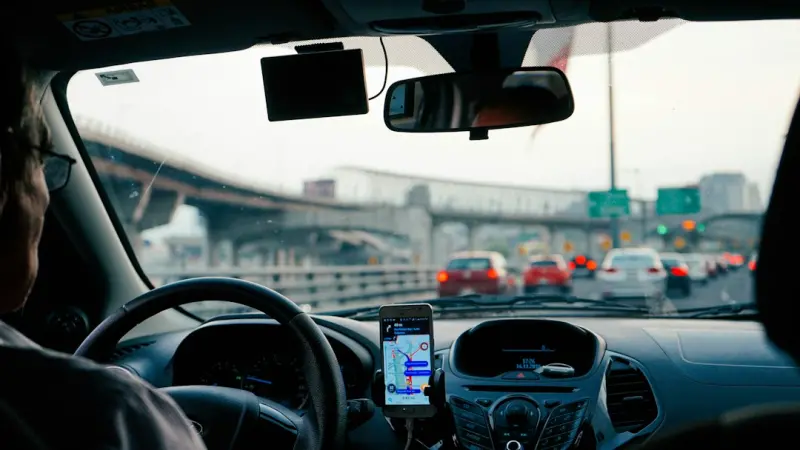
When I first got behind the wheel of a modern vehicle, the dashboard didn’t just show speed and fuel—it whispered a constant stream of data to the cloud. From predictive maintenance alerts to real‑time traffic routing, cars have become rolling data hubs. As a lawyer who spends as much time in courtrooms as I do in test drives, I’m fascinated by the collision between this digital bounty and the rules that were written for steel‑and‑glass machines.
In this post I’ll map the emerging legal terrain of connected‑car data privacy, explore how regulators are trying to keep pace, and offer practical guidance for manufacturers, service providers, and fleet operators who want to stay compliant without stifling innovation.
Why Connected‑Car Data Is a Game‑Changer
Every modern vehicle generates gigabytes of information daily. Sensors track everything from brake pressure and cabin temperature to driver eye‑movement and biometric data. This data is valuable for three main reasons:
- Safety and performance. Predictive analytics can spot a failing brake system before it becomes a hazard.
- Monetization. Insurers, advertisers, and even municipalities are eager to buy anonymized trip data.
- Consumer experience. Over‑the‑air updates, personalized infotainment, and usage‑based services keep drivers hooked.
But with great data comes great responsibility—something that the law is only beginning to articulate.
From the Highway Code to the Data Code
Traditional automotive law focused on physical safety, emissions, and liability. The software updates, ownership, and liability conversation opened the door to digital considerations, yet it barely scratched the surface of privacy. Now, data regulators are stepping in.
In the United States, the California Consumer Privacy Act (CCPA) and its successor, the California Privacy Rights Act (CPRA), treat vehicle telematics as personal information. The European Union’s General Data Protection Regulation (GDPR) already classifies location data as “special category” data, requiring explicit consent for processing. Meanwhile, the autonomous‑vehicle driver‑code debate has highlighted that a car’s “brain” is effectively a person under the law—making the privacy of its output just as critical as the safety of its decisions.
Key Legal Challenges
1. Defining the Data Owner
Who owns the data generated by a car? Is it the driver, the vehicle owner, the manufacturer, or the third‑party service that processes the data? The answer varies by jurisdiction. In some U.S. states, the driver is deemed the data subject, while in Germany the vehicle manufacturer retains a “data custodian” role. This fragmented landscape forces businesses to adopt a data‑first approach: map every data flow, label the responsible party, and embed that logic into contracts.
2. Consent Mechanisms That Don’t Kill the Experience
Obtaining meaningful consent is easier said than done when you’re asking a driver to click “Accept” on a 10‑second infotainment splash screen. Regulators require that consent be:
- Freely given, specific, informed, and unambiguous.
- Separate from other terms of service.
- Easily revocable.
Design teams are now tasked with creating “privacy‑by‑design” UI/UX that blends seamlessly with the driving experience—think voice‑activated opt‑ins and clear, on‑screen explanations that appear before a trip starts.
3. Cross‑Border Data Transfers
Cars often cross state and national borders. Data generated in one jurisdiction may be stored in a data center located in another, triggering strict transfer rules. The EU’s “Schrems II” ruling, for example, invalidated many standard contractual clauses, pushing companies to adopt binding corporate rules or rely on adequacy decisions. For manufacturers with global supply chains, the cost of compliance can be a decisive factor in where they locate their data lakes.
4. Liability for Data Breaches
When a breach occurs, who’s on the hook? If a manufacturer’s OTA (over‑the‑air) system is compromised, the liability may fall under product liability statutes, but the breach of personal data also triggers privacy law penalties—often in the millions. Recent case law in Canada shows courts willing to hold OEMs accountable for inadequate encryption, even when the breach originates from a third‑party telematics provider.
5. The “Right to be Forgotten” on the Road
Under GDPR, individuals can request the deletion of their personal data. For a moving vehicle, that raises logistical questions: Do you purge the data from the car’s local storage, from the OEM’s cloud, or both? And what about data needed for safety recalls? Balancing the right to erasure with the duty to maintain safety records is a nuanced dance that requires clear policy and technical capability.
Practical Steps for Industry Stakeholders
Below is a checklist that I’ve found useful when advising clients across the automotive ecosystem.
- Conduct a Data Inventory. Document every sensor, data type, and storage location. Use a data‑flow diagram that includes third‑party processors.
- Map Regulatory Obligations. Create a matrix matching each data element to the applicable law—CCPA, GDPR, Brazil’s LGPD, etc.
- Implement Privacy‑by‑Design. Embed consent dialogs, encryption, and anonymization at the product development stage.
- Draft Clear Contracts. Service agreements with telematics providers should allocate data‑breach liability and specify data‑retention periods.
- Establish a Data‑Subject Rights Process. Build a system that can locate, retrieve, and delete an individual’s data on demand, while preserving safety‑critical logs.
- Stay Informed on Legislative Trends. Many jurisdictions are introducing “vehicle data rights” bills that could reshape ownership and access rules.
The Business Case for Privacy
Beyond avoiding fines, strong privacy practices can become a competitive advantage. Consumers are increasingly aware of data misuse—think of the backlash when a major ride‑hailing platform was caught selling location histories. Brands that publicize transparent data policies often enjoy higher loyalty scores and lower churn.
Insurance companies are also experimenting with “privacy‑friendly” usage‑based insurance (UBI) models that give drivers granular control over what data is shared. By offering a tiered consent system, insurers can attract privacy‑concerned customers while still accessing the risk‑reducing data they need.
Future Directions: From Data to “Data‑as‑a‑Service”
Looking ahead, we’ll likely see a marketplace for vehicle data similar to the app stores we have for smartphones. Companies will be able to license anonymized traffic patterns, road‑condition feeds, or even driver‑behavior analytics. This raises fresh legal questions:
- Will data providers be considered “data controllers” under GDPR, bearing full compliance responsibility?
- How will revenue‑sharing models be structured when the data originates from a fleet of privately owned cars?
- What standards will emerge for data quality, accuracy, and timeliness?
Regulators are already drafting “data‑service” regulations for smart‑city infrastructure that could easily extend to automotive data. The sooner the industry adopts a proactive stance, the better positioned it will be to shape those rules rather than react to them.
Conclusion: Steering Toward a Safer, More Private Road
The shift from mechanical to digital has turned the automobile into a moving data platform, and the law is racing to catch up. By treating data as an integral part of the vehicle’s safety system, embracing privacy‑by‑design, and staying ahead of cross‑border compliance challenges, manufacturers and service providers can keep their wheels—and their reputations—turning smoothly.
If you’re navigating this terrain, remember that the legal roadmap is still being drawn. Keep your legal counsel close, your data maps updated, and your consent dialogs friendly. The road ahead is complex, but with the right strategy, it’s also full of opportunity.

Kris Kennel is a Paralegal outside of Austin, Texas where he spends most of his time helping users with legal matters that concern them. When he is not working he enjoys time with his wife and kids.
Related Posts

Steering the Subscription Shift: Legal Essentials for Modern Vehicle Leasing‑as‑a‑Service
Vehicle subscriptions blend leasing, insurance, and tech into a single offering, but the legal lands... Read More

The Intersection of Automotive Law and Family Law: A Complex Web of Liability
The intersection of automotive law and family law can be complex and challenging. Learn how to navig... Read More

When Your New Car Becomes a Lemon: A Practical Guide to Automotive Law
A step‑by‑step guide to navigating lemon laws, from documentation to avoiding arbitration traps,... Read More
Top Posts

SEO in 2024: Kris Kennel’s Playbook for Ranking Legal Content
Kris Kennel breaks down the 2024 SEO landscape for legal sites, covering authority, AI content, schema markup, and mobile‑first tactics that boost rankings an...Read More

Why the Right to Repair Is a Legal Game‑Changer for Consumers
Discover why the right to repair is more than a DIY trend, how new laws protect consumers, and what it means for manufacturers and the future of product ownersh...Read More
Zero‑Click SEO: Winning the SERP When Users Never Click
Discover the strategies that let you capture top SERP real estate—featured snippets, knowledge panels, and voice answers—so your brand shines even when user...Read More

The Tech Revolution in Law: How AI, Data, and Consumer Power Are Redefining Practice
A deep dive into the digital transformation of law, examining AI’s impact, consumer empowerment, and the ethical challenges reshaping modern legal practice....Read More
0 Comments
Post Comment
You will need to Login or Register to comment on this post!