
Why Your Car’s Data Is the New Legal Frontier
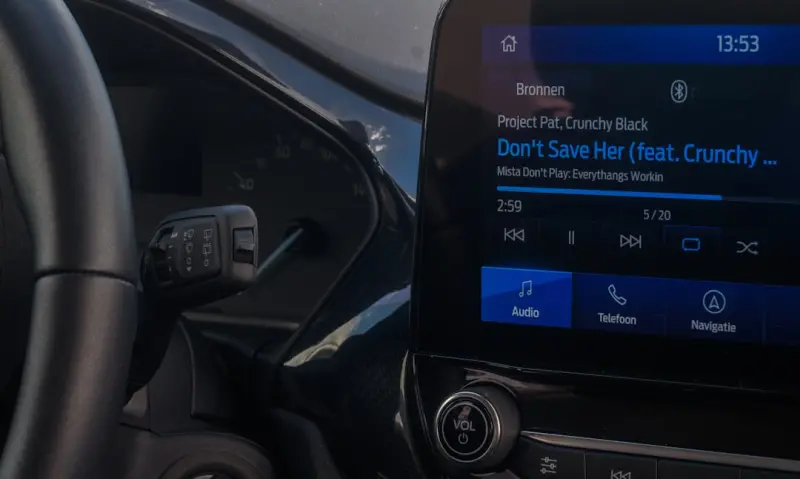
When you slide behind the wheel of a modern vehicle, you’re not just starting an engine—you’re plugging into a sophisticated network that tracks mileage, location, driver behavior, and even biometric cues. Connected‑car technology has turned automobiles into rolling data hubs, and that transformation has outpaced the statutes that were written for steel and gasoline. As a lawyer who has spent years untangling the knot between consumer rights and emerging tech, I see a growing clash between manufacturers’ desire to monetize data and drivers’ expectations of privacy. The question isn’t just “who collects the data?” but “who truly owns it, and who can be held liable when that data is misused or breached?” This dilemma is reshaping contract negotiations, warranty disclosures, and even the way insurers calculate risk, creating a legal landscape that demands new doctrines and clearer regulatory guidance.
The Consent Conundrum: Contracts, Click‑Throughs, and Real‑World Implications
Manufacturers often hide data‑collection clauses deep within the fine print of purchase agreements, relying on click‑through consent that most buyers skim without a second thought. From a legal standpoint, the enforceability of such clauses hinges on whether the consent is truly informed—a standard that courts are still defining for digital ecosystems. In practice, I’ve watched consumers sign away their rights to location tracking while believing they’re merely approving a navigation update. The result? A patchwork of obligations where drivers may inadvertently waive protections against third‑party data sharing, yet still retain a reasonable expectation of privacy under emerging state statutes. As the regulatory tide rises, legislators are drafting “data‑ownership” provisions that could force manufacturers to provide clear opt‑out mechanisms, transparent usage summaries, and even compensation for unauthorized exploitation of driver data.
Case Study: When Data Breaches Turn Into Liability Nightmares
Consider a recent breach where a leading EV brand’s cloud server exposed the driving histories of thousands of owners, revealing patterns that could be used for discrimination or targeted fraud. Victims sued on grounds of negligence and breach of contract, arguing that the automaker failed to implement reasonable cybersecurity safeguards. Courts are now grappling with whether existing product liability doctrines apply to software‑driven data leaks, or if a new “information‑privacy” cause of action is required. In my practice, I advise clients to demand robust data‑security clauses in purchase contracts, specifying encryption standards, incident‑response timelines, and clear pathways for remedial action. Such proactive language not only shields manufacturers from costly litigation but also empowers consumers with enforceable rights when their digital footprints are compromised.
Insurance Implications: From Usage‑Based Policies to Data‑Driven Disputes
Insurance companies have been quick to capitalize on telematics, offering usage‑based premiums that reward safe driving habits captured by onboard sensors. While this seems like a win‑win, the legal ramifications are anything but straightforward. If an insurer adjusts rates based on data that was collected without explicit consent, policyholders may allege violations of privacy statutes or unfair trade practices. Moreover, when a claim is denied because the data suggests driver negligence, the burden shifts to the consumer to prove the accuracy and context of that data. I’ve seen disputes where drivers challenge the legitimacy of raw sensor readings, arguing that environmental factors or sensor errors were not considered. The emerging consensus is that insurers must provide transparent methodologies, allow for data verification, and honor the contractual terms that govern data use—otherwise they risk regulatory penalties and class‑action lawsuits.
Linking the Conversation: Learn from Related Consumer Protections
For readers interested in how other automotive‑related services navigate legal pitfalls, the discussion around car subscription services offers valuable parallels. Those models also hinge on data collection and consumer consent, highlighting the broader trend of mobility providers grappling with privacy obligations. Additionally, insights from the article on bad‑faith claims illustrate how insurers can overstep, reinforcing the need for clear, good‑faith data practices across the automotive ecosystem.
Future‑Proofing Contracts: Drafting for the Unknown
Given the rapid pace of innovation—from over‑the‑air software updates to AI‑driven predictive maintenance—contracts must be drafted with flexibility in mind. I recommend incorporating “future‑tech” clauses that define data ownership, outline permissible uses, and establish mechanisms for renegotiation as new functionalities emerge. Such provisions can mitigate the risk of contractual obsolescence, ensuring that both manufacturers and owners retain control over evolving data streams. Importantly, these clauses should reference applicable state privacy statutes, federal guidelines, and industry standards, creating a multi‑layered defense against future litigation. By embedding clear, forward‑looking language, lawyers can protect clients from the legal fallout that inevitably follows technological breakthroughs.
Regulatory Outlook: From State Bills to Federal Guidance
Across the country, legislators are introducing bills that specifically address connected‑car data, ranging from mandatory data‑access portals for owners to caps on the resale of anonymized driving information. While the federal government has yet to issue comprehensive guidance, agencies like the NHTSA are beginning to draft policy frameworks that intersect safety standards with data privacy. As these regulatory efforts coalesce, the legal community will need to stay vigilant, interpreting how new statutes intersect with existing consumer‑protection and contract law. For practitioners, the key is to monitor legislative developments, advise clients on compliance pathways, and proactively adjust contractual language to align with the latest regulatory expectations.
Practical Steps for Drivers: Knowing Your Rights and Protecting Your Data
Even if you’re not a lawyer, you can take concrete steps to safeguard your vehicle’s data. Start by reviewing the privacy policy and data‑sharing disclosures provided at purchase or lease signing—don’t assume “standard terms” means “standard protection.” Ask for a clear opt‑out option for non‑essential data collection, and keep a record of any consent you give. Regularly check for software updates, but verify that they don’t introduce new data‑collection features without your approval. Finally, consider consulting a legal professional if you suspect a breach or feel your rights have been infringed; early intervention can preserve evidence and strengthen any potential claim.
Conclusion: Steering Toward a Balanced Legal Landscape
The convergence of automotive engineering and data science is reshaping the very definition of what it means to own a car. As we navigate this terrain, the law must evolve to balance innovation with individual privacy, ensuring that drivers remain the masters of their own digital footprints. By drafting precise contracts, demanding transparency from insurers, and staying ahead of regulatory shifts, both consumers and industry players can chart a course that respects privacy while embracing the benefits of connected technology. The road ahead may be complex, but with thoughtful legal strategies, we can drive toward a future where data empowerment and consumer protection travel hand in hand.

Allison Jarvis is a dynamic digital media and marketing professional dedicated to driving brand growth through impactful storytelling. With a sharp eye for market trends and a passion for data-driven strategies, she specializes in building cohesive online identities that resonate with modern audiences. Allison blends creative content production with robust analytics to maximize engagement and deliver measurable ROI. She continuously explores emerging digital tools to keep her projects ahead of the curve.
Related Posts
The Hidden Legal Pitfalls of Autonomous Ride‑Sharing Fleets
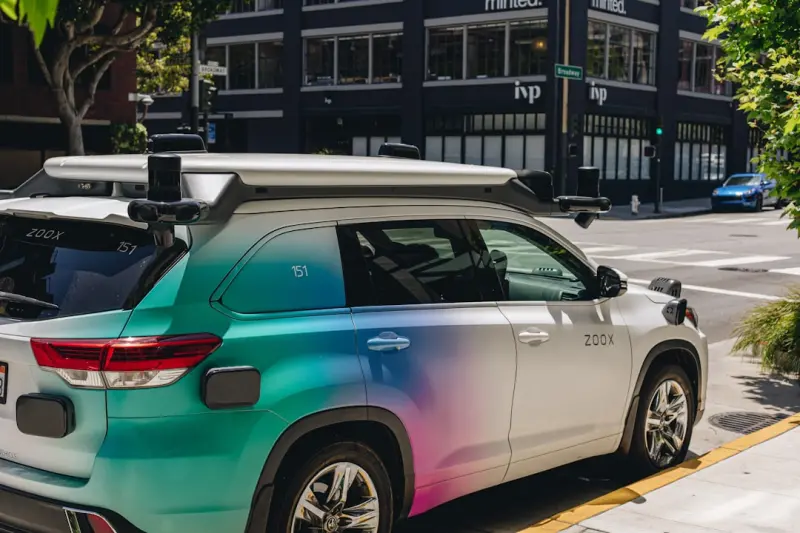
A deep dive into how autonomous ride‑sharing fleets are reshaping liability, privacy, and insuranc... Read More

Navigating the Fast‑Lane of Automotive Law in 2026: Tech, Liability, and Consumer Rights
In 2026, automotive law is being reshaped by AI, autonomous vehicles, and climate‑driven insurance... Read More

Battery Leasing, Warranty Loopholes, and the Rise of EV Subscription Models
Battery leasing and EV subscription services are reshaping vehicle ownership, but they also introduc... Read More
Top Posts

Navigating the New Frontiers of Insurance Law: From Cyber Threats to Climate‑Driven Policies
A deep dive into the latest challenges facing insurance law—cyber risk, climate‑driven policies, and emerging regulatory trends—offered from a seasoned pr...Read More

Restorative Justice in Criminal Law: Reimagining Accountability
A deep dive into restorative justice, its principles, real‑world impacts, legal challenges, and how it could transform criminal law for victims and offenders ...Read More

SEO Mastery for Lawyers in 2024: Allison Jarvis’s Playbook
Allison Jarvis reveals the 2024 SEO playbook every law firm needs, from structured data to AI‑assisted content, ensuring your practice ranks high and converts...Read More

When Workplace Surveillance Meets Employee Privacy: A Legal Deep Dive
A comprehensive look at how AI‑driven surveillance is reshaping employment law, what workers can demand, and how businesses can stay compliant....Read More
0 Comments
Post Comment
You will need to Login or Register to comment on this post!