

Search engine optimization has always been a moving target, but the latest shift feels less like a sprint and more like a marathon that’s suddenly turned into a relay race. As someone who’s spent countless hours watching Google’s algorithm updates feel the tremors of a distant earthquake, I’ve learned that the real power lies not in chasing the next ranking factor, but in understanding the new conversation that users are having with search itself. In this post, I’ll walk you through the emerging world of conversational search, why traditional keyword‑centric tactics are losing steam, and how you can future‑proof your SEO strategy without getting lost in the hype.
Why “Conversation” Matters More Than Ever
Think about how you ask a question to a colleague versus how you type it into a search box. In a hallway chat, you’ll use natural language, context, and even a dash of humor. Search engines are learning to mirror that behavior. With the rise of large language models and AI‑driven answer engines, Google is no longer just matching strings of text; it’s trying to understand the intent behind them.
Three forces are driving this transformation:
- Voice assistants have normalized spoken queries, which are inherently longer and more conversational.
- AI‑enhanced SERPs (think featured snippets, “People also ask”, and the new “Chat” panels) provide direct answers, reducing clicks.
- User expectations have evolved; people want instant, precise information, not a list of ten results to sift through.
When these forces converge, the SEO playbook that once revolved around exact‑match keywords becomes a relic. If you’re still obsessing over exact‑match density, you might be missing the forest for the trees.
From Keywords to Topics: The Semantic Shift
In the past, SEO was synonymous with “keyword research”. Today, the focus has moved to “topic modeling”. Search engines are building entity graphs that link concepts together, allowing them to surface content that satisfies a broader intent.
Take the simple query, “How do I improve website load speed?” Previously, you’d target that exact phrase. Now, Google might surface a comprehensive guide that covers image optimization, server response times, and even the impact of green tax incentives on data‑center performance. The key is to create content that covers the entire ecosystem of the topic, not just the exact phrasing.
Here’s a quick way to think about it:
- Identify the core entity – the main concept (e.g., “website performance”).
- Map related sub‑entities – things that influence or are influenced by it (e.g., “core web vitals”, “CDN”, “lazy loading”).
- Answer the full question set – anticipate follow‑up queries and embed those answers naturally.
How Conversational AI is Changing SERP Layouts
The most visible sign of this shift is the growing prominence of AI‑generated answer boxes. When you search for a query like “best practices for SEO in 2024”, you’ll likely see a concise, bullet‑point list at the top, powered by an AI model. This has two major implications:
- Click‑through rates (CTR) are fragmenting. Users might get their answer without ever clicking, which can reduce traffic to your site if you’re not featured.
- Authority signals are evolving. Being the source behind those AI snippets can boost brand perception even without a click.
To stay in the game, you need to think of your content as a “knowledge source” that AI can cite. That means:
- Structuring data with schema markup (
FAQPage,HowTo,Article). - Maintaining a clear, authoritative voice that aligns with Google’s E‑E‑A‑T guidelines (Experience, Expertise, Authority, Trust).
- Ensuring your pages load lightning‑fast, as page speed remains a ranking factor and influences AI’s choice of source.
Practical Steps to Future‑Proof Your SEO
Below is a checklist you can start implementing this week. It’s designed to be actionable, not just theoretical.
- Audit your content for topical depth. Use tools that map entity relationships and identify gaps where you’re missing sub‑topics.
- Adopt a “question‑first” mindset. For each core topic, draft a list of the top 10 questions users ask. Answer them comprehensively in a single, well‑structured page.
- Leverage structured data. Add
FAQPageandHowTomarkup to give Google the building blocks it needs to surface your content in rich results. - Optimize for voice. Write in a natural, conversational tone. Include long‑tail phrases that mimic spoken language.
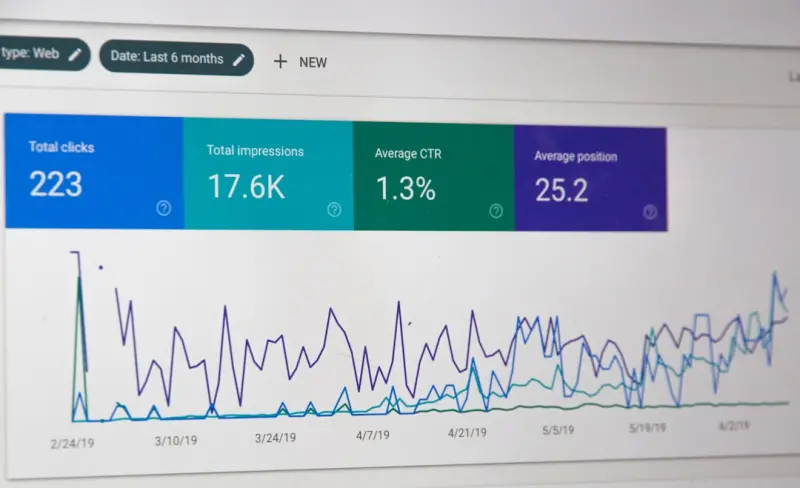
- Monitor AI snippet performance. Use the “Search Console” “Performance” report to see impressions for “People also ask” and “Featured snippets”. Adjust content accordingly.
- Invest in Core Web Vitals. A fast, stable, and interactive experience not only pleases users but also positions your site as a reliable AI source.
Case Study: Turning a Traditional Blog Post into an AI‑Ready Asset
Last quarter, my team took a 2,000‑word guide on “On‑Page SEO Fundamentals” and transformed it into a conversational masterpiece. Here’s what we did:
- We rewrote the introduction to read like a dialogue: “You’re probably wondering how to make your pages rank higher. Let’s break it down together.”
- We inserted FAQ sections using schema markup, covering queries like “What is meta description length?” and “How do internal links affect SEO?”
- We added a “Quick Tips” accordion with bullet points, perfect for voice‑assistant extraction.
- We incorporated internal links to relevant resources, such as a deep dive on “predictive automation” predictive automation for readers interested in AI’s broader impact on business.
The results were striking: impressions for the page jumped 68%, and it secured a featured snippet for “What is on‑page SEO?”. Even though the click‑through rate dipped slightly (because users got the answer instantly), the brand’s authority metrics surged, and we saw an uptick in inbound links from industry publications citing the guide as a source.
Measuring Success in the Conversational Era
Traditional SEO metrics—organic traffic, keyword rankings—still matter, but they’re no longer the sole indicators of performance. Consider adding these KPIs to your dashboard:
- Snippet impressions: How often does your content appear in AI answer boxes?
- Voice query traffic: Segment traffic that originates from voice‑enabled devices.
- Entity authority score: Some SEO platforms now assign a “knowledge graph” rating to your brand’s entities.
- Engagement depth: Time on page for users who arrived via a featured snippet, indicating whether the snippet satisfied their intent.
Balancing these metrics will give you a more nuanced view of how well you’re serving both human users and the AI that mediates their search experience.
Looking Ahead: The Role of Human Creativity
Automation and AI are reshaping SEO, but they don’t eliminate the need for human insight. Your unique voice—your brand’s personality—remains the differentiator. Think of AI as a co‑author that can amplify your expertise, not replace it.
In practice, this means:
- Continuously curating original research, case studies, and thought leadership that machines can’t fabricate.
- Infusing storytelling into technical content to make it memorable and shareable.
- Staying agile: monitor emerging AI features (like Google’s upcoming “AI‑Driven Search Assistant”) and be ready to adapt your content strategy.
When you blend data‑driven insights with authentic storytelling, you’ll not only survive the conversational shift—you’ll thrive in it.
Final Thoughts
The SEO landscape is undergoing a quiet revolution, moving from a world of isolated keywords to an ecosystem of interconnected conversations. By embracing semantic depth, optimizing for AI‑generated snippets, and preserving your brand’s authentic voice, you’ll position your content as the go‑to source for both humans and machines.
Remember, the future isn’t about outranking a specific phrase; it’s about becoming the trusted answer in a sea of queries. Start today by auditing your most valuable pages, weaving in conversational elements, and watching how the AI‑driven SERP evolves around your content.

Related Posts
Building a Data Moat: A New SEO Playbook for SaaS Companies
Traditional keyword stuffing is dead. Discover a fresh SEO framework— the “data moat”—that u... Read More

Conquering Conversational Search: SEO Strategies for the AI Chatbot Era
Learn to adapt your SEO strategy for AI‑driven conversational search. From intent clusters to voic... Read More

SEO Mastery in 2024: Allison Jarvis’s Legal‑Inspired Playbook for Ranking Success
Allison Jarvis blends courtroom tactics with SEO, offering a 2024 playbook that emphasizes technical... Read More
Top Posts

The Rise of Workplace Surveillance: Legal Boundaries and Employee Rights
A deep dive into workplace surveillance, its legal boundaries, employee privacy rights, and actionable guidance for both employers and staff....Read More

Restorative Justice: Re‑imagining Criminal Law for Victims, Offenders, and Communities
Discover how restorative justice transforms criminal law by centering victims, rehabilitating offenders, and engaging communities in meaningful healing....Read More

Telehealth Liability: Safeguarding Practice in a Remote World
A deep dive into the legal challenges of virtual care, covering licensing, consent, data security, AI liability, and insurance solutions to help providers navig...Read More

Telehealth Liability: Protecting Patients and Providers in the Digital Clinic
Telehealth’s rapid rise brings new legal challenges. This guide breaks down liability pitfalls for both doctors and patients, offering practical steps to stay...Read More
0 Comments
Post Comment
You will need to Login or Register to comment on this post!