
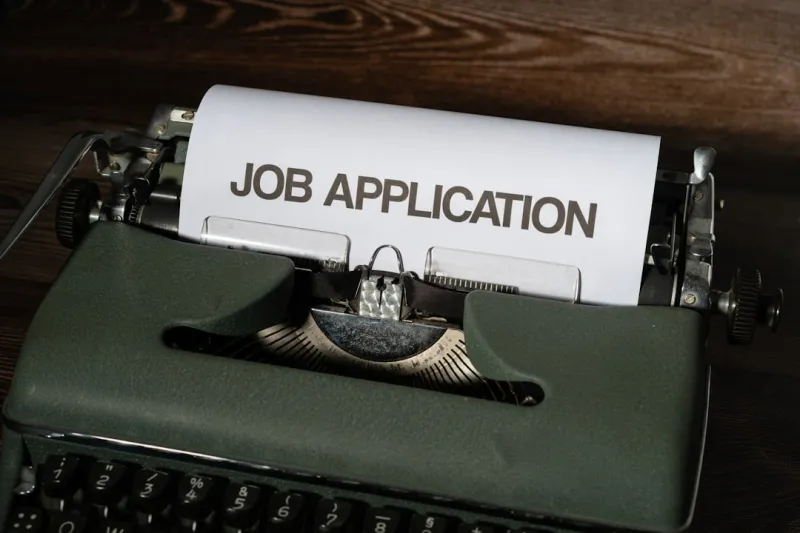
Why the Employment Landscape Is Shifting Faster Than Ever
In the past decade, the workplace has transformed from a static office cubicle to a fluid ecosystem powered by remote work, gig platforms, and AI‑driven tools. Employers now grapple with compliance across multiple jurisdictions while trying to maintain a cohesive culture, and employees demand transparency, flexibility, and digital‑first policies. This tension creates a legal tug‑of‑war where every new policy can trigger a cascade of litigation risk, forcing HR leaders to become part‑time legal strategists.
The Rise of Remote‑First Policies and Their Legal Fallout
Remote work, once a perk, has become a baseline expectation, and with that comes a maze of tax implications, wage‑hour classifications, and data‑privacy obligations that differ state‑by‑state. Companies must now consider where an employee’s “work location” is for tax purposes, which can trigger double‑taxation or unintended nexus for sales tax. Failing to navigate these nuances not only invites penalties but also erodes trust, making it essential for organizations to embed compliance into their remote‑work playbooks from day one.
Gig Economy Workers: The New Frontier of Classification Battles
Gig platforms have blurred the line between independent contractor and employee, prompting courts and regulators to revisit the classic “control test.” When a company dictates schedules, provides equipment, or imposes performance metrics, the risk of re‑classification skyrockets, exposing the business to back‑pay, benefits, and even punitive damages. Proactively redefining engagement models with clear contracts and transparent expectations is now a strategic imperative rather than a legal afterthought.
AI‑Driven Hiring: Promise, Peril, and the Need for Ethical Guardrails
Artificial intelligence promises to streamline recruitment, but algorithms can unintentionally encode bias, leading to disparate impact claims under Title VII and the ADA. Employers must conduct regular audits, ensure data sets are representative, and retain human oversight to mitigate the risk of discriminatory outcomes. The cost of ignoring these safeguards is not just financial—it can tarnish a brand’s reputation in a marketplace that increasingly values equity and inclusion.
Employee Data Privacy: From Surveillance to Consent
With monitoring software and productivity trackers becoming commonplace, employers walk a fine line between legitimate business interests and invasive surveillance. The rise of state privacy statutes, such as the California Consumer Privacy Act, extends protections to employee data, requiring clear consent, data minimization, and transparent retention policies. Companies that treat employee information as a privileged asset rather than a commodity will find themselves better positioned to avoid costly litigation and foster a culture of trust.
Union Revivals and the Modern Collective Bargaining Landscape
Recent high‑profile organizing campaigns have reignited interest in unionization, especially among younger workers who seek voice and security in volatile markets. Employers must navigate the National Labor Relations Act’s evolving jurisprudence while balancing operational flexibility; heavy‑handed tactics can backfire, resulting in unfair‑labour‑practice charges and public backlash. Engaging in good‑faith negotiations and offering meaningful employee input can transform potential disputes into collaborative problem‑solving.
Health and Safety in a Hybrid World
Occupational safety standards have expanded beyond the traditional office to include home offices, co‑working spaces, and mobile workstations. Employers now bear responsibility for ergonomic assessments, mental‑health resources, and even cybersecurity hygiene as part of a holistic safety duty. Implementing comprehensive risk‑assessment programs and providing employees with the tools to maintain safe work environments can mitigate workers’‑comp claims and boost overall productivity.
Pay Equity and Transparency: The Momentum Behind Legislative Change
Legislatures across the country are enacting pay‑equity laws that require salary disclosures, justification of pay differentials, and proactive audits. Companies that embrace transparency early can avoid retroactive adjustments and the associated morale dip that follows revelations of unequal pay. By publishing pay ranges in job postings and conducting annual equity analyses, businesses not only comply with emerging statutes but also attract top talent that values fairness.
Integrating Legal Insight Into Everyday HR Decisions
To stay ahead, organizations must embed legal expertise within HR workflows, turning compliance from a checkbox exercise into a strategic advantage. Cross‑functional teams should conduct scenario‑based training, using real‑world case studies to illustrate potential pitfalls. This approach not only reduces the likelihood of disputes but also empowers managers to make informed decisions that align with both business goals and legal obligations.
Resources for Staying Ahead of the Curve
Staying current on employment‑law trends is a continuous journey, and leveraging reputable thought leadership can make that path clearer. For a deeper dive into the macro trends reshaping the field, check out The Hidden Shifts Shaping Modern Employment Law. Additionally, understanding how digital strategies intersect with legal frameworks can provide fresh perspectives; see Why Modern SEO Demands a Human‑First, Data‑Driven Playbook for actionable insights.

Kris Kennel is a Paralegal outside of Austin, Texas where he spends most of his time helping users with legal matters that concern them. When he is not working he enjoys time with his wife and kids.
Related Posts

When Algorithms Hire: Navigating AI‑Driven Recruitment Under Employment Law
A deep dive into the legal challenges of AI‑driven recruitment, offering practical compliance step... Read More

AI Hiring Tools: Legal Risks and Best Practices for Employers
A deep dive into the emerging legal challenges of AI-powered recruitment, offering practical steps f... Read More
When Arbitration Becomes the Default: Unpacking Employment Agreements
Mandatory arbitration is reshaping employment disputes. This post breaks down why companies favor it... Read More
Top Posts

DNA Direct-to-Consumer Tests and the Law: Risks & Remedies
A deep dive into the legal complexities of direct‑to‑consumer genetic testing, covering consent, privacy, liability, AI interpretation, and practical steps ...Read More

Co‑Parenting Apps: Legal Tips for Modern Divorces
A practical guide to navigating co‑parenting technology, covering privacy, evidence, and child‑focused communication to help divorced parents use apps safel...Read More

Micro‑Mobility Mishaps: How E‑Scooters Are Redrawing Personal Injury Boundaries
The surge of e‑scooters and other micro‑mobility devices is creating new personal injury challenges. This post breaks down rider duties, operator and manufa...Read More

Brand Survival in the Metaverse: A Practical IP Playbook
The metaverse reshapes how brands appear online, demanding fresh trademark tactics. This guide outlines platform audits, supplemental registrations, NFT proof o...Read More
0 Comments
Post Comment
You will need to Login or Register to comment on this post!