
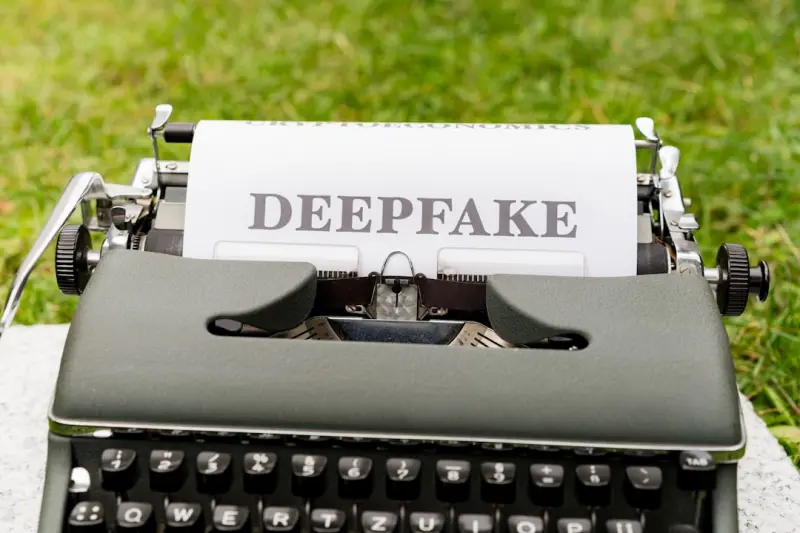
Why Deepfakes Matter to Every Lawyer Today
When a video of a public figure says something they never uttered goes viral, the courtroom buzzes as loudly as the comment sections. I’ve spent years watching the law chase after tech, and the deepfake explosion is the most urgent sprint yet. From political manipulation to corporate blackmail, synthetic media is no longer a novelty—it’s a weapon that threatens the core of evidentiary standards. Understanding the legal terrain before the next wave hits is not just smart; it’s essential for preserving the rule of law in the digital age.
What Exactly Is a Deepfake?
A deepfake is a type of synthetic media created by artificial intelligence, usually generative adversarial networks, that can swap faces, mimic voices, or generate entirely fabricated scenes. The technology blends massive datasets of real footage with sophisticated algorithms, producing outputs that can fool even seasoned analysts. While the term “deepfake” evokes scandalous headlines, the underlying methods are now embedded in everyday apps for entertainment, advertising, and even legitimate journalism. The line between creative expression and malicious deception is razor‑thin, and that ambiguity fuels the legal conundrum.
Why the Law Is Struggling to Keep Up
The rapid democratization of deepfake tools outpaces the slow, deliberative process of legislative drafting. Courts still rely on traditional notions of “authenticity” that presuppose a clear‑cut separation between fact and fabrication. Yet deepfakes blur that separation, forcing judges to grapple with questions of intent, provenance, and the reliability of forensic evidence. Moreover, the global nature of the internet means a single video can be uploaded in one jurisdiction and consumed worldwide, challenging the territorial limits of most statutes. As a practitioner, I’ve seen the friction first‑hand: clients demand swift remedies, but the statutes on the books often offer no clear path.
Existing Statutes That Could Be Leveraged
Even without a dedicated deepfake law, several existing legal frameworks can be stretched to address the harm. Courts have begun to invoke:
- Defamation law when a fabricated video harms a person’s reputation.
- Copyright infringement when a deepfake uses protected audiovisual material without permission.
- Right of publicity to block unauthorized commercial exploitation of a likeness.
- Cyber‑stalking statutes for repeated, targeted deepfake harassment.
Each doctrine offers a foothold, but they were written for analog scenarios and often require creative pleading. Practitioners must craft arguments that translate digital manipulation into the language of these older statutes, a task that demands both technical fluency and legal ingenuity.
State‑Level Battles and Emerging Ordinances
Several states have taken matters into their own hands, passing or proposing legislation that specifically criminalizes malicious deepfakes. California’s “Deepfake Accountability Act” targets political disinformation, while Texas has outlawed non‑consensual synthetic porn. Meanwhile, New York’s recent bill ties deepfake distribution to existing fraud statutes, creating a hybrid approach. These piecemeal solutions illustrate a broader trend: states are experimenting with varying scopes, penalties, and enforcement mechanisms. The patchwork, however, raises questions about forum shopping and inconsistent protections. For lawyers advising clients across state lines, the task is to map this evolving landscape and anticipate which jurisdiction’s rules will apply in a given dispute.
Federal Proposals on the Horizon
At the national level, lawmakers are drafting comprehensive bills that aim to unify the response. The “DEEPFAKE Prevention Act” proposes a three‑pronged strategy: mandatory labeling of synthetic media, criminal penalties for malicious distribution, and a civil cause of action for victims. A companion bill, the “National AI Transparency Initiative,” would require platforms to retain provenance metadata for all uploaded videos, enabling forensic verification. While these proposals are still navigating committee hearings, they signal a willingness to embed technology‑specific safeguards into existing communications law. Should they pass, the federal framework could supersede conflicting state statutes, providing a more predictable environment for litigators.
Impact on Defamation, Election Law, and Beyond
Deepfakes pose a unique challenge to defamation law because the “false statement” can be purely visual, without spoken words. Courts must decide whether a manipulated image that conveys a false implication meets the traditional falsity threshold. In election contexts, the stakes are higher: a deepfake of a candidate endorsing extremist views can sway voter perception, potentially violating campaign finance and election integrity statutes. Some jurisdictions are exploring “false statements about a candidate” provisions that treat synthetic media as a distinct category of electoral misconduct. The ripple effect extends to corporate governance, where deepfakes can be used for insider trading schemes or to manipulate shareholder meetings.
Enforcement Challenges and Technological Countermeasures
Even with robust statutes, enforcement remains an uphill battle. Identifying the source of a deepfake often requires cooperation from tech platforms, which may be reluctant or lack the technical capacity to comply. This is where the Right to Repair movement offers a useful analogy: just as consumers demand access to repair information, the legal community is demanding transparency tools that can authenticate media. Emerging technologies, such as blockchain‑based provenance logs and AI‑driven detection services, are being touted as solutions. However, the same AI that creates deepfakes can also improve detection, leading to an endless cat‑and‑mouse game. Legal strategies must therefore incorporate technical experts and consider injunctions that compel platforms to remove harmful content promptly.
Practical Guidance for Creators, Counsel, and Litigants
For creators, the safest route is to embed clear, machine‑readable metadata that declares whether a video is synthetic. This not only aligns with emerging federal labeling requirements but also provides a defense against inadvertent liability. Counsel representing victims should act quickly to preserve digital evidence, file preservation requests, and consider both civil and criminal avenues. When confronting platforms, the Workplace Surveillance framework offers a template for demanding timely disclosure of user data. Finally, litigants must be prepared to explain technical concepts to juries, using visual aids and expert testimony to demystify the AI processes behind the deepfake. By combining proactive compliance, aggressive preservation, and clear communication, the law can finally catch up to the technology.
Looking Ahead: A Call to Legal Innovators
The deepfake frontier is still in its infancy, and the legal community has a rare opportunity to shape its trajectory. Legislators, judges, and practitioners must collaborate with technologists to craft rules that protect free expression while curbing malicious misuse. This means championing transparency standards, supporting research into reliable detection, and advocating for balanced penalties that deter abuse without stifling innovation. As we stand at the crossroads of law and synthetic media, the choices we make now will determine whether deepfakes become tools of deception or instruments of creative freedom.

Steven McClurry is a freelance writer. He loves to write controversial topics and on a wide rang of topics. When is not online he is hanging out at his college campus or playing online games.
Related Posts

Beyond Pixels: Legal Frontiers in the Metaverse Real Estate Boom
The metaverse is reshaping property law, blending NFTs, smart contracts, and cross‑border regulati... Read More

Legal Action to Take When You're Being Sued For an Inheritance
Inheriting property, assets, or funds is often intended to bring closure after a loved one’s passi... Read More

Navigating the Legal Labyrinth of AI‑Generated Art and Copyright
AI‑generated art is redefining authorship. Dive into the legal complexities of ownership, licensin... Read More
Top Posts

How Technology is Rewriting Marriage Law: What Couples Need to Know
Discover how technology—from virtual vows to AI‑drafted prenups—redefines marriage law and learn practical steps to safeguard your partnership in the digi...Read More

Beyond the Clock: How Employee Surveillance Is Redrawing Labour Law Boundaries
A deep dive into the rise of employee monitoring tools, the emerging privacy risks they pose, and practical steps employers can take to align surveillance pract...Read More
When Posts Become Proof: Navigating Social Media Evidence in Criminal Law
In the digital age, every tweet, snap, or story can become courtroom proof. I dissect how social media evidence reshapes criminal trials, balancing privacy with...Read More
Real‑Time Revenue Recognition: A Tax Blueprint for SaaS Leaders
Discover a step‑by‑step tax strategy for SaaS firms embracing instant billing, from timing income and allocating costs to leveraging automated tax engines f...Read More
0 Comments
Post Comment
You will need to Login or Register to comment on this post!