
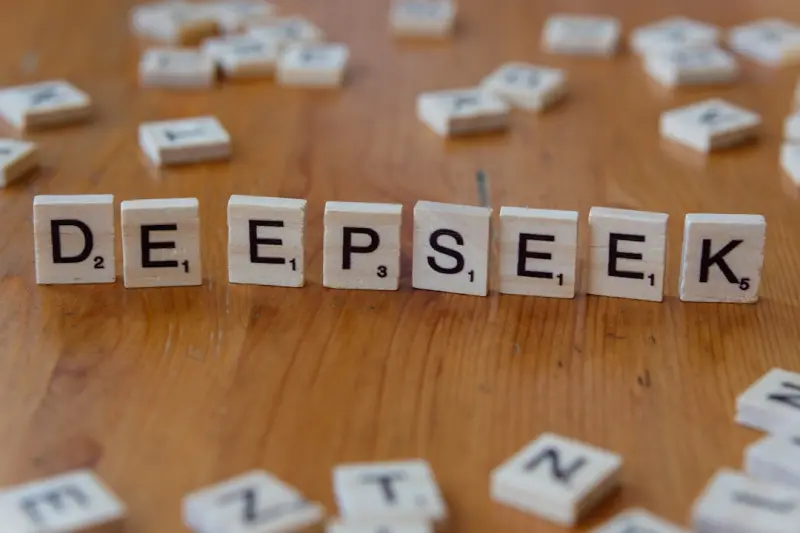
Why Deepfakes Are More Than a Technological Curiosity
When I first saw a hyper‑realistic video of a public figure saying something they never actually said, my gut reaction was the same as any lawyer’s: what legal recourse does anyone have? The technology behind that illusion—deep learning models that synthesize video, audio, and even text—has evolved from a research demo into a commodity. Today, a handful of scripts and a modest GPU can produce a video that can fool even seasoned journalists. This rapid democratization forces us to confront questions that were once the stuff of speculative fiction: Who is liable when a fabricated video harms a reputation? How do existing defamation statutes apply to synthetic media? What responsibilities do platforms have to police the flood of manipulated content?
Defamation in the Age of Synthetic Media
Defamation law has long hinged on the premise that a false statement was published to a third party, causing reputational harm. Deepfakes add a new layer of complexity because the “statement” is no longer just words—it’s a moving, speaking likeness. Courts have begun to treat these as “visual statements,” but the jurisprudence is still nascent.
Key elements remain:
- Falsity: The content must be demonstrably false. With deepfakes, the line blurs because the underlying audio may be genuine, but the context is fabricated.
- Publication: Posting a deepfake on a public platform satisfies the publication requirement, even if the uploader claims “it’s satire.”
- Fault: In many jurisdictions, public figures must prove actual malice—knowledge of falsity or reckless disregard. Deepfakes often arise from a reckless mindset, especially when the creator uses AI tools without verifying authenticity.
- Damages: Harm can be quantifiable (lost contracts) or intangible (damage to reputation). The visual nature of deepfakes can amplify perceived harm, making damages potentially larger.
Legal scholars argue that traditional defamation defenses—like opinion or fair use—may not comfortably stretch to synthetic media, especially when the “opinion” is presented as a factual video. The result? Plaintiffs may find a more receptive courtroom than they expected.
Privacy and the Right of Publicity
Beyond defamation, deepfakes raise privacy and publicity rights. Many states recognize a “right of publicity,” which protects against unauthorized commercial exploitation of a person’s likeness. When a deepfake is used to sell a product, promote a political agenda, or simply generate clicks, it can infringe that right.
For example, a deepfake of a celebrity endorsing a dubious health supplement could be pursued under both defamation (false claims about the product) and right‑of‑publicity (unauthorized use of likeness). The intersection of these claims often creates a legal tapestry where multiple statutes intertwine, offering plaintiffs several avenues for relief.
Consent in the Synthetic World
Consent is a cornerstone of privacy law. Yet, with deepfakes, the consent question is murky. A person may have consented to the use of their voice in a podcast, but not to that voice being grafted onto a fabricated video. Courts are beginning to ask whether consent to one form of media implicitly covers all derivative uses—a question that has yet to be definitively answered.
Legislators are catching up. A few jurisdictions have introduced bills specifically targeting non‑consensual deepfakes, especially those that are sexual in nature. These statutes often impose criminal penalties, reflecting the societal consensus that certain synthetic manipulations are beyond the pale of acceptable speech.
Platform Liability: The Emerging Duty to Act
One of the most contentious debates centers on whether platforms that host deepfakes should be held liable for the content they disseminate. The legal strategies for employee surveillance article highlighted how courts balance privacy against business interests; similarly, the deepfake arena pits free speech against the harm caused by false visual statements.
In the United States, Section 230 of the Communications Decency Act has traditionally shielded platforms from liability for user‑generated content. However, recent legislative proposals—both at federal and state levels—aim to carve out exceptions for synthetic media that cause demonstrable harm. The argument is that platforms have a knowledge‑based duty to implement detection technologies and act swiftly when a deepfake is reported.
European regulators have taken a different approach. The Digital Services Act (DSA) mandates that very large online platforms conduct risk assessments for systemic harms, which now explicitly include “disinformation through synthetic media.” Non‑compliance can result in hefty fines, incentivizing platforms to deploy AI‑driven detection tools.
Detection Technology: A Legal Imperative?
Ironically, the same AI that creates deepfakes is also being harnessed to detect them. Companies are rolling out forensic tools that analyze pixel-level inconsistencies, audio‑visual sync, and metadata anomalies. While these tools are promising, they are not infallible, and false positives raise concerns about censorship.
From a legal standpoint, the deployment of detection technology may become a “best practice” defense for platforms. If a platform can demonstrate that it has a robust detection pipeline and a rapid takedown process, it may argue that it has exercised due diligence, potentially shielding itself from liability under emerging statutes.
International Borders and Jurisdictional Challenges
Deepfakes are borderless. A video created in one country, hosted on a server in another, and viewed worldwide can trigger legal claims in multiple jurisdictions simultaneously. This raises conflict‑of‑law questions: Which court has the authority to adjudicate? Which substantive law applies?
In practice, plaintiffs often file in the jurisdiction where the harm is most palpable—typically where the victim resides or where the platform operates. However, this “forum shopping” can lead to contradictory rulings, especially when one jurisdiction prioritizes free speech and another emphasizes personal dignity.
Emerging Legislative Responses
Governments worldwide are drafting tailored legislation:
- United States: Several states have introduced “Deepfake Accountability Acts,” criminalizing the creation and distribution of non‑consensual deepfakes that depict sexual acts or defame individuals.
- European Union: The EU’s upcoming “Synthetic Media Regulation” aims to label AI‑generated content, requiring platforms to disclose when a video has been algorithmically synthesized.
- Australia: The Australian Senate is considering amendments to the Criminal Code to address malicious deepfakes used in political campaigns.
These legislative trends reflect a growing consensus that existing legal frameworks are insufficient to address the unique harms of synthetic media.
Strategic Guidance for Counsel and In‑House Teams
Given this evolving landscape, legal practitioners need a pragmatic roadmap:
- Conduct a Risk Assessment: Identify where your organization could be exposed—whether as a content creator, distributor, or target.
- Update Policies: Incorporate clauses that prohibit the creation or distribution of deepfakes without explicit consent, and outline consequences for violations.
- Implement Detection Tools: Adopt AI‑driven forensic solutions and establish a rapid response protocol for takedown requests.
- Educate Stakeholders: Train marketing, HR, and communications teams on the legal risks of synthetic media, emphasizing the importance of consent and attribution.
- Monitor Legislative Developments: Stay abreast of emerging statutes in key markets; consider proactive compliance, such as labeling AI‑generated content.
- Engage with Platforms: Develop clear escalation pathways with major platforms, leveraging their own legal strategies for emerging digital issues.
Case Study: The “Politico‑Video” Fallout
Last month, a deepfake of a senior senator purportedly announcing a controversial policy went viral, prompting a flurry of media coverage. The senator’s legal team filed a defamation lawsuit against the video’s creator and the platform that initially hosted it. In parallel, the creator invoked the AI copyright challenges defense, arguing that the underlying model was trained on public domain footage, and thus the output should be considered fair use.
The court’s decision was a landmark: it rejected the fair‑use argument, emphasizing that the synthetic nature of the video transformed public domain material into a false statement with real‑world impact. Moreover, the platform was ordered to implement a more rigorous detection protocol, underscoring the growing expectation that intermediaries must act proactively.
Looking Ahead: The Convergence of Law, Ethics, and Technology
Deepfakes sit at the intersection of technology, free speech, and personal rights. As AI models become more sophisticated, the law will inevitably adapt, but the pace of legislative change will likely lag behind innovation. This creates a “legal gray zone” where proactive corporate governance becomes a competitive advantage.
In my practice, I’ve seen that clients who anticipate the risk—by establishing clear consent frameworks, investing in detection, and maintaining open dialogues with platform providers—navigate the deepfake maelstrom with fewer surprises. The future will probably bring a patchwork of statutes, judicial rulings, and industry standards. Staying ahead means treating deepfake risk not as a one‑off compliance checkbox but as an ongoing strategic concern.
Practical Checklist for Organizations
- Audit existing content for unauthorized synthetic media.
- Update contracts to include explicit consent for AI‑generated likenesses.
- Integrate AI detection tools into content moderation pipelines.
- Establish a rapid response team for takedown and remediation.
- Monitor jurisdiction‑specific deepfake legislation.
- Educate executives on reputational risks and liability exposure.
Deepfakes are not a fleeting novelty; they are a transformative technology reshaping the legal terrain. By recognizing the multifaceted risks—defamation, privacy, right of publicity, and platform liability—organizations can craft resilient strategies that protect both their brand and the individuals they serve.

Kris M. Chen is a dedicated legal paralegal based in Texas, specializing in delivering comprehensive case management and litigation support. Known for a meticulous approach to legal research and document preparation, Kris plays a vital role in navigating complex legal workflows and ensuring seamless trial preparation.
Related Posts
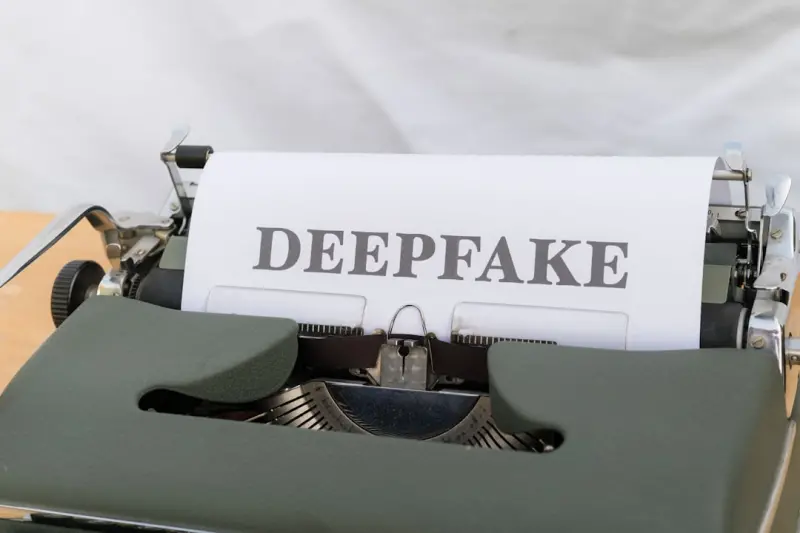
Deepfakes and the Law: Safeguarding Reputation in the Synthetic Media Era
Deepfake videos are reshaping the legal landscape—discover the risks and strategies to defend your... Read More

Gig Economy Worker Classification: Legal Minefield & Strategies
The gig economy’s rapid growth has sparked a legal battle over worker classification. This article... Read More

The Gig Economy’s Legal Grey Zone: Rethinking Worker Classification
A deep dive into the gig economy’s classification crisis, offering fresh legal perspectives, compl... Read More
Top Posts
When Smart Homes Meet the Law: Navigating Privacy, Consent, and Liability
A deep dive into the legal landscape of smart home technology, offering practical tips for homeowners to protect privacy, understand consent, and anticipate fut...Read More
Criminal Law in 2024: Trends, Technology, and the Human Face of Justice
Kris M. Chen dissects 2024 criminal law, covering cybercrime, sentencing reforms, victim advocacy, and the rise of AI, offering practical guidance for lawyers a...Read More

Navigating Child Custody in the Digital Age: Practical Strategies for Modern Co‑Parents
A deep dive into how technology—virtual hearings, digital evidence, and remote‑work dynamics—are transforming child custody, offering practical guidance f...Read More

Climate Claims: Evolving Insurance Law for Flood‑Prone Areas
A deep dive into the legal evolution of flood insurance, highlighting new policy structures, litigation trends, and upcoming legislative reforms that protect ho...Read More
0 Comments
Post Comment
You will need to Login or Register to comment on this post!