
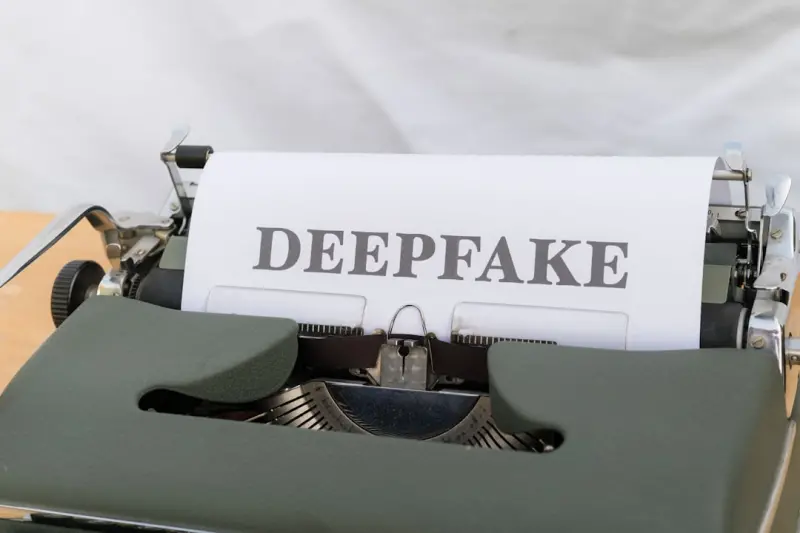
Understanding the Deepfake Surge and Its Legal Implications
In the span of just a few years, synthetic media—commonly known as deepfakes—have evolved from a novelty in tech labs to a mainstream threat that can weaponize a person’s likeness with frightening realism, and this rapid diffusion forces the legal community to confront gaps in traditional doctrines; the ability to fabricate convincing video or audio of a public figure saying or doing something they never did creates a new vector for reputational harm that existing defamation and privacy frameworks were never designed to address. Lawmakers, litigators, and technologists alike now grapple with how to apply statutes written for static images and written words to dynamic, algorithm‑generated content that can be altered in milliseconds, and the stakes are high because the damage can spread across social platforms before a single court order can be issued. As a result, the conversation has shifted from “if” deepfakes will be used maliciously to “when” and “how” the legal system will adapt to protect individuals and organizations from this emerging peril.
The Technical Foundations That Challenge Traditional Legal Reasoning
At its core, a deepfake leverages generative adversarial networks (GANs) to blend layers of visual and auditory data, producing a seamless illusion that can mimic a target’s voice, facial expressions, and gestures with a level of fidelity that can fool even seasoned forensic analysts, and this sophistication undermines the long‑standing legal assumption that authenticity can be readily established through simple documentary evidence; courts now must consider complex digital forensics, provenance metadata, and the expertise of AI specialists when evaluating truthfulness. Moreover, the speed at which these tools can create and disseminate content—often in under a minute—means that the traditional “notice and takedown” approach is increasingly inadequate, as the harmful material can go viral before any legal remedy is even filed, eroding the efficacy of injunctions that rely on prompt judicial intervention. Consequently, the legal community is forced to rethink evidentiary standards, burden of proof, and the very definition of “publication” in the digital age.
Current Statutory Landscape: Defamation, Privacy, and Emerging Remedies
Presently, victims of malicious deepfakes typically turn to existing defamation statutes, arguing that the false portrayal meets the “false statement of fact” test, yet many jurisdictions still require proof of actual malice or negligence, a hurdle that is compounded when the creator hides behind anonymizing services or decentralized platforms; privacy claims, such as the right of publicity or intrusion upon seclusion, offer an alternative avenue, but these doctrines vary widely across states and often lack the clarity needed to address synthetic impersonation. In addition, a handful of states have begun enacting “deepfake” specific legislation that criminalizes the creation or distribution of non‑consensual synthetic media with the intent to deceive, providing a criminal deterrent that complements civil remedies, yet these laws are still in their infancy and differ dramatically in scope, penalties, and enforcement mechanisms. As the legislative patchwork expands, practitioners must stay vigilant, mapping the most relevant statutes to the facts of each case while anticipating how courts will interpret these nascent provisions in the face of rapidly advancing technology.
Jurisdictional Variances: United States versus European Approaches
In the United States, the decentralized legal system results in a mosaic of state‑level statutes, with some states like California and Texas adopting broad “reputation‑damage” language that captures deepfake harms, while others rely on existing torts that may not adequately address the unique nature of synthetic media, creating a fragmented enforcement landscape that can leave victims chasing cross‑state litigation strategies; meanwhile, the European Union’s General Data Protection Regulation (GDPR) provides a more uniform framework for privacy violations, granting individuals the right to object to the processing of their biometric data, which can be leveraged against deepfake creators who misuse facial features without consent. Additionally, the EU’s upcoming Digital Services Act (DSA) imposes stricter duties on online platforms to remove illegal content, including synthetic media that infringes on personal rights, offering a potentially more robust avenue for swift takedown compared to the U.S. “notice‑and‑takedown” regime. Understanding these jurisdictional nuances is essential for counsel advising multinational clients who must navigate both civil and criminal pathways across borders.
Attribution Challenges and the Burden of Proof
One of the most daunting obstacles in deepfake litigation is pinpointing the original source, as the technology allows perpetrators to route content through multiple servers, employ encryption, and embed it within legitimate media streams, effectively obscuring the creator’s identity and making the “who did it” question a forensic labyrinth; this anonymity forces plaintiffs to shoulder the heavy burden of proof, often requiring expert testimony to demonstrate that a specific actor possessed the means, motive, and opportunity to produce the synthetic content, a standard that can be prohibitively expensive and time‑consuming. Courts are beginning to entertain “reverse‑engineering” techniques, where investigators reconstruct the generative model’s fingerprints to trace the deepfake back to its origin, yet the admissibility of such evidence remains contested, and the lack of standardized methodologies hampers its widespread acceptance. Consequently, legal practitioners must balance the costs of deep forensic analysis against the potential damages, while also considering alternative strategies such as leveraging platform logs, subpoenaing hosting providers, or collaborating with cybersecurity firms to build a compelling narrative that meets the evidentiary threshold.
Platform Liability and the Role of Intermediaries
Online platforms sit at the nexus of deepfake distribution, and the question of whether they should be held liable for hosting synthetic media has ignited vigorous debate, especially in light of the United States’ Section 230 protections that shield platforms from the content posted by third parties, a shield that critics argue is outdated in the era of AI‑generated misinformation; recent legislative proposals aim to carve out exceptions for deepfakes that cause demonstrable reputational or emotional harm, thereby imposing a duty of care that would require platforms to implement proactive detection tools, rapid response mechanisms, and transparent reporting processes. In Europe, the Digital Services Act mandates “risk‑assessment” obligations for very large online services, compelling them to assess and mitigate systemic risks posed by deepfakes, including the potential for election interference or public safety threats. For businesses, this evolving liability landscape means that compliance teams must not only monitor for brand impersonation but also engage with platform providers to ensure that any flagged synthetic content is addressed promptly, lest they face indirect exposure through the “failure to act” doctrine that some courts are beginning to recognize.
Workplace Implications: From Employee Monitoring to Reputation Management
Employers are increasingly concerned about deepfakes that could be used to fabricate misconduct or sabotage internal communications, and this risk intersects directly with existing employee monitoring frameworks, prompting HR leaders to reevaluate policies around video surveillance, digital communications, and the verification of evidence presented in disciplinary proceedings; a deepfake depicting an employee engaging in prohibited behavior could trigger wrongful termination claims if not properly authenticated, while simultaneously exposing the organization to defamation lawsuits from the affected individual. Moreover, the rise of algorithmic management tools that analyze employee performance data adds another layer of complexity, as these systems may inadvertently flag synthetic media as genuine, leading to automated punitive actions that lack human oversight. To mitigate these risks, forward‑thinking companies are instituting multi‑factor verification protocols, investing in AI‑driven detection software, and drafting clear consent agreements that outline the permissible use of employee likenesses in corporate media, thereby establishing a legal safety net that balances operational efficiency with the protection of individual reputations.
Proactive Defense Strategies: Cease‑and‑Desist, Watermarking, and Legislative Advocacy
Given the speed at which deepfakes can spread, victims must act swiftly, beginning with a well‑crafted cease‑and‑desist letter that cites specific statutory violations—whether under defamation, privacy, or newly enacted deepfake statutes—to compel the remover to take down the content and deter further distribution; simultaneously, many creators and brands are adopting digital watermarking and blockchain‑based provenance tools that embed immutable identifiers into original media, providing a technical anchor that can be referenced in court to prove authenticity and streamline takedown requests. On a broader scale, stakeholders are lobbying for comprehensive federal legislation that would standardize deepfake definitions, establish uniform civil damages caps, and create a clear criminal pathway for malicious actors, thereby reducing the current patchwork of state laws and offering victims a predictable remedy. Legal counsel should therefore advise clients to not only pursue immediate remedial actions but also to engage in policy advocacy, aligning with industry coalitions that champion balanced regulations that protect free expression while curbing the weaponization of synthetic media.
Looking Ahead: The Future of Deepfake Regulation and Societal Resilience
As generative AI continues to lower the barrier to creating hyper‑realistic synthetic media, the law will inevitably evolve, with courts likely to develop new doctrines that address the unique blend of technology and reputation harm, perhaps recognizing a distinct “synthetic defamation” tort that streamlines proof requirements and acknowledges the inherent difficulty of tracing originators; meanwhile, educational initiatives that improve media literacy, coupled with robust detection ecosystems deployed by platforms, can empower the public to critically assess visual content, reducing the virality of deceptive deepfakes before they cause irreversible damage. In this shifting landscape, attorneys, policymakers, and technologists must collaborate to craft a legal architecture that is both flexible enough to adapt to rapid innovation and sturdy enough to protect individuals’ dignity and economic interests. By staying ahead of the curve, embracing interdisciplinary expertise, and championing proactive safeguards, we can ensure that the promise of AI is not eclipsed by the perils of synthetic deception.

Kris Kennel is a Paralegal outside of Austin, Texas where he spends most of his time helping users with legal matters that concern them. When he is not working he enjoys time with his wife and kids.
Related Posts
Synthetic Media and the Law: Guarding Reputation in the Age of Deepfakes
Deepfakes threaten reputations, elections, and commerce. This article breaks down the legal challeng... Read More

Deepfakes and the Law: Protecting Truth in the Age of AI
Deepfakes are reshaping evidence and reputation. Discover legal gaps, emerging statutes, and actiona... Read More
When Reality Gets Edited: The Legal Battle Against Deepfakes
Deepfakes are challenging traditional legal concepts of truth, privacy, and evidence. This article e... Read More
Top Posts

Blockchain Trusts: Reimagining Estate Planning
Blockchain trusts combine traditional fiduciary principles with smart contract automation, delivering transparent, secure, and cost‑effective estate planning ...Read More

Remote Work, Non‑Competes, and the New Jurisdictional Minefield
Remote work has turned non‑compete agreements into a legal maze. Discover jurisdictional pitfalls and actionable strategies to keep your contracts enforceable...Read More

How AI‑Powered Mediation Platforms Are Redefining Divorce Settlements
AI‑driven mediation platforms are reshaping divorce negotiations, offering data‑backed fairness, faster settlements, and integrated financial rebuilding too...Read More

Why Collaborative Divorce Is Changing the Face of Family Law
Explore the rise of collaborative divorce, a compassionate approach that prioritizes mutual respect, child‑centered outcomes, and sustainable financial soluti...Read More
0 Comments
Post Comment
You will need to Login or Register to comment on this post!