
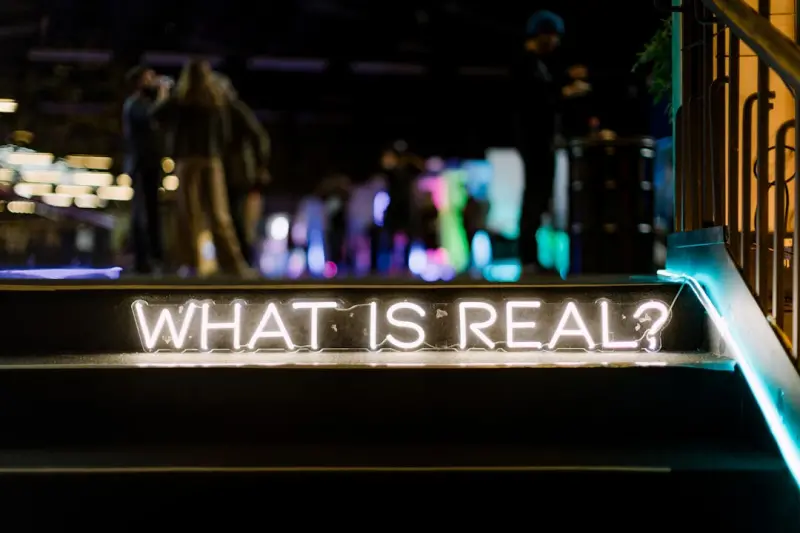
Imagine watching a video of a CEO announcing a massive layoff—only to discover the footage was fabricated, the voice synthesized, and the entire scene a clever collage of pixels. That’s not a plot twist from a sci‑fi thriller; it’s the new reality of deepfakes, and the law is still scrambling to keep pace. As a legal technophile who’s spent the last decade watching tech‑driven disputes unfold, I’m convinced that the rise of synthetic media will rewrite the rulebook on defamation, privacy, evidentiary standards, and even criminal liability.
What Exactly Is a Deepfake?
A deepfake is a type of synthetic media created using deep learning algorithms—most commonly generative adversarial networks (GANs)—to swap faces, mimic voices, or generate entirely fabricated video and audio. While the term “deepfake” was coined as a tongue‑in‑cheek mash‑up of “deep learning” and “fake,” the technology behind it is anything but a joke. With a modest dataset and a few hours of GPU time, anyone can produce a video that looks indistinguishable from genuine footage to the naked eye.
Why the Legal Community Is Losing Sleep
The legal implications span three major arenas:
- Defamation and Reputation Damage: A fabricated video of a public figure saying something scandalous can spread like wildfire before the truth is verified. Traditional defamation law—requiring false statements presented as fact—doesn’t neatly accommodate a scenario where the “statement” is a visual lie.
- Evidence and Criminal Proceedings: Courts have long relied on video and audio recordings as reliable evidence. Deepfakes threaten to erode that trust, prompting judges to demand new forensic verification methods.
- Privacy and Consent: The creation of non‑consensual pornographic deepfakes, for example, raises questions about the adequacy of existing privacy statutes and whether new torts are needed.
The Forensic Arms Race
Law enforcement and litigators are already turning to the very same technology that birthed deepfakes to fight them. digital forensics is evolving at breakneck speed, employing AI‑driven detection tools that analyze pixel inconsistencies, audio anomalies, and metadata irregularities. The cat‑and‑mouse game is reminiscent of early cybercrime investigations, where each breakthrough on one side spurred a counter‑measure on the other.
What makes deepfake forensics uniquely challenging is the rapid improvement of synthesis models. A detection algorithm that works today could be obsolete tomorrow. Consequently, legal professionals must adopt a “continuous verification” mindset—treating every piece of multimedia evidence as provisional until proven otherwise by an independent expert.
Existing Legal Frameworks: A Patchwork Quilt
Most jurisdictions still rely on statutes drafted before the AI era. In the United States, for instance, defamation law varies state‑by‑state, and none explicitly address synthetic media. Some states—California, Texas, and Virginia—have passed “deepfake” statutes targeting non‑consensual pornographic uses, but these are narrow slices of a much larger problem.
Internationally, the European Union’s Digital Services Act (DSA) and the upcoming AI Act hint at a broader regulatory approach, but implementation details are still under negotiation. Meanwhile, many countries lack any explicit legislation, leaving victims to rely on general privacy or harassment torts—often an inadequate remedy.
Contractual Safeguards: The First Line of Defense for Businesses
Enter the world of contracts. Companies that produce or distribute user‑generated content can mitigate risk by embedding deepfake‑related clauses. Consider the following provisions:
- Representation and Warranty of Authenticity: Content creators warrant that any media they provide is not a manipulated deepfake unless expressly disclosed.
- Indemnification for Synthetic Media Misuse: The party responsible for creating or distributing a deepfake agrees to indemnify the other for any resulting claims.
- Right to Audit and Verify: The receiving party can request forensic verification of any suspect media before it goes live.
These clauses do not eliminate the risk, but they shift liability and provide a contractual basis for recourse. They also signal to regulators that a business takes synthetic media integrity seriously—a factor that could influence future compliance assessments.
Insurance: A New Frontier in Risk Management
Just as cyber liability insurance has become a staple for tech firms, insurers are now drafting policies that cover deepfake-related losses. Coverage may include:
- Legal defense costs for defamation suits arising from fabricated content.
- Business interruption losses when a deepfake causes a stock price plunge or brand crisis.
- Reputational repair services, such as crisis communication and media monitoring.
Premiums are still high and underwriting criteria opaque, but early adopters are gaining a competitive advantage by demonstrating proactive risk mitigation.
The Role of AI Hiring Tools: A Cautionary Parallel
If you thought AI hiring tools were the only AI‑driven legal minefield, think again. The same AI hiring tools that risk bias and discrimination also illustrate how algorithmic outputs can be weaponized. Deepfakes could be used to sabotage a candidate’s reputation—imagine a fabricated video of a candidate making a hate‑filled speech, surfacing just before an interview.
Employers must therefore expand their compliance playbooks to include monitoring for synthetic media attacks on both internal and external stakeholders. A comprehensive policy might include:
- Regular scanning of the web for brand or employee deepfakes using AI‑powered detection services.
- Immediate response protocols—taking down false content, issuing public statements, and notifying affected parties.
- Training HR teams to recognize the signs of deepfake-based harassment or defamation.
Emerging Judicial Trends
Courts are beginning to grapple with deepfakes, though the jurisprudence is still embryonic. A few noteworthy cases illustrate the direction:
- United States v. Doe (federal district court): The plaintiff successfully argued that a deepfake video constituted “false light” invasion of privacy, awarding damages for emotional distress.
- R v. Smith (UK High Court): The court admitted a deepfake as evidence of intent to commit fraud, after expert testimony confirmed the synthetic nature of the video.
- Doe v. Social Media Platform (California Supreme Court): The court held the platform partially liable for failing to remove a deepfake that caused severe reputational harm, citing the platform’s “knowledge and control” standard.
These decisions hint at a future where courts will demand rigorous authentication of multimedia evidence and may impose duties on platforms to act swiftly against synthetic content.
Policy Recommendations: From Reactive to Proactive
Policymakers can’t wait for the next high‑profile deepfake scandal to act. A forward‑looking legal framework should include:
- Clear Definitions: Statutes must precisely define “synthetic media” and distinguish between malicious and benign uses.
- Mandatory Disclosure: Content creators who use AI to generate or alter media should be required to label it conspicuously.
- Safe Harbor for Platforms: Provide conditional immunity for platforms that implement robust detection and takedown mechanisms.
- Victim Compensation Funds: Establish funds to support individuals harmed by non‑consensual deepfakes, akin to cyber‑bullying remediation programs.
These measures would create a balanced ecosystem that discourages malicious deepfakes while preserving legitimate creative and educational uses of synthetic media.
Practical Steps for Individuals
Even if you’re not a CEO, deepfakes can affect you personally. Here’s a quick checklist:
- Monitor Your Digital Footprint: Set up Google Alerts for your name and run periodic reverse image searches.
- Verify Before Sharing: If a sensational video surfaces, check reputable fact‑checking sites before reposting.
- Know Your Rights: In many jurisdictions, you can issue a cease‑and‑desist letter or file a civil suit for defamation or privacy violations.
- Preserve Evidence: Save original files, timestamps, and any correspondence—these can be crucial if you pursue legal action.
Conclusion: The Law Must Evolve as Fast as the Tech
Deepfakes are more than a novelty; they’re a disruptive force that challenges the foundations of truth in law and society. The legal community must adopt a multi‑pronged strategy—leveraging forensic science, updating contractual language, embracing insurance solutions, and advocating for clear legislation. As we navigate this brave new world of synthetic media, the old adage “the law is what we make it” takes on a literal meaning: we must make the law resilient enough to protect reality itself.

I am Madden Persons, a content writer and digital influencer dedicated to crafting impactful stories and building authentic online connections. With a strategic approach to content creation, I develop engaging articles, digital campaigns, and social media narratives that help brands elevate their online presence and connect meaningfully with their target audiences.
Passionate about modern digital trends and audience engagement, I specialize in translating complex ideas into compelling content that sparks conversation, drives results, and strengthens brand identity.
Related Posts

The Legal Landscape of Influencer Marketing Disclosures
A deep dive into influencer marketing disclosures, covering FTC mandates, platform quirks, global ru... Read More
Navigating the Legal Skies of Autonomous Drone Delivery
A deep dive into the emerging legal challenges of autonomous drone delivery, covering airspace owner... Read More
When Smart Homes Meet the Law: Navigating Privacy, Consent, and Liability
A deep dive into the legal landscape of smart home technology, offering practical tips for homeowner... Read More
Top Posts

Crypto Crime Surge: How Prosecutors Are Keeping Pace
Cryptocurrency’s anonymity and speed have turned it into a hotspot for criminal activity. This article examines the surge in crypto‑related crimes, the hurd...Read More

Redefining Labour Law for the Remote‑Work Era
A deep dive into the legal complexities of remote work, offering practical steps for employers to navigate jurisdiction, privacy, arbitration, and compliance in...Read More

When Grandparents Seek a Seat at the Table: Modern Family Law and Grandparent Rights
Grandparents are increasingly recognized as vital caregivers, prompting family law to adapt. This article examines new statutes, court trends, and collaborative...Read More

Why Family Mediation Is the Smart Choice for Modern Disputes
Family mediation is emerging as a cost‑effective, relationship‑preserving alternative to courtroom battles. This post explores how mediation works, when itâ...Read More
0 Comments
Post Comment
You will need to Login or Register to comment on this post!