
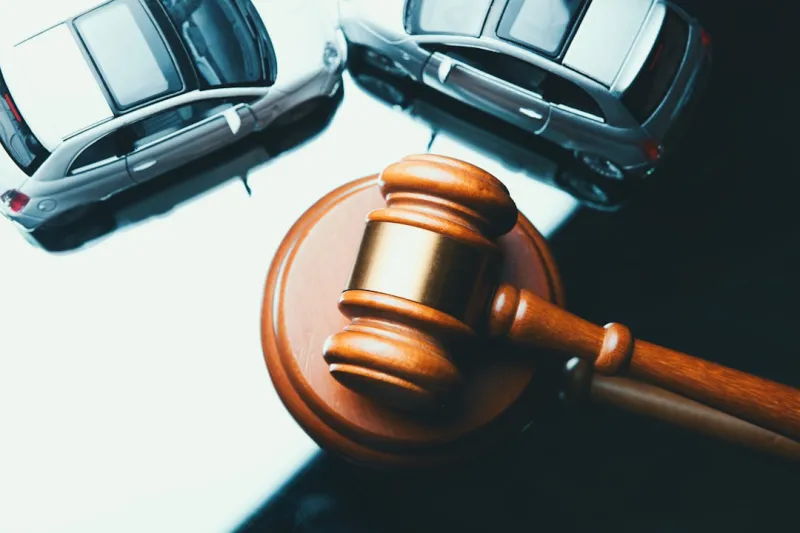
Why Automotive Law Is Suddenly in the Fast Lane
When I first stepped into the courtroom handling a simple brake‑failure claim, I never imagined the field would evolve into a high‑tech battleground where software updates can trigger massive liability disputes. Consumer power is no longer a vague idea; it’s a measurable force driven by data‑rich vehicles that whisper every turn, speed, and crash into the cloud, demanding lawyers who can decode code as fluently as statutes. I’ve watched the pendulum swing from rusted chassis to AI‑guided steering, and that swing is forcing us to rewrite the rulebook before the next model rolls off the assembly line.
Autonomous Vehicles and the New Liability Puzzle
Self‑driving cars have turned the classic “driver‑fault” paradigm on its head, replacing human error with algorithmic decision‑making that can be both invisible and inscrutable to a jury. Courts are now grappling with questions like: Who owns the liability when an autonomous system decides to swerve, and does the manufacturer’s warranty extend to software glitches that feel more like medical malpractice than a mechanical defect? In my practice, I’ve started drafting “algorithmic accountability clauses” that pre‑emptively assign responsibility to developers, insurers, and even the data providers feeding the vehicle’s neural networks.
Data Privacy: The Silent Engine Under the Hood
Connected cars generate a torrent of telemetry, from location stamps to driver habits, and that data has become as valuable as the vehicle itself, raising fresh data privacy concerns that traditional automotive statutes simply don’t address. I advise clients to treat their vehicle’s data log like a personal health record, demanding clear consent clauses and robust encryption standards before any third party can mine that information for marketing or insurance underwriting. The emerging legal consensus suggests that a breach of vehicle data could trigger the same penalties as a breach of medical records, a trend I’m closely monitoring for my clients who demand transparency.
Ride‑Share Platforms: Who’s Really in the Driver’s Seat?
Ride‑share giants have built ecosystems where independent contractors operate under a brand umbrella, blurring the lines of employer liability and leaving passengers in a legal gray zone when accidents occur. I’ve been involved in negotiations that force these platforms to adopt “joint‑venture” liability models, ensuring that both the driver and the company share responsibility for safety compliance and vehicle maintenance. This shift not only protects riders but also empowers drivers with clearer rights to compensation, a balance that the courts are finally beginning to recognize.
Electric Vehicles, Infrastructure, and Warranty Law
Electric vehicles (EVs) bring a fresh set of warranty challenges, from battery degradation rates to the availability of fast‑charging stations that can affect a car’s advertised range. My recent cases have highlighted how manufacturers must now disclose realistic charging timelines and battery health metrics, or risk being sued for “misrepresentation of performance.” Moreover, municipalities are being pressured to install equitable charging infrastructure, a public‑policy battle that intersects directly with consumer protection statutes and the promise of a greener, yet legally sound, transportation future.
Insurance in the Age of Real‑Time Data
Traditional auto insurance is being upended by usage‑based insurance (UBI) models that price premiums based on real‑time driving behavior, turning every mile into a data point that can raise or lower your rates overnight. In my work, I’ve linked this evolution to broader industry shifts by referencing Riding the Wave: How Insurance Law Is Evolving in the Tech Era, illustrating how regulators are scrambling to ensure fairness and privacy in these dynamic pricing schemes. The challenge lies in balancing innovation with consumer safeguards, a task that requires both legislative foresight and aggressive advocacy.
Litigation Trends: Class Actions, Recalls, and the Role of the Consumer
Class‑action lawsuits are booming as consumers band together to challenge mass defects, from faulty airbag inflators to software updates that unintentionally disable safety features. I’ve seen courts award multi‑million settlements that not only compensate owners but also force manufacturers to issue comprehensive recalls and corrective software patches. This wave of collective legal action is a clear signal that the modern driver refuses to remain passive, leveraging social media and digital forums to amplify their claims and demand accountability.
Looking Ahead: AI, Policy, and the Road to a Fair Automotive Future
As AI continues to steer more decisions behind the wheel, legislators are racing to draft statutes that can keep pace with rapid technological change without stifling innovation. I advocate for a “sandbox” regulatory approach that allows controlled testing of autonomous features while mandating transparent reporting and independent audits, a concept I discuss in depth in my upcoming pieces. Ultimately, the future of automotive law will hinge on a collaborative ecosystem where engineers, lawyers, insurers, and consumers each play a decisive role in shaping a safer, smarter, and more equitable road ahead.

Allison Jarvis is a dynamic digital media and marketing professional dedicated to driving brand growth through impactful storytelling. With a sharp eye for market trends and a passion for data-driven strategies, she specializes in building cohesive online identities that resonate with modern audiences. Allison blends creative content production with robust analytics to maximize engagement and deliver measurable ROI. She continuously explores emerging digital tools to keep her projects ahead of the curve.
Related Posts

The Road Ahead: Key Trends Shaping Automotive Law
A deep dive into the evolving world of automotive law, covering autonomous vehicle liability, data p... Read More

The Legal Grey Zone of Vehicle Subscription Services
Vehicle subscription services promise flexibility, but they raise complex legal questions about cons... Read More

Navigating the Fast Lane of Modern Automotive Law
A deep dive into how electric vehicles, autonomous tech, and data privacy are reshaping automotive l... Read More
Top Posts

The Financial Playbook Every Parent Needs for Child Custody
Learn practical financial tactics—credit, taxes, support, and tech—that empower parents to craft fair, future‑proof child custody agreements....Read More

Beyond Consent: How Privacy Law is Evolving Around AI‑Generated Personas
AI‑generated personas are reshaping marketing and customer engagement, but they raise fresh privacy questions. This article examines the legal gray zones, con...Read More

When Tech Meets Trauma: Modern Personal Injury Challenges Unveiled
A deep dive into the evolving landscape of personal injury law, covering autonomous vehicle crashes, drone mishaps, wearable data, smart‑home hazards, and vir...Read More

The Office Watchtower: Legal Risks of AI‑Powered Employee Surveillance
AI-powered employee surveillance promises productivity gains but raises serious legal and ethical concerns. This post outlines the regulatory landscape, offers ...Read More
0 Comments
Post Comment
You will need to Login or Register to comment on this post!