

Why Automotive Law Is Suddenly Front‑Page News
When I first started drafting contracts for a boutique dealership, I never imagined I’d be fielding calls about self‑driving software updates and carbon‑credit compliance. Today, the automotive sector is a legal minefield where AI, climate policy, and consumer safety intersect in ways that would have seemed sci‑fi a decade ago. As a practitioner who has watched the industry pivot from steel to silicon, I find myself constantly recalibrating the lenses through which I advise manufacturers, insurers, and everyday drivers. The headlines scream about autonomous taxis and electric‑vehicle (EV) tax rebates, but the real story unfolds in the courtroom briefs, regulatory filings, and the quiet negotiations that keep the wheels turning.
Liability in the Age of Autonomous Vehicles
The moment a driverless car decides to swerve around a construction zone, the question “who is at fault?” erupts into a courtroom drama that blends tort law with software engineering. Traditional negligence standards—duty, breach, causation, and damages—must now accommodate lines of code, sensor data logs, and the unpredictable behavior of machine‑learning algorithms. Courts are wrestling with whether manufacturers, software providers, or even the vehicle’s “owner‑operator” should bear the ultimate responsibility when an autonomous system misinterprets a pedestrian’s intent. In my recent cases, I’ve seen judges lean toward a shared‑responsibility model, demanding rigorous documentation from OEMs and insisting that insurers update policy language to reflect “algorithmic risk.” This evolving doctrine forces every stakeholder to rethink risk allocation long before the next crash test.
Data Privacy and the Connected Car
Modern vehicles are essentially rolling data centers, streaming telemetry, location, and even biometric information to cloud platforms in real time. The legal implications of that data flow are profound: every mile logged can be subpoenaed, every driver profile can be monetized, and every breach can trigger class‑action lawsuits under emerging privacy statutes. I counsel manufacturers to adopt a “privacy‑by‑design” approach, embedding encryption and anonymization protocols into the vehicle’s firmware from day one. At the same time, regulators are drafting standards that echo the GDPR but are tailored for automotive telemetry, demanding clear consent mechanisms and transparent data‑use disclosures. Failure to comply not only risks hefty fines but also erodes consumer trust, a commodity that is rapidly becoming as valuable as horsepower.
Charging Infrastructure: Zoning, Permits, and the Public Good
As EV adoption accelerates, municipalities are scrambling to reconcile the need for expansive charging networks with existing land‑use plans. Zoning ordinances that once favored gas stations are now being rewritten to accommodate fast‑charging hubs in mixed‑use districts, retail parking lots, and even residential complexes. The legal battle often centers on “public‑interest” exemptions that allow municipalities to override private property rights for the sake of environmental goals. I’ve helped developers negotiate easements that balance utility company rights with homeowner association concerns, ensuring that charging stations are both accessible and compliant with local building codes. These negotiations are increasingly intertwined with climate‑risk assessments, where municipalities must demonstrate that new infrastructure will not exacerbate heat‑island effects or strain the grid during peak demand.
Rideshare Driver Classification: Employee or Independent Contractor?
The gig economy’s flagship—ridesharing—has ignited a jurisdictional war over whether drivers should be classified as employees, independent contractors, or something in between. This classification determines eligibility for benefits, wage protections, and workers’ compensation, fundamentally reshaping the liability landscape for both platforms and drivers. Recent legislative efforts in several states propose hybrid models that grant drivers limited benefits while preserving the flexibility that made ridesharing popular. My role often involves drafting “joint‑venture” agreements that allocate liability for accidents, data breaches, and regulatory fines, while also navigating the emerging “worker‑status” statutes that could overturn decades‑old precedent. The stakes are high: misclassification can trigger massive back‑pay liabilities and expose platforms to punitive damages.
Recall Management: From OEM Notices to Consumer Litigation
When a vehicle defect is discovered—whether it’s a faulty airbag inflator or a software glitch that disables regenerative braking—the recall process becomes a high‑stakes legal choreography. Manufacturers must issue timely notices, coordinate with the National Highway Traffic Safety Administration (NHTSA), and offer repair solutions that meet stringent safety standards. Failure to act swiftly can invite not only regulatory penalties but also a flood of consumer lawsuits alleging negligence and breach of warranty. I advise clients on creating “recall response plans” that integrate legal counsel, engineering teams, and public‑relations strategies, ensuring that the brand’s reputation survives the ordeal. Moreover, I emphasize the importance of documenting every step, because in the courtroom, the paper trail can be the difference between a modest settlement and a multi‑million‑dollar verdict.
Cross‑Border Regulations and the Global Supply Chain
Automotive parts now travel across continents at breakneck speed, subjecting manufacturers to a mosaic of safety standards, emissions caps, and trade tariffs. The European Union’s stringent CO₂ targets, China’s “New Energy Vehicle” quotas, and the United States’ evolving fuel‑efficiency mandates each demand bespoke compliance programs. I work with multinational clients to harmonize these divergent requirements, often leveraging “mutual recognition agreements” that allow a single certification to satisfy multiple jurisdictions. This approach reduces duplication, cuts costs, and mitigates the risk of non‑compliance penalties that can cripple a supply chain. The legal choreography becomes even more complex when geopolitical tensions trigger sudden tariff spikes, forcing companies to re‑evaluate sourcing strategies and renegotiate contracts on short notice.
Technology Overlap: When Automotive Law Meets Other Legal Frontiers
It would be a mistake to view automotive law in isolation; the sector now overlaps with criminal, family, and insurance law in ways that demand interdisciplinary expertise. For example, the rise of “algorithmic policing” in traffic enforcement raises questions that echo those in Criminal Law in the Age of Algorithms: What Every Defender Must Know. Similarly, the insurance industry’s shift toward usage‑based policies mirrors challenges discussed in The New Frontier of Insurance Law: AI, Climate Risk, and the Fight for Fairness. Finally, broader technological disruptions are captured in Beyond the Brief: How Technology is Redefining Modern Law, a piece that underscores how AI, IoT, and big data are reshaping legal practice across the board. Recognizing these intersections allows attorneys to craft more holistic strategies that anticipate secondary liabilities and protect clients from cascading legal fallout.
Looking Ahead: The Road Is Still Under Construction
The automotive landscape will continue to evolve at a pace that feels both exhilarating and intimidating. From hyper‑connected vehicles that negotiate traffic in real time to legislation that mandates carbon‑neutral fleets within the next decade, the legal profession must stay ahead of the curve or risk being left in the dust. My advice to fellow practitioners is simple: cultivate a deep understanding of technology, engage early with regulators, and build flexible contractual frameworks that can adapt to tomorrow’s innovations. By doing so, we not only safeguard our clients but also help shape a future where mobility is safer, cleaner, and more equitable for everyone on the road.

Kris Kennel is a Paralegal outside of Austin, Texas where he spends most of his time helping users with legal matters that concern them. When he is not working he enjoys time with his wife and kids.
Related Posts
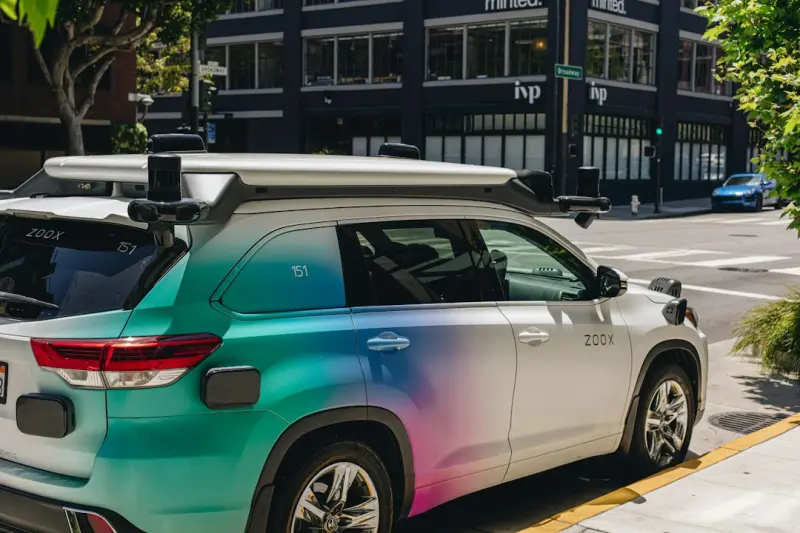
Navigating the Legal Frontier of Autonomous, Connected, and Battery‑Leasing Vehicles
A deep dive into autonomous vehicle liability, data‑privacy obligations for connected cars, and th... Read More
Peer-to-Peer Car Sharing: Unpacking the Legal Minefield
A deep dive into the legal complexities of peer-to-peer car sharing, covering liability, insurance, ... Read More

The Hidden Legal Maze of Car Subscription Services
Vehicle subscriptions promise flexibility, but they hide legal complexities. Learn how to navigate c... Read More
Top Posts

Navigating Tax Complexity for Remote‑First SaaS Companies
Remote‑first SaaS companies face unique tax challenges—from state nexus triggered by remote employees to global digital services taxes. This guide offers pr...Read More

The Quiet Revolution: How Data‑Driven SaaS Is Reducing Impaired Driving Risks
A deep dive into how modern SaaS tools, predictive analytics, and a culture of safety are transforming impaired‑driving prevention from reactive penalties to ...Read More

The Uncharted Legal Frontier of Peer‑to‑Peer Insurance Platforms
A deep dive into the regulatory maze surrounding peer‑to‑peer insurance, offering practical guidance for SaaS founders navigating licensing, data privacy, a...Read More
Search Intent Clusters: A Blueprint for Future‑Proof SEO
Discover the intent cluster methodology—a strategic framework that groups related queries around core business goals, leverages structured data, and creates a...Read More
0 Comments
Post Comment
You will need to Login or Register to comment on this post!