
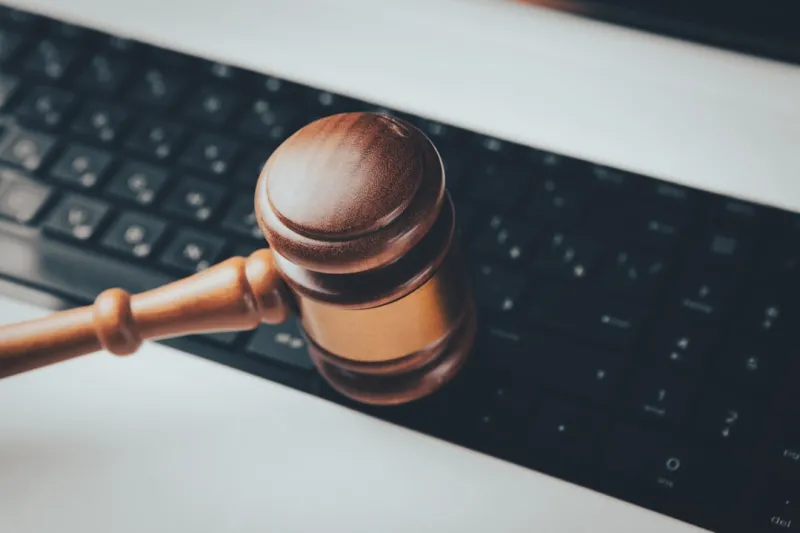
The Digital Evidence Revolution
When I first walked into a courtroom two decades ago, the most sophisticated piece of evidence I could conjure was a handwritten confession. Today, that era feels like a distant memory, replaced by streams of metadata, facial‑recognition snapshots, and algorithm‑generated timelines. As a criminal defense practitioner, I’ve learned to speak the language of data scientists while still protecting my client’s constitutional rights. The challenge isn’t just parsing terabytes of information—it’s interrogating the reliability of the tools that produced it. A single glitch in a GPS log can turn a harmless stroll into an alleged burglary, and a mis‑tagged image can seal a life‑sentence before a jury even hears the defense. This reality forces us to become hybrid lawyers, part technologist, part advocate, constantly asking: who audited the audit? The stakes are higher than ever, and the courtroom has become a battleground where code is as powerful as testimony.
Predictive Policing: Promise and Peril
Predictive policing software promises to allocate resources efficiently, but its deployment raises profound constitutional questions. I’ve seen precincts adopt algorithms that flag “high‑risk” neighborhoods, then dispatch officers in numbers that can intimidate entire communities. The data feeding these models often reflects historic over‑policing, creating a feedback loop that criminalizes the innocent. Defending a client whose arrest stemmed solely from a predictive alert is a unique nightmare—how do you challenge a system that never left a physical fingerprint? The answer lies in demanding transparency: subpoena the code, request validation studies, and expose any bias embedded in training sets. While the technology is marketed as a safety net, without rigorous oversight it becomes a net that captures the vulnerable. As we navigate this frontier, our role expands beyond courtroom advocacy to become watchdogs of algorithmic integrity.
Blockchain and Chain‑of‑Custody
Blockchain was hailed as a tamper‑proof ledger for everything from finance to voting, and its promise has seeped into criminal law. Imagine a digital chain‑of‑custody where each handoff of evidence—whether a seized phone or a forensic report—is recorded immutably. In theory, this eliminates disputes over evidence alteration. In practice, the technology is still nascent, and the courts are skeptical of its admissibility. I’ve had to explain to jurors that a “block” isn’t a physical block, but a cryptographic record that can be verified instantly. When the defense can demonstrate a break in the blockchain, it can cast doubt on the prosecution’s entire case. Yet, we must also guard against over‑reliance on the hype; a poorly implemented blockchain can introduce new vulnerabilities, such as unauthorized access to the ledger itself. Balancing enthusiasm with caution is essential as we integrate this digital safeguard into our evidentiary arsenal.
Social Media Footprints and the Right to Be Forgotten
Every tweet, Instagram story, or TikTok clip can become a weapon in a criminal trial. I’ve represented clients whose past jokes resurfaced years later, weaponized to suggest motive or character. The line between relevant evidence and invasive character assassination is razor‑thin. Courts often wrestle with the “right to be forgotten,” a principle gaining traction in privacy law but still fuzzy in criminal contexts. When a defendant’s old post is unrelated to the alleged crime, we argue for exclusion under Rule 403, emphasizing undue prejudice. Conversely, when a post directly references the incident, it can be probative. The key is context—understanding the timeline, platform algorithms, and audience reach. I counsel clients to audit their digital presence proactively, but I also educate juries on the difference between a casual comment and a deliberate confession. The digital age forces us to reassess what constitutes “relevant” in the age of viral content.
AI‑Generated Deepfakes and the Search for Authenticity
Deepfake technology can fabricate video and audio that is indistinguishable from reality to the untrained eye. In recent months, I’ve encountered cases where prosecutors presented a video allegedly showing my client committing a crime—only to discover it was AI‑generated. The forensic analysis required to debunk a deepfake involves spectral analysis, error level analysis, and often a team of digital forensics experts. While the technology is advancing, so are the tools to detect manipulation. The legal question becomes whether the jury can trust what they see, and whether the prosecution fulfilled its disclosure obligations under the Brady rule. I’ve filed motions to suppress such evidence until its authenticity is proven beyond a reasonable doubt. As deepfakes become more sophisticated, the courtroom must evolve into a place where digital truth is as rigorously examined as any physical clue.
Cross‑Border Cybercrimes and Extraterritorial Jurisdiction
The internet has erased geographic borders, but the law still clings to them. When a hacker in one country attacks a server in another, the question of jurisdiction becomes a legal labyrinth. I’ve represented clients accused under statutes that claim extraterritorial reach, often invoking the “effects test” to justify prosecution. Navigating these cases requires understanding mutual legal assistance treaties, the nuances of sovereign immunity, and the evolving standards of international cyber law. The defense strategy often involves challenging the applicability of the foreign law, arguing that the alleged conduct never occurred on U.S. soil, and highlighting procedural violations in the extradition process. Meanwhile, the prosecution leans on the gravity of the harm caused. The clash underscores the need for clearer international frameworks, but until then, every cyber‑crime case is a diplomatic chess match as much as a courtroom battle.
Sentencing Algorithms and the Quest for Fairness
Risk assessment tools like COMPAS have become staples in pre‑sentencing hearings, promising objective metrics to guide judges. Yet, studies reveal that these algorithms can perpetuate racial bias, assigning higher risk scores to minority defendants even when controlling for criminal history. I’ve fought to have these scores excluded, arguing they violate the Fourteenth Amendment’s guarantee of equal protection. The defense must demand transparency: disclose the proprietary formulas, the data sets used, and the validation studies. When the court denies a request for disclosure, we move to challenge the admissibility on due‑process grounds. Moreover, the human element must not be erased—judges need to weigh algorithmic recommendations against the totality of circumstances. The balance between efficiency and fairness remains a contentious frontier, demanding vigilant scrutiny from every defense attorney.
Technology’s Double‑Edged Sword in Criminal Procedure
From electronic monitoring to body‑camera footage, technology has transformed the procedural landscape of criminal law. While these tools can safeguard rights—recording police interactions and ensuring accountability—they also generate massive data troves that can be subpoenaed, often without clear limits. I routinely encounter defense teams battling over the scope of data requests, arguing that bulk collection violates the Fourth Amendment’s protection against unreasonable searches. The courts are still shaping the rules, balancing law‑enforcement needs against privacy rights. In many cases, we negotiate data sampling agreements, limiting the amount of footage reviewed, or we file motions to suppress data obtained without a warrant. The tension between transparency and overreach is palpable, and each case contributes to the evolving jurisprudence that will define how technology is harnessed—or restrained—in the pursuit of justice.
Looking Ahead: The Lawyer as Tech‑Savvy Advocate
As the criminal law landscape continues to intersect with emerging technologies, the modern defense attorney must wear many hats: technologist, policy analyst, and relentless advocate. Resources like Navigating Criminal Law in the Digital Frontier and Legal Frontiers: How Technology Is Reshaping Family, Employment, and Criminal Law provide valuable roadmaps, but the true learning happens in the trenches of each case. We must stay ahead of the curve, questioning new tools, demanding transparency, and protecting the fundamental rights that define our justice system. In this era where a line of code can decide freedom, the attorney’s role evolves from simply arguing the law to shaping the very standards by which that law is applied. The future will belong to those who can blend legal acumen with a deep understanding of technology, ensuring that progress serves justice rather than undermines it.

Kris Kennel is a Paralegal outside of Austin, Texas where he spends most of his time helping users with legal matters that concern them. When he is not working he enjoys time with his wife and kids.
Related Posts

Inside the Dark Web: Law Enforcement’s New Frontiers Against Online Crime
The dark web has become a sprawling illicit marketplace, forcing law enforcement to blend classic un... Read More

When the Courtroom Goes Virtual: The Rise of Digital Evidence in Criminal Trials
A deep dive into the impact of digital evidence on criminal law, covering admissibility, privacy, AI... Read More

When DNA Tells a New Story: Phenotyping's Role in Criminal Law
DNA phenotyping turns genetic traces into visual leads, redefining investigations while sparking leg... Read More
Top Posts

When Slip‑and‑Fall Meets Social Media: How Modern Evidence Shapes Personal Injury Claims
Social media isn’t just a scrolling pastime—it’s becoming courtroom evidence. Discover how modern tools empower personal injury victims and what lawyers m...Read More

Emerging Trends in Insurance Law: Understanding the Complexities of Liability and Regulation
The insurance industry is undergoing significant changes, driven by advancements in technology, shifts in consumer behavior, and evolving regulatory landscapes....Read More

Biometric Surveillance and Privacy Law: What SaaS Must Know
Biometric data—from fingerprints to heart‑rate monitors—poses unique legal challenges. This article breaks down the evolving privacy regulations, workplac...Read More

Tokenizing Property: Legal Realities of Real Estate on the Blockchain
Tokenizing real estate blends blockchain tech with traditional property law, creating unique compliance hurdles. This guide breaks down securities classificatio...Read More
0 Comments
Post Comment
You will need to Login or Register to comment on this post!