
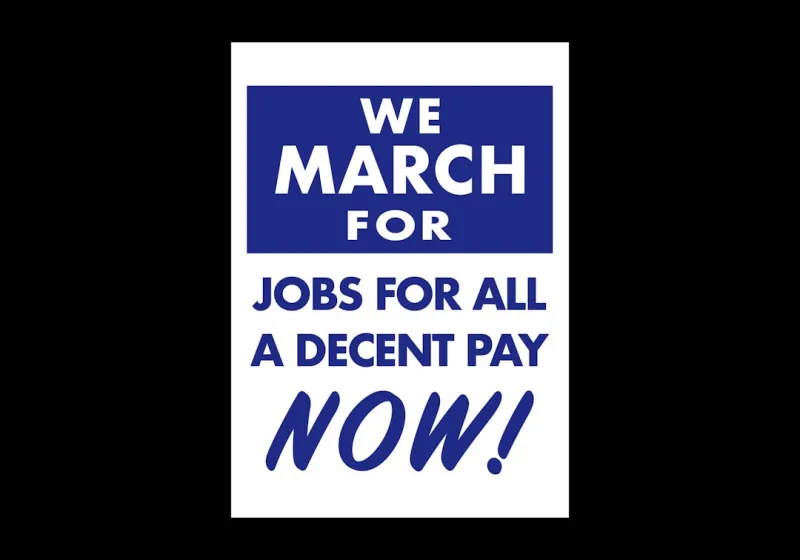
Why 2024 Is the Year Employment Law Gets Personal
When I first walked the hallways of the Labor Relations Department a decade ago, the biggest dispute was whether a coffee break counted as overtime; today, it’s an algorithm deciding if your Zoom‑camera‑off moment is a violation of a “productivity clause.” Employers are racing to embed legal compliance into every line of code, and workers are demanding that those same lines protect their privacy and dignity. As a seasoned employment‑law practitioner, I’ve learned that the law isn’t a static rulebook but a living conversation, and in 2024 that conversation is being hijacked by tech, politics, and a workforce that refuses to stay silent.
The Remote‑Work Classification Conundrum
One of the most electrifying battles this year revolves around the classification of remote workers as independent contractors versus employees, a distinction that determines eligibility for benefits, tax withholdings, and the right to organize. Courts are increasingly looking beyond the contract’s fine print, scrutinizing the degree of control, the provision of tools, and even the cultural expectations set by a company’s Slack channels; the result is a patchwork of rulings that leave HR departments scrambling for a one‑size‑fits‑all policy. To navigate this maze, I often point colleagues to the insightful analysis found in Employment Law in 2024: Kris M. Chen’s Insightful Take on the Shifting Workplace, which distills the emerging trends into actionable steps.
AI‑Powered Surveillance and the New Privacy Frontier
Artificial intelligence has moved from a futuristic buzzword to a daily reality on the shop floor, with employers deploying facial‑recognition time clocks, keystroke‑analysis software, and predictive‑performance dashboards that claim to boost efficiency while “protecting” corporate assets. However, each of these tools raises a cascade of legal questions: Does constant monitoring constitute an invasion of privacy? Are employers obligated to disclose the algorithms they rely on, and can employees challenge biased outcomes in a court of law? I’ve found that framing these concerns through the lens of “digital trespass” resonates with judges, especially when backed by data showing a direct link between invasive monitoring and employee burnout.
Wage Transparency Laws Take Center Stage
State legislatures across the country are enacting bold wage‑transparency statutes that require employers to disclose salary ranges in job postings, prohibit asking about prior compensation, and mandate pay‑equity audits on an annual basis. While the intent is laudable—closing the gender and racial pay gaps—implementation has exposed a new set of compliance headaches, from the risk of inadvertent disclosure of confidential compensation data to the challenge of retroactively adjusting legacy pay structures. Companies that treat transparency as a PR stunt rather than a strategic overhaul find themselves facing a flurry of lawsuits, with plaintiffs leveraging the statutes as a catalyst for broader discrimination claims.
Harassment Policies in the Age of Social Media
The definition of workplace harassment has broadened dramatically as employees increasingly bring their online personas into the office, blurring the line between personal expression and professional conduct. Recent rulings have held that off‑hour tweets, Instagram stories, and even private Discord chats can create a hostile work environment when they reference protected characteristics or propagate hate speech. To stay ahead, I counsel clients to craft policies that explicitly address digital conduct, incorporate clear reporting mechanisms, and provide regular training that reflects the evolving cultural climate; a well‑drafted policy can be the difference between a quick internal resolution and a multi‑million‑dollar settlement. For a deeper dive into how modern harassment claims are shaping litigation strategy, see the recent piece SEO as a Courtroom: How Legal Tactics Are Winning the Search Game in 2024.
The Resurgence of Unions and Collective Bargaining Power
After years of decline, union membership is experiencing an unprecedented resurgence, spurred by a younger workforce that values job security, fair wages, and a voice in decision‑making. The 2024 election cycle amplified this trend, with several high‑profile organizing drives in tech, retail, and gig‑economy sectors drawing national attention and prompting legislative proposals to streamline the certification process. Employers who view unions as an existential threat are instead discovering that proactive engagement—offering transparent wage structures, participatory governance models, and genuine grievance pathways—can defuse conflict and even improve productivity. The legal landscape is shifting, and the courts are increasingly scrutinizing employer bad‑faith bargaining tactics, making it essential for HR leaders to adopt a collaborative rather than combative stance.
Data‑Driven Litigation: The Rise of Predictive Analytics in Employment Disputes
Litigators are now harnessing predictive analytics to forecast the outcomes of discrimination and wrongful‑termination cases, using historic verdict data, juror demographics, and even sentiment analysis of social media chatter. This data‑centric approach is not just a novelty; it influences settlement negotiations, informs trial strategy, and even shapes the drafting of settlement agreements to include clauses that pre‑empt future claims. However, the reliance on algorithms introduces its own legal quandaries: Are these predictive models admissible as expert testimony? Do they perpetuate existing biases embedded in the data they analyze? My advice to firms is to adopt a dual‑track strategy—leveraging analytics for insight while maintaining rigorous human oversight to ensure fairness and compliance.
Looking Ahead: Building a Future‑Ready Employment Law Practice
As we stand at the crossroads of technology, social change, and regulatory overhaul, the employment‑law practitioner of tomorrow must be part lawyer, part technologist, and part cultural anthropologist. This means staying abreast of legislative updates, mastering the nuances of AI‑driven evidence, and cultivating a deep empathy for the diverse workforce that powers every organization. I encourage my peers to read widely, engage with interdisciplinary forums, and—most importantly—listen to the stories of employees who live the consequences of our legal frameworks every day. By weaving together rigorous legal analysis with a human‑centered perspective, we can craft solutions that protect both the bottom line and the dignity of work.

Related Posts

Employment Law Trends: Navigating the New Workplace Landscape
A deep dive into today’s employment law challenges, covering remote work, gig workers, pay equity,... Read More
When Arbitration Becomes the Default: Unpacking Employment Agreements
Mandatory arbitration is reshaping employment disputes. This post breaks down why companies favor it... Read More
Algorithmic Hiring: Navigating the Legal Minefield of AI-Driven Recruitment
A deep dive into the legal challenges of AI-driven hiring, offering practical advice on bias, transp... Read More
Top Posts

Beyond the Courtroom: How Online Dispute Resolution Is Reshaping the Legal Landscape
Online dispute resolution (ODR) is rapidly becoming a strategic tool for law firms and courts, offering speed, cost savings, and new data-driven insights while ...Read More

From Policy to Real‑Time Tech: Building a Zero‑Tolerance Culture for Impaired Driving
A deep dive into combining real‑time monitoring, AI analytics, and clear policies to prevent impaired driving, protect employees, and reduce corporate liabili...Read More

Divorce in the Age of Digital Identity: Untangling Online Lives
A deep dive into the often‑overlooked challenges of separating social media, cloud services, and virtual identities during divorce, with practical guidance fo...Read More

Why Collaborative Divorce Is Reshaping Family Law
Collaborative divorce replaces adversarial litigation with a team‑based, confidential process that emphasizes joint problem‑solving, cost predictability, an...Read More
0 Comments
Post Comment
You will need to Login or Register to comment on this post!