

Why SEO Feels Like a Courtroom Drama in 2024
When I step into a courtroom, I’m reminded that every argument must be meticulously researched, precisely structured, and delivered with confidence—qualities that map almost perfectly onto the world of search engine optimization today, where Google’s algorithms act as the ever‑watchful judge, and each piece of content is a piece of evidence vying for a favorable verdict. As a legal professional turned SEO strategist, I’ve learned to treat keyword research like discovery, technical audits like pre‑trial motions, and backlink outreach as persuasive testimony, all while keeping my client’s brand reputation on the stand, because in the digital arena the stakes are just as high: visibility, traffic, and ultimately, conversions that can make or break a business.
Reading the Latest Algorithmic Rulings
The most recent core update felt less like a random gust of wind and more like a new piece of legislation being rolled out, complete with a pre‑announcement, a grace period, and a slew of interpretive guidance that left many marketers scrambling for clarity, much as practitioners did when the Supreme Court introduced a novel privacy standard last year. In my employment law piece, I explored how legislative shifts demand proactive compliance, and the same principle applies to SEO: anticipate the next “law” of search, adapt your strategy before the official rollout, and you’ll stay ahead of competitors who wait for the final ruling to appear on the search results page.
Building a Winning Content Case File
Just as I would assemble a case file with pleadings, exhibits, and expert testimony, a robust content strategy requires a clear narrative arc, supporting data, and authoritative citations that satisfy both users and algorithms, and that’s why I insist on creating cornerstone articles that serve as the “constitution” of a site’s topical relevance, reinforced by a network of “amendments” in the form of blog posts, infographics, and videos that reference the core piece. My recent guide, Divorce in 2024, demonstrates how a deep dive into a single, high‑stakes topic can attract both niche traffic and mainstream interest, mirroring how a well‑crafted legal brief can persuade a judge and rally a jury simultaneously.
The Technical Audit: A Pre‑Trial Motion
Before any argument can be heard, a lawyer files motions to exclude irrelevant evidence and ensure the courtroom is fit for trial; similarly, a technical SEO audit acts as a pre‑trial motion, identifying crawl errors, duplicate content, and site speed issues that could be dismissed by Google’s “judge” before your content even gets a chance to be heard. I treat site architecture like a jurisdictional map—each silo representing a specific legal domain, each internal link a citation that guides the search engine’s crawlers from one authoritative section to the next, thereby reducing the risk of a “motion to suppress” that would otherwise hide valuable pages from the index.
Link Building as Persuasive Advocacy
In the legal world, a well‑placed precedent can sway a verdict, and in SEO, a high‑quality backlink functions as that precedent, signaling trust and authority to the search engine’s adjudicators; however, just as lawyers must avoid “black‑letter” tactics that violate ethical rules, SEOs must steer clear of link schemes that could lead to a penalty, opting instead for genuine relationship building and thought‑leadership content that earns citations naturally. For a playbook on this approach, see SEO Strategies That Feel Like Legal Tactics, where the author draws direct parallels between courtroom advocacy and ethical link acquisition, underscoring that credibility, not shortcuts, wins the long‑term case.
User Experience: The Jury’s Perception
If a judge’s ruling can be overturned by an appellate court due to procedural errors, a website’s ranking can be derailed by poor user experience signals such as high bounce rates, low dwell time, and sluggish Core Web Vitals, all of which act like an appellate panel questioning the integrity of the original trial; therefore, I prioritize page load speed, mobile‑first design, and intuitive navigation as the “evidence” that convinces the “jury” of the site’s reliability and relevance. By conducting regular usability tests—much like a mock trial—I can uncover friction points before they become fatal errors, ensuring that every visitor feels heard, valued, and compelled to stay, which in turn feeds positive engagement metrics back to the algorithmic “courtroom.”
Structured Data: The Legal Brief of the Web
Just as a well‑formatted brief uses headings, citations, and a clear hierarchy to make arguments digestible for a judge, implementing schema markup provides search engines with a concise “legal brief” of your content, allowing features like rich snippets, FAQs, and knowledge panels to appear in SERPs, thereby increasing visibility and click‑through rates without any extra ad spend; I liken this to filing a motion in the appropriate format, where the correct use of structured data ensures the court (Google) understands the context and relevance of each claim (content piece). When I audit a client’s site, I map every major content type—services, articles, events—to the appropriate schema, much like assigning each argument to a specific legal provision, guaranteeing that the digital “jury” receives a clear, persuasive presentation of facts.
Measuring Success: The Verdict and Appeal Process
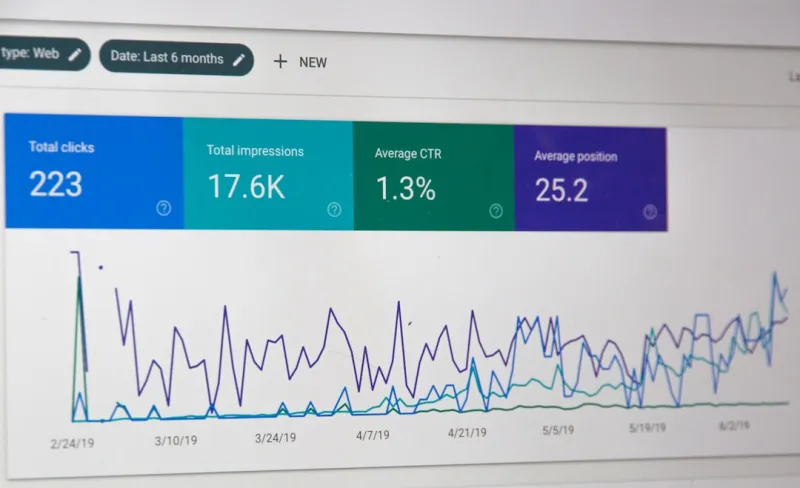
In law, the final verdict is only part of the story; the post‑verdict analysis determines whether to appeal, settle, or enforce, and in SEO the equivalent is a rigorous analytics review that examines organic traffic trends, conversion funnels, and keyword rankings to decide whether to double down on a strategy or pivot to a new approach, all while respecting data‑privacy regulations that act as the modern “protective order” for user information. By integrating privacy‑first tools such as consent‑driven analytics and secure data pipelines, I ensure that my clients’ digital campaigns comply with the latest legal standards, mirroring how a lawyer safeguards client confidentiality while still gathering the evidence needed to win a case.
Looking Ahead: The Future Courtroom of Search
As we move deeper into 2024, the convergence of AI‑generated content, evolving privacy laws, and increasingly sophisticated ranking signals will turn SEO into a dynamic courtroom where adaptability, ethical advocacy, and strategic foresight are the hallmarks of the winning counsel; I plan to continue treating each algorithm update as a new piece of case law, drafting memoranda (content) that anticipate judicial (search engine) interpretation, and leveraging my legal background to navigate the complexities with precision. If you’re ready to transform your digital presence from a passive defendant into a proactive plaintiff, let’s schedule a consultation and start building a strategy that stands up to any search engine scrutiny, because in the end, the best defense is a great offense.

Allison Jarvis is a dynamic digital media and marketing professional dedicated to driving brand growth through impactful storytelling. With a sharp eye for market trends and a passion for data-driven strategies, she specializes in building cohesive online identities that resonate with modern audiences. Allison blends creative content production with robust analytics to maximize engagement and deliver measurable ROI. She continuously explores emerging digital tools to keep her projects ahead of the curve.
Related Posts

Building Authority with Semantic Content Clusters
Discover the power of semantic content clusters—organize topics into pillars and sub‑articles to... Read More

The Rise of Conversational Search: Winning the Voice‑First SERP
A deep dive into conversational SEO for SaaS, covering intent mapping, structured data, AI‑assiste... Read More
The Future of Search Engine Optimization: Trends to Watch
The future of SEO is rapidly evolving. Stay ahead of the curve with our expert analysis on the lates... Read More
Top Posts

Co‑Parenting in the Digital Age: Managing Screens, Schedules, and Legal Boundaries
A deep dive into how digital tools—shared calendars, messaging apps, and location services—affect modern co‑parenting, offering legal safeguards and pract...Read More

Driving the Future: Legal Pitfalls of Car Subscription Services
Car subscriptions promise flexibility, but hidden contract clauses and liability gaps can catch drivers off guard. Discover the key legal pitfalls and actionabl...Read More

Criminal Law in 2024: Navigating Tech, Reform, and the Human Story
Allison Jarvis breaks down 2024’s criminal law trends—from AI sentencing to restorative justice—offering a human‑focused lens on the tech‑driven chang...Read More

Privacy by Design: Legal Must‑Haves for SaaS Leaders
A deep dive into how SaaS companies can turn privacy from a compliance hurdle into a strategic advantage by adopting privacy‑by‑design principles, navigatin...Read More
0 Comments
Post Comment
You will need to Login or Register to comment on this post!