

Why Impaired Driving Is No Longer Just a Personal Issue
When an employee steps out of a client dinner, a team‑building happy hour, or a company‑sponsored celebration, the responsibility for safe travel doesn’t end at the parking lot. The ripple effects of an impaired‑driving incident can hit the entire organization – from costly lawsuits and insurance spikes to irreparable brand damage. In today’s litigious, hyper‑connected world, companies that treat “after‑hours” as a gray zone are exposing themselves to avoidable risk.
The Hidden Cost Curve: From One Slip to Corporate Liability
Most executives think of impaired driving as a personal mistake. The reality is more complex:
- Legal exposure: If an employee’s intoxication leads to an accident while driving a personal vehicle, the employer can still be implicated under the doctrine of vicarious liability or through negligent hiring and supervision claims.
- Insurance premiums: Commercial auto policies, workers’ compensation, and general liability carriers all watch for patterns of after‑hours incidents. A single claim can push rates up by 15‑30%.
- Reputation risk: Social media amplifies every misstep. A single video of a “company‑sponsored” driver swerving can become a PR nightmare overnight.
Because of these stakes, forward‑thinking firms are shifting from reactive “what if” to proactive, data‑driven safety programs.
Redefining Policy: From Blanket Bans to Smart, Contextual Rules
Outright bans on after‑hours driving (e.g., “no employee may drive after 6 p.m.”) are well‑meaning but often unrealistic. Instead, consider a tiered policy framework that aligns responsibility with risk:
- Event‑Specific Transportation Plans: For any company‑hosted function where alcohol is served, mandate a pre‑arranged transportation plan – rideshare vouchers, designated driver rosters, or on‑site shuttle services.
- Post‑Event Check‑Ins: Use a simple, non‑intrusive app prompt asking employees to confirm safe arrival. A “Yes, I’m home safe” click can be logged for compliance without invading privacy.
- Conditional Coverage Extensions: Offer optional corporate rideshare credits for employees who opt‑in, turning a cost center into a risk mitigator.
This approach respects adult autonomy while creating a safety net that the organization can legally lean on if an incident occurs.
Technology as the New Co‑Driver
Technology isn’t just about breathalyzers or dash cams any more. Modern solutions integrate with the very ecosystem that companies already manage:
- Telematics & connected car data: By partnering with fleet telematics providers, employers can receive real‑time alerts on risky behaviors – rapid accelerations, hard braking, or unusually long idle times that often correlate with impaired driving.
- AI‑Powered Risk Scoring: Machine‑learning models can weigh factors such as recent travel distance, time of day, and local incident statistics to flag high‑risk trips for additional oversight.
- Secure Rideshare Integration: Some rideshare platforms now expose an API that lets businesses automatically dispatch a driver when an employee checks into an event location and indicates they’ll be drinking.
When these tools are embedded into HR or travel‑expense platforms, they become part of the everyday workflow rather than an after‑thought.
Legal Landscape: What Employers Need to Know
While the tech and policy pieces are vital, the legal backdrop dictates how far a company can go without overstepping privacy or labor rights. Key considerations include:
1. Vicarious Liability and the “Duty of Care” Doctrine
Courts have increasingly recognized that employers owe a duty of care that extends beyond the office walls, especially when the employee is acting in a capacity that benefits the business (e.g., traveling to meet a client). If an employer knew about an employee’s propensity for impaired driving and failed to act, liability can attach.
2. Privacy Constraints
Collecting location data or alcohol‑use disclosures must be balanced against privacy statutes (e.g., GDPR, CCPA). The safest route is to use opt‑in mechanisms and keep data anonymized unless a concrete safety need arises.
3. Workers’ Compensation vs. General Liability
If an employee is injured while driving under the influence after work, workers’ comp may cover medical expenses, but the employer could still face a separate claim from third parties. Understanding the overlap helps shape insurance negotiations.
Case Study: A Tech Firm’s “Zero‑Tolerance” Shift
Consider the mid‑size SaaS company “Nimbus Labs.” After a senior engineer was arrested for a DUI following a company retreat, Nimbus overhauled its approach:
- Implemented a mandatory pre‑event rideshare budget for any gathering where alcohol was on the agenda.
- Adopted a telemetry partnership with their vehicle‑fleet vendor, which flagged any post‑event trips exceeding 30 mph on local streets and prompted a “Check‑in” notification.
- Added a clause in the employee handbook: “Failure to use provided transportation after company‑sponsored events may result in disciplinary action, up to termination.”
Within six months, Nimbus saw a 70% drop in after‑hours incident reports and negotiated a 12% reduction in their commercial auto premium. Moreover, the internal culture shifted – employees reported feeling “cared for” rather than “policed,” a testament to the importance of framing policies as safety measures, not punitive rules.
Integrating Policy with Existing Legal Content
For companies already navigating the complexities of automotive law, tying new impaired‑driving safeguards to existing resources can reinforce compliance. For example, the insights from software updates and liability highlight how manufacturers are increasingly responsible for vehicle software that can detect impairment. Aligning corporate policies with these industry shifts ensures that your organization stays ahead of regulatory expectations.
Beyond Cars: The Rise of Micro‑Mobility and New Risks
With scooters and e‑bikes populating downtown corridors, the definition of “driving” is expanding. Employees who opt for a micromobility ride after a drink can still cause serious injuries, and liability follows similar patterns to traditional vehicles. Companies should therefore:
- Include e‑scooter and e‑bike safety in their after‑hours transportation policy.
- Partner with micromobility providers that offer corporate accounts and real‑time usage data.
- Educate staff about local regulations – many cities treat e‑bike operation under the influence as a misdemeanor.
Building a Culture of Accountability
Policies and tech tools only work when they’re underpinned by a genuine cultural commitment. Here are three practical steps to embed that mindset:
- Leadership Modeling: Executives should publicly use the same transportation options they require of staff. A CEO who rides a rideshare after a conference sends a powerful signal.
- Storytelling: Share anonymized case studies (like Nimbus Labs) in internal newsletters to illustrate the tangible benefits of safe travel.
- Recognition Programs: Reward teams that consistently log safe arrivals or that organize “designated driver” rotations during events.
Measuring Success: Metrics That Matter
To justify the investment, track these key performance indicators (KPIs):
| Metric | Why It Matters |
|---|---|
| Number of post‑event safety check‑ins logged | Shows employee engagement with the policy. |
| Incidents involving employee‑driven vehicles | Direct measure of risk reduction. |
| Insurance premium changes year‑over‑year | Financial ROI. |
| Employee satisfaction scores on safety culture | Links policy to morale. |
Regularly reviewing these numbers helps fine‑tune the program and provides concrete data for board‑level discussions.
Future Outlook: Autonomous Vehicles and the Evolving Duty
As the industry moves toward higher levels of vehicle autonomy, the question “who is driving?” becomes more nuanced. Even with a Level 3 system that can handle most situations, the human occupant may still be legally responsible for maintaining sobriety. Companies should stay vigilant, ensuring that any autonomous‑vehicle allowances in fleet policies include clear stipulations about substance use.
Takeaway Checklist
To wrap up, here’s a quick, actionable checklist for any organization looking to curb impaired driving among its workforce:
- Audit existing after‑hours event policies for gaps.
- Introduce mandatory transportation planning for any alcohol‑involved gathering.
- Leverage telematics and connected‑car data to monitor high‑risk trips.
- Integrate rideshare APIs for seamless, on‑demand safe travel.
- Update employee handbooks with clear, legally vetted language on after‑hours driving expectations.
- Educate staff on micromobility risks and local regulations.
- Track safety check‑ins, incident rates, and insurance cost trends.
- Promote leadership involvement and recognize safe‑travel champions.
By treating impaired driving as a shared corporate responsibility, you protect your people, your bottom line, and your brand reputation – all while fostering a culture where safety truly drives business success.

Kris M. Chen is a dedicated legal paralegal based in Texas, specializing in delivering comprehensive case management and litigation support. Known for a meticulous approach to legal research and document preparation, Kris plays a vital role in navigating complex legal workflows and ensuring seamless trial preparation.
Related Posts

Beyond the Breathalyzer: Leveraging Tech and Community to End Impaired Driving
A deep dive into how emerging technologies, data-driven policies, and grassroots initiatives can res... Read More
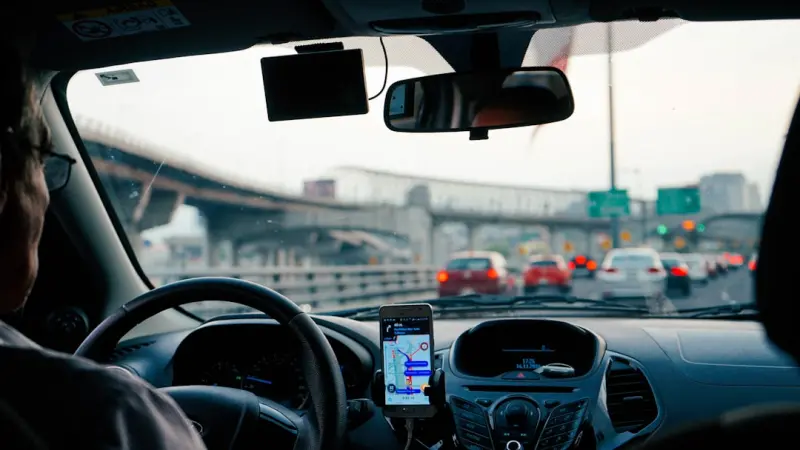
Beyond Breathalyzers: How Wearable Tech is Shaping Impaired Driving Accountability
A deep dive into wearable technology’s role in impaired driving prevention, covering privacy, evid... Read More

How Ride‑Share Platforms Can Lead the Fight Against Impaired Driving
Ride‑share platforms hold a unique position to prevent impaired driving through data‑driven dete... Read More
Top Posts

Beyond the Courtroom: Building a Child‑Centric Custody Strategy
A practical guide to designing a custody plan that puts your child’s wellbeing first, blends legal safeguards, financial planning, and mindful co‑parenting....Read More

Why Parenting Styles Matter More Than Courts in Custody Battles
This article examines the critical role of parenting styles in child custody decisions, offering practical guidance on crafting parenting plans, communicating w...Read More

Medical Law in 2024: Margaret Strawbridge’s Insider Perspective on the Biggest Shifts
Margaret Strawbridge breaks down the 2024 medical law landscape, covering telemedicine, AI diagnostics, data privacy, and cross‑border care, offering practica...Read More
Gig‑Economy Insurance: How the Law is Catching Up with the On‑Demand Workforce
The gig economy has outpaced traditional insurance models, leaving workers and platforms exposed. This article examines the insurance gaps, platform liability, ...Read More
0 Comments
Post Comment
You will need to Login or Register to comment on this post!