

Why Traditional SEO Playbooks Are Crumbling
When I first dove into search engine optimization, the rulebook felt like a concrete slab: focus on keywords, earn backlinks, and watch rankings climb. That certainty has evaporated as AI-generated content floods the SERPs, search algorithms learn to reward relevance over repetition, and user intent morphs faster than any textbook can capture. The new reality demands a strategy that blends data science, narrative agility, and a keen eye on emerging technology, or else you’ll watch competitors sprint past you in the crawl space of Google’s index.
Data‑Driven Content Clusters: The New Pillar
Instead of scattering individual posts across a keyword list, I now map entire clusters around a core concept, letting each piece support the others through internal linking and semantic relevance. This approach not only satisfies search crawlers that love topical depth, it also mirrors how users naturally explore a subject, moving from broad overviews to niche details. By anchoring every cluster with a comprehensive pillar page, you create a self‑reinforcing authority hub that Google’s E‑E‑A‑T framework can readily recognize.
AI‑Assisted Research Without Falling Into the Deepfake Trap
Artificial intelligence can sift through terabytes of data in minutes, surfacing trending topics, latent queries, and competitor gaps you’d otherwise miss. Yet the same technology fuels deepfake detection tools that expose fabricated content, reminding us that not every AI‑generated insight is trustworthy. I balance machine efficiency with human verification, cross‑checking sources and ensuring the narrative remains authentic, because search engines increasingly penalize content that feels “synthetically assembled.”
Structured Data: Turning SERP Real Estate Into Click‑Magnet Real Estate
Schema markup is no longer a nice‑to‑have; it’s a necessity for carving out premium real‑estate on the search results page. By tagging FAQs, how‑to steps, and product specifications, you give Google the exact signals it needs to render rich snippets that stand out in a sea of blue links. Those enhanced listings boost click‑through rates dramatically, and the extra user engagement signals back into the ranking algorithm, creating a virtuous cycle of visibility and traffic.
E‑E‑A‑T in Practice: Building Trust With Transparent Data Policies
Google’s emphasis on Experience, Expertise, Authority, and Trust forces us to treat every piece of content as a contractual promise to the reader. One practical way to reinforce trust is by openly publishing your data collection and privacy practices, which dovetails with the growing user concern for employee data rights. When users see that you respect privacy, they’re more likely to linger, share, and return—behaviors that search engines interpret as quality signals.
Link‑Building Reimagined: Quality Over Quantity in an AI‑Heavy Landscape
Back in the day, a spreadsheet of 100 low‑quality backlinks could boost rankings, but today Google’s algorithm discerns link intent with laser precision. I now focus on earning contextual, editorial links from sites that share a genuine audience overlap, such as industry podcasts, niche newsletters, and collaborative research reports. These high‑caliber endorsements act as confidence votes, reinforcing the semantic relevance of your content clusters while keeping your backlink profile clean and sustainable.
Measuring Success With Multi‑Dimensional KPIs
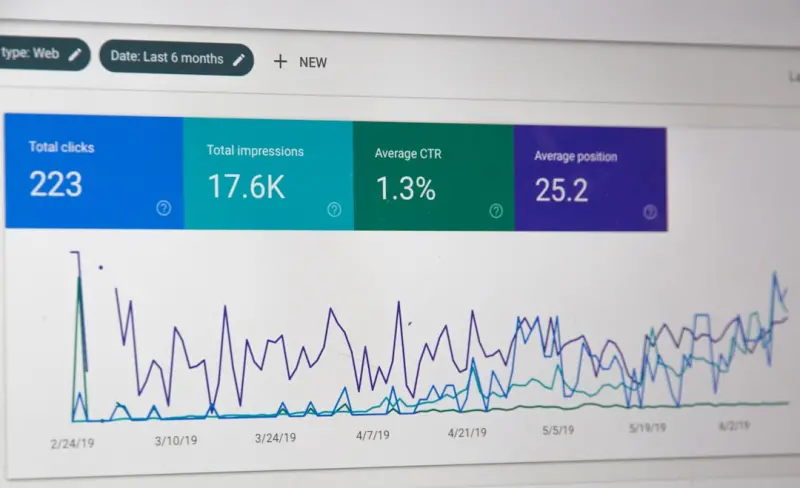
Page views and bounce rates tell only half the story; the modern SEO dashboard must integrate SERP feature impressions, dwell time, and brand sentiment analysis. I supplement Google Analytics with AI‑driven tools that surface micro‑trends—like a sudden surge in “how to secure remote freelancer tax hacks”—allowing us to pivot content production in near real‑time. By aligning these multi‑dimensional KPIs with business objectives, you ensure that SEO remains a revenue‑generating engine rather than a vanity metric exercise.
Scaling the Strategy: Remote Teams and Automated Workflows
As SEO teams become more distributed, the workflow must be both collaborative and automated. I leverage cloud‑based content calendars, AI‑assisted editorial briefs, and automated schema validators to keep the content pipeline moving at scale without sacrificing quality. For remote freelancers, these systems act like a safety net, ensuring that every piece of copy meets the same rigorous standards for relevance, accuracy, and technical compliance.
The Road Ahead: Embracing Continuous Evolution
The only constant in search is change, and the most resilient marketers treat their SEO strategy as a living organism—always testing, learning, and evolving. By anchoring your approach in data‑driven clusters, ethical AI use, structured data, and genuine authority signals, you’ll stay ahead of algorithmic shifts and user expectations alike. In this fast‑moving arena, adaptability isn’t just a competitive advantage; it’s the survival skill that separates the winners from the digital dust.

I am Madden Persons, a content writer and digital influencer dedicated to crafting impactful stories and building authentic online connections. With a strategic approach to content creation, I develop engaging articles, digital campaigns, and social media narratives that help brands elevate their online presence and connect meaningfully with their target audiences.
Passionate about modern digital trends and audience engagement, I specialize in translating complex ideas into compelling content that sparks conversation, drives results, and strengthens brand identity.
Related Posts

The SEO Playbook for a Rapidly Changing Search Landscape
Explore the latest SEO tactics—from AI impact to technical health—that will keep your site ahead... Read More

From Keywords to Context: Mastering SEO in an AI-First Web
Learn to shift from keyword‑centric tactics to a context‑driven SEO framework that leverages str... Read More
Semantic Content Clusters: The New Frontier for Voice Search
Discover a step‑by‑step framework for creating semantic content clusters that align with voiceâ€... Read More
Top Posts

Navigating the Legal Frontier of Metaverse Real Estate
The metaverse is booming, but virtual land transactions bring complex legal issues. This article breaks down ownership, zoning, taxes, IP, compliance, and dispu...Read More

When Your Deployment Pipeline Becomes a Time Bomb
Deployments can feel like a victory lap, but hidden feature flags, shadow IT scripts, and infrastructure drift often turn them into ticking time bombs. This pos...Read More

Telehealth Malpractice: Navigating the New Frontiers of Medical Law
A deep dive into the evolving legal landscape of telemedicine, covering liability, licensing, consent, privacy, and actionable guidance for providers....Read More

Why Grandparents Are the Unsung Heroes of Modern Family Law
Grandparents are stepping into pivotal legal roles, from visitation rights to financial support, reshaping modern family law. This article examines court trends...Read More
0 Comments
Post Comment
You will need to Login or Register to comment on this post!