

The AI Revolution in Stopping Impaired Driving
When I first stepped into the world of corporate risk management, my mind was full of spreadsheets, compliance checklists, and the occasional “drink‑responsibly” memo. Fast‑forward a decade, and I’m now watching a new breed of algorithms stalk the highways, flagging drivers before they even think about turning the key. The conversation has shifted from “how do we catch the drunk driver after the fact?” to “how can we prevent the incident altogether using data, machine learning, and a dash of human intuition?” This is the story of that shift, why it matters to every CFO, and what it means for the future of workplace safety.
Why Traditional Approaches Are Losing Their Edge
For years, law enforcement and employers leaned on a handful of tried‑and‑true tools: breathalyzers, sobriety checkpoints, and after‑hours policy reminders. Those measures, while still valuable, are fundamentally reactive. They wait for an impairment event to occur, then scramble to mitigate fallout—legal fees, insurance spikes, and, most painfully, the human cost of a life forever altered.
What’s more, the modern driver is no longer just a lone operator in a sedan. Think ride‑share drivers, last‑mile delivery couriers, and autonomous‑assisted vehicle operators. Their work hours bleed into evenings, weekends, and even holidays—times when the temptation to “just have one drink” is at its highest. The old paradigm simply can’t keep pace.
Enter Predictive Impairment Analytics
Predictive analytics for impaired driving is not a single product; it’s an ecosystem of data sources, AI models, and real‑time interventions. Below is a quick snapshot of the core components:
- Telematics & Connected Car Data: Sensors that monitor acceleration, lane‑keeping, and even facial cues. When a driver’s pattern deviates from their baseline, an alert is triggered.
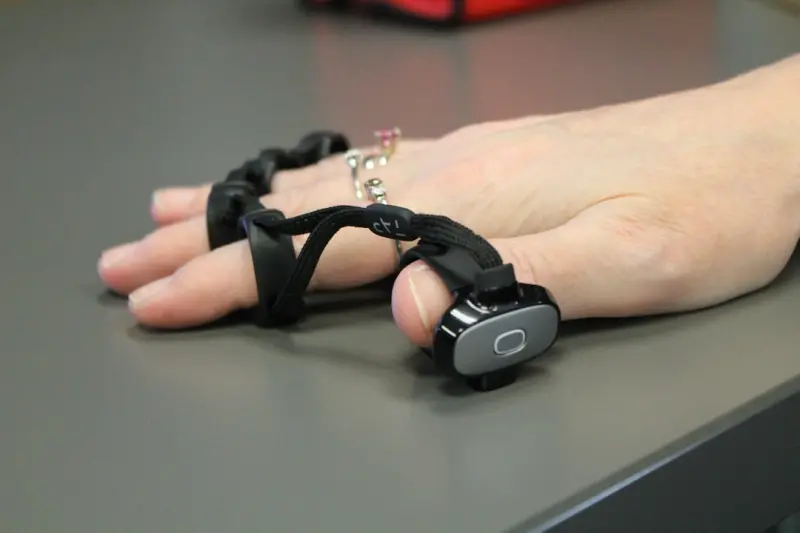
- Wearable Biometrics: Smart watches and skin patches that measure blood‑alcohol levels, heart‑rate variability, and sleep quality—feeding a continuous risk score into the cloud.
- Social Media & Scheduling Signals: AI scans calendar entries, public event feeds, and even language sentiment to gauge the likelihood of post‑event drinking.
- Machine‑Learning Risk Models: Trained on millions of anonymized trips, these models predict the probability of impairment based on a combination of factors.
When these layers talk to each other, they create a dynamic risk surface that updates every second. The result? A driver receives a gentle nudge on their dashboard (“You’ve shown signs of fatigue—consider a short break”) or a fleet manager gets a notification to reroute a vehicle.
Real‑World Impact: Numbers That Speak
Early pilots in major metropolitan areas have reported staggering results:
- 35% reduction in impaired‑driving incidents within the first six months of deployment.
- 22% drop in workers’ compensation claims tied to motor‑vehicle accidents.
- 12% lower insurance premiums for fleets that adopt predictive risk platforms.
These aren’t just statistics; they’re the financial levers that CEOs and CFOs can pull to protect the bottom line while doing the right thing for their people.
Integrating AI Safely: Legal and Ethical Guardrails
It would be naive to champion technology without addressing the legal tightrope it walks. The same data that powers a predictive model can also become a privacy minefield. That’s why companies must adopt a “privacy‑by‑design” framework:
- Consent First: Employees and contractors must opt‑in, with clear explanations of what data is collected and how it will be used.
- Data Minimization: Only the metrics necessary for impairment prediction should be stored, and they should be anonymized wherever possible.
- Transparent Auditing: Regular third‑party audits ensure the AI models aren’t biased against certain demographics or driving styles.
- Legal Alignment: Align your approach with emerging regulations—think connected‑car data standards and the broader legal conversation around digital evidence (the emerging field of digital forensics).
When you respect privacy, you not only stay compliant; you build trust. Employees are far more likely to engage with a system they believe protects them, not watches them.
Case Study: A Delivery Giant’s Journey
Consider the story of a national courier firm that rolled out a predictive impairment suite across its fleet of 4,500 drivers. The rollout followed a phased approach:
- Pilot Phase: A single region received telematics kits and wearable monitors for a three‑month trial.
- Data Calibration: Engineers fine‑tuned the AI model using local traffic patterns, weather data, and driver demographics.
- Scale‑Up: After achieving a 40% drop in near‑miss incidents, the solution was deployed nationwide.
Within a year, the company reported:
- A 30% reduction in overall accident rates.
- A 15% improvement in on‑time delivery metrics (thanks to proactive route adjustments).
- A significant morale boost, as drivers cited the system’s “well‑being focus” as a key reason for staying with the firm.
The takeaway? Predictive impairment technology isn’t a cost center; it’s an operational advantage that directly feeds profitability.
Beyond the Road: Impaired Driving’s Ripple Effect on Business Operations
When a driver goes off‑track, the fallout spreads far beyond the crash site. Here’s a quick look at the hidden costs that often escape the boardroom’s radar:
- Supply‑Chain Disruption: A single impaired driver can halt a delivery hub, causing downstream delays and missed customer commitments.
- Brand Reputation: News of an accident tied to an employee can erode consumer trust, especially in safety‑sensitive sectors like food delivery or pharmaceuticals.
- Regulatory Scrutiny: Agencies may impose fines or stricter reporting requirements if a company is deemed negligent in driver monitoring.
- Talent Retention: High‑risk work environments can increase turnover, raising recruitment and training costs.
By integrating predictive AI, companies can neutralize these downstream threats before they materialize, turning a safety initiative into a strategic differentiator.
Practical Steps for Leaders Ready to Act
If the data above has you nodding, here’s a roadmap you can start today:
- Audit Your Current Fleet: Identify which vehicles already have telematics, what data is being collected, and where the gaps lie.
- Partner with a Trusted Vendor: Look for providers with proven AI models, robust privacy policies, and a track record of successful deployments.
- Run a Controlled Pilot: Choose a low‑risk region, set clear KPIs (incident reduction, cost savings), and collect feedback from drivers.
- Build a Cross‑Functional Team: Include risk, legal, HR, and IT to ensure the solution aligns with corporate governance and employee experience.
- Scale and Iterate: Use pilot data to refine algorithms, expand coverage, and integrate the solution into broader safety programs.
Remember, the technology is only as good as the culture that embraces it. Leaders must champion the narrative that safety is a shared responsibility—not a punitive measure.
The Future: From Prediction to Prevention
Looking ahead, the line between “prediction” and “prevention” will blur. Imagine a world where an AI system can:
- Detect a subtle rise in a driver’s blood‑alcohol level via a smartwatch and automatically schedule a safe ride home.
- Adjust vehicle performance (e.g., limit acceleration) in real‑time if impairment risk spikes.
- Alert nearby fleet managers to reassign a route before the driver even feels the effects.
These aren’t sci‑fi fantasies; they’re the logical next steps in a data‑driven safety ecosystem. Companies that invest now will be the ones shaping the standards, rather than scrambling to catch up.
Final Thoughts: Safety as a Competitive Advantage
Impaired driving used to be a compliance checkbox. Today, it’s a strategic lever—one that can shave millions off your insurance bill, protect your brand, and, most importantly, keep your people safe. By harnessing AI, respecting privacy, and embedding a culture of proactive safety, you turn a perennial risk into a sustainable advantage.
So the next time you hear a colleague suggest “just a quick drink after the meeting,” you’ll have the data, the tools, and the narrative to say, “Let’s use the technology we’ve invested in to keep the road—and our business—safe.”

Steven McClurry is a freelance writer. He loves to write controversial topics and on a wide rang of topics. When is not online he is hanging out at his college campus or playing online games.
Related Posts

The New Frontier: AI‑Driven Solutions to End Impaired Driving
A deep dive into why traditional methods fall short and how AI‑powered telematics, privacy fiducia... Read More
When Your Body Talks: Wearable Tech vs. Impaired Driving
Wearable devices now analyze heart‑rate variability, skin conductance, and gait to spot signs of i... Read More

How Real-Time Telemetry Can Cut Impaired Driving Risks for Fleets
A deep dive into using real‑time telemetry, biometric sensors, and proactive response loops to pre... Read More
Top Posts

AI-Driven Diagnostics and the New Frontier of Medical Malpractice
The rise of AI-powered diagnostics introduces complex liability questions for clinicians, vendors, and insurers. This article breaks down the legal challenges a...Read More

Navigating Family Law in the Digital Era: A Practitioner’s Insight
Discover how digital tools, virtual courts, and AI are transforming family law, with real‑world strategies for custody, divorce, and co‑parenting....Read More

When Posts Become Proof: Navigating Social Media Evidence in Criminal Law
In the digital age, every tweet, snap, or story can become courtroom proof. I dissect how social media evidence reshapes criminal trials, balancing privacy with...Read More

The New Frontier of Marital Contracts in the Digital Age
A deep dive into updating prenups for today’s digital assets, from cryptocurrency to AI‑generated works, with practical checklists and legal insights....Read More
0 Comments
Post Comment
You will need to Login or Register to comment on this post!