

When I first stepped onto a rain‑slicked highway at three in the morning, the world seemed to tilt in ways that no sober mind could explain. The experience left an indelible mark, and it’s why I spend my days dissecting the latest twists in impaired‑driving law. This isn’t a lecture about “don’t drink and drive” – that’s been said a thousand times. Instead, I’m pulling back the curtain on three under‑the‑radar shifts that are reshaping how we define, detect, and deter impairment behind the wheel.
The Data Deluge: Black‑Box Telemetry as the New Witness
Every modern vehicle is a rolling data hub. From accelerometers that track g‑forces to cameras that log forward‑facing views, manufacturers are embedding sensors that can reconstruct a crash with forensic precision. Until recently, this data was largely the domain of manufacturers and insurers. Now, defense attorneys, prosecutors, and even municipal courts are treating telemetry as a primary witness in impaired‑driving cases.
Imagine a scenario where a driver is pulled over for suspected DUI. Traditionally, law enforcement relied on breathalyzer results and field sobriety tests – tools that are notoriously susceptible to human error and environmental variables. Today, an officer can request the vehicle’s Event Data Recorder (EDR) to retrieve a timeline of throttle position, steering input, and brake pressure for the five minutes preceding the stop. If the data shows erratic steering, sudden acceleration, and a failure to maintain lane position, that digital footprint can corroborate—or challenge—traditional evidence.
But there’s a legal paradox. While telemetry can paint a vivid picture of driver behavior, it also raises privacy concerns that echo the debates surrounding facial‑recognition privacy law. Drivers argue that their vehicle’s data belongs to them, not to the state. Courts are now wrestling with questions like:
- Consent: Did the driver explicitly agree to share real‑time driving data with law enforcement?
- Scope: Is it permissible to extract data for a five‑minute window, or does the request become a fishing expedition?
- Chain of Custody: How do we ensure the integrity of digital evidence from the vehicle’s hard drive to the courtroom?
These issues aren’t academic. In a recent case I consulted on, the defense successfully suppressed EDR data because the officer had not obtained a warrant. The judge ruled that, absent a clear statutory provision, the driver’s expectation of privacy in vehicle telemetry outweighed the state’s interest. The outcome forced prosecutors to rethink their investigative playbook, emphasizing the need for proper warrants or driver consent forms before tapping into a car’s digital memory.
Wearable Tech: The Personal Safety Net That’s Going Corporate
Wearables have been a hot topic in personal injury law, especially after the Tech‑Savvy Personal Injury series highlighted how smart watches can trigger liability claims. In the realm of impaired driving, wearables are emerging as a proactive defense—not just a post‑accident evidence source.
Companies are now rolling out “safety‑first” programs that issue employees a wristband capable of detecting blood‑alcohol content (BAC) via transdermal sensors. The device continuously monitors the wearer’s BAC and can send an automatic alert to a fleet manager if levels exceed a predefined threshold. Some platforms even integrate with the vehicle’s ignition system, preventing the engine from starting until the wearer’s BAC drops below the legal limit.
This technology is a double‑edged sword. On one hand, it provides a tangible safety net that can reduce accidents and lower insurance premiums. On the other, it introduces complex liability questions:
- Employer Responsibility: If a driver’s wearable indicates elevated BAC but the employee still operates the vehicle, can the employer be held negligent?
- Data Ownership: Who owns the biometric data—the employee, the employer, or the wearable manufacturer?
- Accuracy: Transdermal sensors have a lag time compared to breathalyzers. How does the law treat false positives or delayed readings?
In practice, I’ve seen firms negotiate contractual clauses that limit employer liability to “reasonable reliance” on wearable data, mirroring the “reasonable suspicion” standard used in law enforcement. However, as the technology matures and adoption widens, courts may tighten the standards, especially if a pattern emerges linking wearable alerts to preventable crashes.
Ride‑Share Platforms: Redefining the “Driver” in Impaired Driving
When I think of impaired driving, my mind first goes to the lone individual behind the wheel. Yet, the rise of gig‑economy ride‑share services has shifted the paradigm. The driver is no longer a private citizen but a contractual agent of a platform that monetizes every mile.
Ride‑share companies have responded with a layered approach:
- Pre‑Trip Screening: Mandatory background checks now include a review of prior DUI convictions. Some platforms even require a recent breathalyzer test before onboarding.
- In‑Trip Monitoring: Real‑time GPS analytics detect abnormal driving patterns—rapid acceleration, excessive lane changes, or erratic speed fluctuations—that could indicate impairment.
- Post‑Trip Accountability: Drivers flagged for potential impairment face immediate deactivation, and the platform may withhold earnings pending investigation.
The legal implications are profound. In a landmark ruling last quarter, a plaintiff sued a ride‑share giant after a driver, later found to be intoxicated, caused a multi‑vehicle collision. The jury awarded damages not only against the driver but also the platform, citing “negligent entrustment.” The court reasoned that the company’s failure to implement real‑time monitoring constituted a breach of its duty to protect passengers and third‑party road users.
This decision sent shockwaves through the industry, prompting a wave of policy upgrades. Companies are now integrating “impairment detection algorithms” that cross‑reference driver behavior with local traffic stop data (when available) to flag high‑risk individuals. While the technology is still embryonic, the legal landscape suggests that platforms will soon be expected to act as “reasonable guardians” of road safety, not just passive marketplaces.
Insurance Evolution: From Reactive Claims to Predictive Risk Management
Insurance carriers have historically responded to impaired‑driving incidents with post‑accident claims handling. Today, they’re flipping the script, leveraging AI and predictive analytics to price policies based on real‑time driver behavior. This shift mirrors trends discussed in the SaaS‑Insurance Playbook, where data‑driven risk models are redefining coverage.
Consider a usage‑based insurance (UBI) model that integrates a driver’s telematics data—speed, braking patterns, and even time of day. If a policyholder frequently drives late at night, the algorithm may infer a higher likelihood of impaired driving and adjust premiums accordingly. Some insurers are even offering “sober‑driving discounts” for drivers who consistently pass in‑vehicle breathalyzer checks.
Critics argue that such models could penalize certain demographics unfairly, raising discrimination concerns. Moreover, the accuracy of AI‑driven predictions is only as good as the data fed into them. False positives could lead to unjust premium hikes, while false negatives could leave insurers exposed to costly claims.
From a legal standpoint, the emerging tension lies in balancing actuarial fairness with due process. Policyholders are increasingly demanding transparency: “Why was my premium increased? Show me the data.” Regulators are beginning to draft guidelines mandating that insurers disclose the criteria used in AI underwriting, echoing broader calls for algorithmic accountability across industries.
What’s Next? A Roadmap for Stakeholders
Impaired driving is evolving from a static legal problem to a dynamic ecosystem where data, technology, and human behavior intersect. Below is a concise roadmap for the key players:
- Law Enforcement: Invest in training to request and interpret vehicle telemetry legally; develop protocols for obtaining warrants where necessary.
- Employers & Fleet Managers: Evaluate wearable technology for safety, but draft clear policies that address data ownership and liability thresholds.
- Ride‑Share Platforms: Adopt real‑time monitoring tools; establish transparent driver‑deactivation processes; collaborate with regulators on “reasonable guardian” standards.
- Insurers: Prioritize transparency in AI underwriting; create opt‑out mechanisms for drivers uncomfortable with constant monitoring.
- Legislators: Craft statutes that balance privacy with public safety, possibly establishing a uniform framework for vehicle data access in impaired‑driving investigations.
These steps aren’t a silver bullet—no single solution will eradicate impaired driving overnight. Yet, by embracing a data‑centric, collaborative approach, we can tilt the odds in favor of safety without sacrificing civil liberties.
In the end, the road ahead is still fraught with twists and turns. But as we harness technology responsibly, the hope is that the only thing “cloudy” about our highways will be the occasional fog, not the impaired judgments of those behind the wheel.

Liam James Professor with a PHD. & content creator with a passion for sparking curiosity and sharing knowledge. Driven by the joy of learning and storytelling, I bring ideas to life in every project. Always exploring, always teaching.
Related Posts

Predictive Analytics: Turning Impaired Driving from Crisis to Managed Risk
Impaired driving is no longer just a post‑accident issue; predictive analytics let companies spot ... Read More
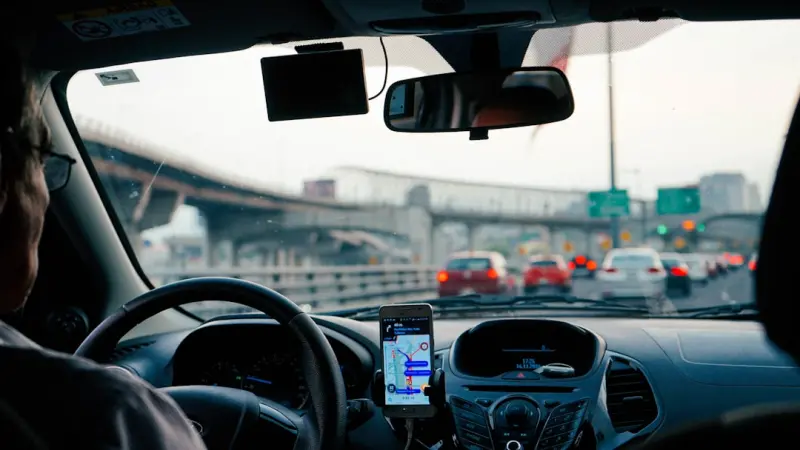
Rethinking Impaired Driving Policies for the Gig Economy
The gig economy demands a fresh approach to impaired driving, blending real‑time telemetry, compre... Read More
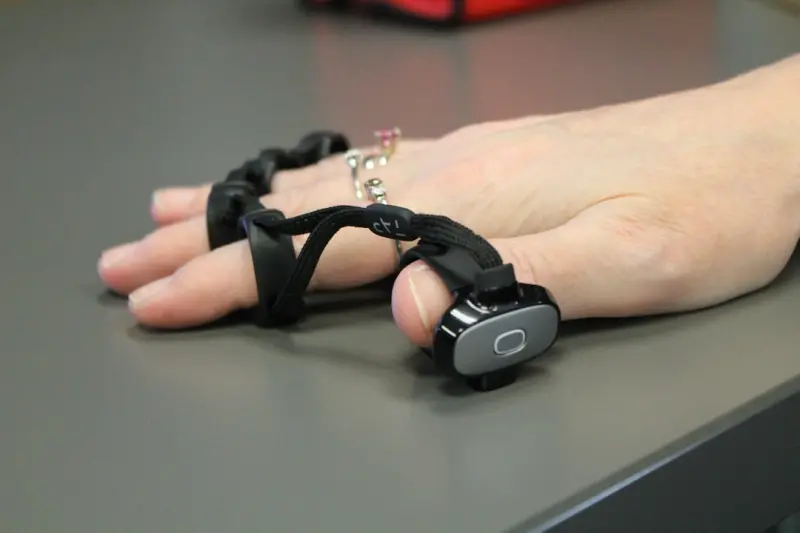
When Your Body Talks: Wearable Tech vs. Impaired Driving
Wearable devices now analyze heart‑rate variability, skin conductance, and gait to spot signs of i... Read More
Top Posts

When the Home Becomes the Hazard: Personal Injury Law in the Remote Work Era
Remote work has turned living rooms into workplaces, creating new injury risks. This article examines the legal complexities of home office injuries, employer l...Read More

Navigating the Legal Minefield of Cyber Insurance: From Policy Nuances to Emerging Risks
A deep dive into cyber insurance law, uncovering hidden policy gaps, regulatory impacts, and how to negotiate smarter coverage for today’s digital threats....Read More

The Interplay Between Insurance Law and Family Dynamics: A Complex Web of Rights and Responsibilities
The relationship between insurance law and family dynamics is multifaceted. Learn how family dynamics impact insurance claims and policies, and the challenges t...Read More

When Your New Car Becomes a Lemon: A Practical Guide to Automotive Law
A step‑by‑step guide to navigating lemon laws, from documentation to avoiding arbitration traps, ensuring you get the compensation you deserve....Read More
0 Comments
Post Comment
You will need to Login or Register to comment on this post!