
The Silent Alarm: How Wearable Tech Is Turning the Tide on Impaired Driving
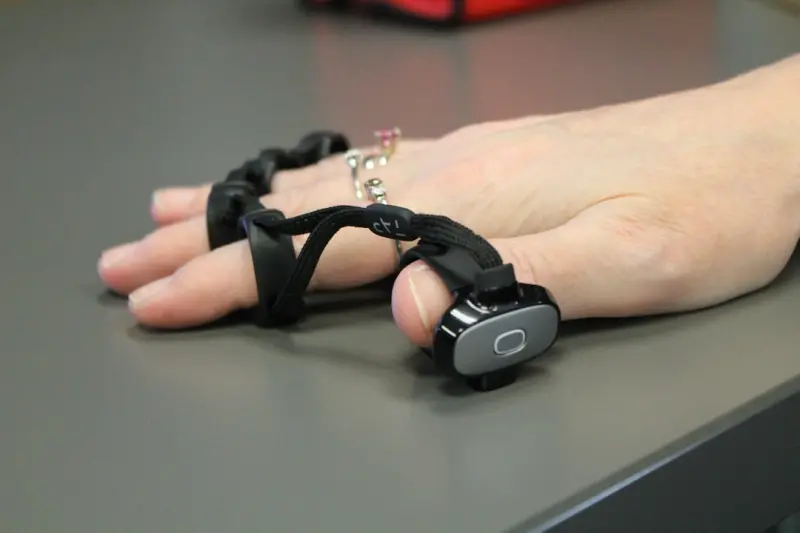
When I first strapped a fitness tracker onto my wrist, I thought I was just getting a glimpse into my step count and sleep patterns. Little did I know that the same little device could become a lifesaver on the road. Impaired driving has long been a public‑health nightmare, but the convergence of biosensors, AI analytics, and real‑time connectivity is finally giving us a proactive weapon: the body itself can now sound the alarm before a driver even reaches the ignition.
Why Traditional Deterrents Aren’t Cutting It Anymore
For decades, the legal system has relied on after‑the‑fact solutions: sobriety checkpoints, breathalyzers, and stiffer penalties. Those tools are reactive, catching the problem after it’s already manifested. Even the most well‑intentioned “designated driver” campaigns struggle against social pressure, misjudged tolerance, and the occasional “just one drink” rationalization.
Data from the National Highway Traffic Safety Administration consistently shows that alcohol‑related crashes remain stubbornly high, despite decades of public‑awareness efforts. The same is true for opioid‑related incidents, which have surged alongside the opioid crisis. What’s missing is a real‑time, personal feedback loop that can intervene before the driver makes a dangerous choice.
The Science Behind the Sensors
Modern wearables are no longer limited to counting steps. Accelerometers, photoplethysmography (PPG) sensors, and even electrodermal activity (EDA) monitors can now read heart‑rate variability, skin conductance, and subtle changes in gait. When combined with machine‑learning models trained on thousands of hours of data, these signals become surprisingly accurate at detecting intoxication, fatigue, or drug impairment.
- Heart‑Rate Variability (HRV): Alcohol and certain sedatives blunt the autonomic nervous system, leading to a measurable drop in HRV.
- Skin Conductance: Elevated stress levels—often a proxy for intoxication or anxiety—alter the skin’s electrical properties.
- Gait Analysis: Tiny deviations in balance and stride length, captured by a wrist‑mounted inertial sensor, can flag impairment even before the user feels “tipsy.”
When these data points converge, a wearable can generate a confidence score that predicts the likelihood of impairment. This score can be instantly communicated to a paired smartphone, which then triggers a series of protective actions.
From Data to Decision: The Real‑Time Intervention Loop
Imagine this scenario: Jane, a 32‑year‑old marketing manager, finishes a client dinner. She checks her phone and sees a gentle vibration from her smartwatch: “Possible impairment detected – 78% confidence.” The app automatically pulls up nearby ride‑share options, sends a pre‑written text to her partner, and, if she’s in a vehicle, disables the car’s start button via a connected car API.
This isn’t sci‑fi. Several pilot programs in European cities have already integrated wearable alerts with vehicle telematics, allowing the car’s engine immobilizer to refuse ignition when an impairment threshold is crossed. In the United States, legislation is catching up, with a handful of states introducing “smart‑vehicle” provisions that protect drivers who voluntarily submit to sensor‑based lockouts.
Crucially, the system respects privacy. Data never leaves the user’s device unless they opt‑in to share it with a trusted contact or a ride‑share platform. The algorithm’s decision‑making process is transparent, with an on‑screen explanation that demystifies the score—something that mirrors the transparency push seen in AI‑driven healthcare diagnostics.
Legal Implications: From Liability to Incentive
As wearables become part of the preventive toolkit, the legal landscape will shift. Historically, liability for impaired driving rested on the driver’s post‑incident actions (or lack thereof). With real‑time detection, courts may soon consider whether a driver ignored an explicit wearable warning as negligence.
Insurance companies are already experimenting with premium discounts for users who enable “impairment detection” features. The argument is simple: if a driver can prove they were alerted and chose not to drive, the insurer’s risk exposure drops dramatically. Conversely, failure to heed an alert could become a new factor in claim denials or higher deductibles.
Employers, too, will feel the ripple. Companies that provide fleet vehicles could mandate wearable integration as part of their safety policies, turning the technology into a compliance requirement rather than a personal convenience. This mirrors the emerging trend of “data‑driven safety programs” we observed in the mobility‑as‑a‑service space, but with a focus on personal health data rather than vehicle telemetry alone.
Barriers to Adoption—and How to Overcome Them
Despite the promise, several hurdles remain:
- Trust: Users may fear that their biometric data could be weaponized against them. Transparent consent flows and strict data‑ownership policies are essential.
- Accuracy: Early models suffered from false positives (e.g., high heart rate from exercise). Continuous model training with diverse datasets—covering different ages, fitness levels, and medical conditions—reduces error rates.
- Integration: Not all vehicles support remote start/stop commands. Partnerships with OEMs and aftermarket telematics providers are accelerating this connectivity.
- Legal Ambiguity: Legislators are still debating how to treat sensor‑generated alerts in court. Advocacy groups are pushing for “good‑faith” defenses that protect users who act on wearable warnings.
Industry consortia, such as the Emerging Mobility Safety Alliance, are already drafting standards that address these concerns, ensuring interoperability and establishing best‑practice guidelines for data handling.
Case Study: A City‑Wide Pilot That Saved Lives
In a mid‑size Canadian city, the municipal government partnered with a local health tech startup to roll out a city‑wide impaired‑driving prevention program. Over a 12‑month period, 5,000 volunteers received wearables equipped with the latest impairment‑detection algorithms. The program’s key features included:
- Automatic alerts sent to the user’s phone.
- One‑tap “call a ride” button linked to the city’s subsidized ride‑share fleet.
- Data analytics dashboards for public‑health officials, showing peak risk times and demographic trends (all anonymized).
The results were striking: a 27% reduction in alcohol‑related traffic incidents during the trial period, and a 42% increase in ride‑share usage among participants after receiving alerts. Moreover, participants reported higher confidence in their ability to make safe choices, citing the “personal guardian” feel of the wearable as a game‑changer.
Future Horizons: From Wearables to Implantables
Looking ahead, the line between external wearables and internal biosensors is blurring. Companies are developing sub‑dermal chips that continuously monitor blood alcohol concentration (BAC) with laboratory‑grade accuracy. While still in the prototype stage, these implantables could eventually transmit real‑time BAC data directly to a car’s onboard system, making the “you’re over the limit, don’t drive” message impossible to ignore.
Ethical debates will intensify. The prospect of mandatory implants for high‑risk drivers (e.g., repeat offenders) raises questions about bodily autonomy versus public safety. Nonetheless, the technology trajectory suggests that the future of impaired‑driving prevention will be less about punitive enforcement and more about personal empowerment—your body will do the talking, and your car will listen.
Practical Steps for Drivers Today
Even if you’re not ready to invest in a cutting‑edge wearable, there are actionable steps you can take right now:
- Set a personal rule: If you’ve had any alcohol or sedating medication, commit to a non‑driving alternative.
- Leverage existing tech: Many smartphones already include BAC‑estimation apps that use breath sensors or simple questionnaires—use them as a quick self‑check.
- Pre‑plan rides: Before heading out, schedule a ride‑share or arrange a designated driver. The friction of “thinking later” is a major cause of impaired driving.
- Stay informed: Follow local legislation on wearable‑based safety requirements; some jurisdictions are offering insurance incentives for compliant drivers.
Conclusion: A Cultural Shift Powered by Data
The battle against impaired driving has always been a tug‑of‑war between human judgment and external enforcement. Wearable technology flips the script by turning the driver’s own physiological data into an early‑warning system. It’s not a silver bullet, but when combined with supportive legal frameworks, insurance incentives, and societal acceptance of data‑driven safety, it can dramatically reduce the number of preventable tragedies on our roads.
As we move toward a world where cars, phones, and bodies converse seamlessly, the onus shifts from “catching” to “preventing.” And for those of us who love to blend tech insight with everyday practicality, that future is both exciting and deeply humane.

I am Madden Persons, a content writer and digital influencer dedicated to crafting impactful stories and building authentic online connections. With a strategic approach to content creation, I develop engaging articles, digital campaigns, and social media narratives that help brands elevate their online presence and connect meaningfully with their target audiences.
Passionate about modern digital trends and audience engagement, I specialize in translating complex ideas into compelling content that sparks conversation, drives results, and strengthens brand identity.
Related Posts

The Quiet Revolution: How Data‑Driven SaaS Is Reducing Impaired Driving Risks
A deep dive into how modern SaaS tools, predictive analytics, and a culture of safety are transformi... Read More

Reimagining Impaired Driving: Data, Duty, and the Future of Corporate Responsibility
A deep dive into the evolving legal landscape of impaired driving, highlighting sensor data, AI over... Read More

The New Frontier: AI‑Driven Solutions to End Impaired Driving
A deep dive into why traditional methods fall short and how AI‑powered telematics, privacy fiducia... Read More
Top Posts

Finding Freedom After Divorce: A Personal Journey to Healing and Growth
A candid, step‑by‑step guide to reclaiming life after divorce, blending community support, creative therapy, and modern co‑parenting tools....Read More

Redefining SEO: A Human‑First Narrative for Sustainable Rankings
A fresh take on SEO that blends authentic storytelling, micro‑moment targeting, and solid technical foundations to create lasting digital success....Read More

Navigating Modern Child Custody: A Practical Guide for Today’s Parents
A forward‑looking guide on child custody in 2024, covering tech’s impact, remote‑work realities, mediation tactics, and key legal shifts to protect your c...Read More
Employee Data Rights: Charting the Next Wave of Labour Law
A deep dive into how employee data collection is reshaping labour law, with actionable guidance for employers and workers to protect privacy and prevent discrim...Read More
0 Comments
Post Comment
You will need to Login or Register to comment on this post!