
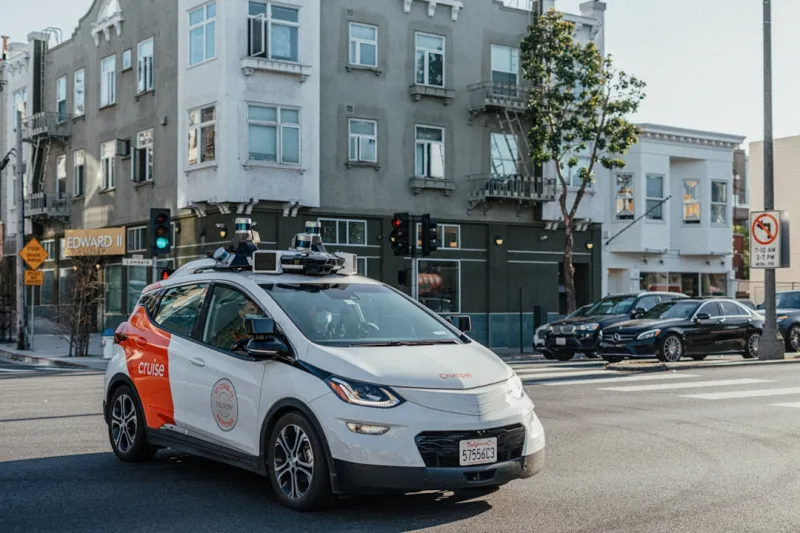
The Rise of Autonomous Fleets and the Legal Frontier
In 2026 the proliferation of autonomous fleets across highways and city streets has transformed the very definition of liability, forcing legislators, insurers, and litigators to rewrite centuries‑old statutes with a pace that feels like a high‑speed chase on a digital highway; the core question now is not merely who is at fault after a collision, but how software developers, data providers, and vehicle owners share responsibility when an algorithm makes a split‑second decision that a human driver once would have made instinctively. This shift demands that lawyers adopt a multidisciplinary mindset, blending traditional tort principles with a deep understanding of machine learning validation, cybersecurity standards, and the evolving regulatory sandbox that the National Highway Safety Administration has expanded to accommodate Level 4 and Level 5 vehicles, creating a new legal ecosystem where the line between product defect and user negligence blurs into a complex tapestry of code provenance and real‑world testing data. As a result, the courtroom is becoming a stage for forensic engineers and data scientists to testify side‑by‑side, and the judge’s bench is increasingly populated with questions about data logs, OTA updates, and the adequacy of AI‑driven decision trees, all while the public watches with a mix of awe and apprehension.
Insurance Models Must Evolve or Risk Becoming Obsolete
Traditional auto insurance, built on the premise of driver risk profiles, is now grappling with the reality that the primary risk driver is often the vehicle’s software, prompting a wave of “usage‑based” and “software‑error” policies that charge premiums based on algorithmic reliability scores, OTA patch histories, and the robustness of a manufacturer’s cybersecurity posture; insurers are deploying sophisticated telematics platforms that not only track mileage and driving habits but also monitor the health of critical sensor arrays, firmware integrity, and even the frequency of edge‑case scenario simulations run in the lab. This data‑rich approach is reshaping underwriting, with actuaries turning to predictive analytics that factor in the probability of a “black‑box” failure during complex maneuvers, and underwriters now negotiate contracts that embed clauses for rapid liability transfer to OEMs when a defect is identified post‑deployment, effectively turning the insurance market into a dynamic risk‑sharing consortium that mirrors the interconnected nature of autonomous ecosystems. The result is a marketplace where premiums can fluctuate monthly, reflecting real‑time risk assessments, and policyholders must stay informed about software updates that could either lower their rates or trigger a sudden spike in liability exposure.
Data Privacy Meets the Open‑Road: New Regulatory Challenges
Every autonomous vehicle is a moving data center, constantly streaming location, biometric, and environmental information to cloud services, which raises profound privacy concerns that regulators are beginning to address through a patchwork of state and federal statutes aimed at limiting unwarranted data harvesting and ensuring informed consent for drivers and passengers alike; the emerging “Vehicle Data Protection Act” drafts propose that manufacturers provide transparent dashboards showing exactly which data points are being collected, how long they are retained, and who can request access, thereby placing a legal onus on tech companies to embed privacy by design into every firmware release. Simultaneously, law firms are advising clients on how to negotiate service agreements that include explicit data‑use limitations, and they are preparing to litigate breaches that could arise from third‑party developers who integrate aftermarket apps without proper vetting, a scenario that could expose both the OEM and the app developer to class‑action lawsuits if personal data is compromised during a collision investigation. The interplay between safety‑critical data and privacy rights is creating a novel legal frontier where the duty to protect the public collides with the right to control personal information, demanding a balanced approach that respects both public safety imperatives and individual autonomy.
Consumer Rights in the Age of Over‑The‑Air Updates
Over‑the‑air (OTA) updates have become the norm for keeping autonomous vehicles current, but they also raise contentious questions about consumer consent, the right to reject updates, and the potential for manufacturers to alter vehicle performance without the owner’s explicit approval, leading to a growing body of case law that treats OTA patches as a form of “digital warranty” that must be disclosed with the same rigor as traditional mechanical repairs; courts are beginning to recognize that an unsolicited update that changes acceleration curves or disables certain driver‑assist features could constitute a breach of contract, especially if the changes negatively impact the vehicle’s resale value or the owner’s driving experience. Lawyers are now crafting “software service agreements” that clearly delineate the scope of permissible updates, the process for opting out, and the remedies available if an update leads to a malfunction, while consumer advocacy groups push for legislation that would require a “cool‑down” period before critical safety updates are forced upon owners, ensuring that users have a meaningful opportunity to review the changes and seek independent expert opinions. This evolving landscape underscores the need for a robust dialogue between manufacturers, regulators, and the public to define the boundaries of digital ownership and to protect consumers from inadvertent harm caused by a well‑intentioned software rollout.
Cross‑Border Litigation: When Autonomous Vehicles Drive Internationally
The global nature of autonomous vehicle deployment means that a single accident can involve parties from multiple jurisdictions, each with its own set of statutes governing product liability, data protection, and insurance, creating a labyrinthine legal challenge that requires coordination across borders and the harmonization of legal doctrines that were once confined to domestic courts; for instance, a crash involving a Level 5 vehicle manufactured in Japan, operating on a European road, and owned by an American citizen may trigger simultaneous investigations by the NHTSA, the European Union’s GDPR enforcement bodies, and U.S. state courts, each demanding evidence, compliance documentation, and expert testimony in different languages and legal standards. To navigate this complexity, law firms are assembling multinational teams of specialists who can interpret divergent regulatory frameworks, negotiate cross‑border settlements, and advise clients on jurisdictional clauses that pre‑emptively allocate forum selection and governing law, thereby reducing the risk of protracted, multi‑venue litigation that could drain resources and erode public confidence in autonomous technology. The rise of such transnational disputes also fuels a push for international treaties that would standardize safety certifications and data‑sharing protocols, offering a clearer path to resolution when autonomous vehicles cross the frontiers of legal jurisdiction.
Emerging Role of Narrative‑Driven Advocacy in Automotive Law
In the fast‑evolving arena of automotive law, the ability to craft compelling narratives that translate dense technical data into human‑centered stories is becoming a decisive advantage, a lesson I have repeatedly emphasized in my own practice and one that aligns with the insights from Why 2024 Demands a New Narrative‑Driven Approach for Lawyers, where the power of storytelling is leveraged to demystify AI decision‑making for juries and judges; by weaving together the driver’s perspective, the manufacturer’s safety protocols, and the algorithm’s logic, attorneys can humanize complex liability issues, making it easier for decision‑makers to grasp the real‑world impact of a software glitch or a sensor failure. This narrative strategy is especially potent in product liability cases where expert testimony can overwhelm lay audiences; a well‑structured story that frames the incident as a sequence of predictable events, rather than an abstract statistical anomaly, can shift the focus from abstract probability to tangible harm, thereby enhancing persuasive impact and fostering a sense of accountability that resonates beyond the courtroom. As the technology continues to outpace traditional legal frameworks, embracing narrative‑driven advocacy not only improves client outcomes but also contributes to the broader public discourse on how autonomous vehicles should be regulated and insured.
Integrating SEO Strategies for Automotive Law Practices
Visibility in the digital marketplace is crucial for law firms specializing in automotive law, and the principles outlined in SEO Mastery for Lawyers in 2024 remain highly relevant, especially as prospective clients increasingly search for terms like “autonomous vehicle liability” or “self‑driving car insurance claim”; by optimizing content with long‑tail keywords, structured data markup, and authoritative backlinks from automotive technology publications, firms can capture high‑intent traffic that translates into qualified leads, while also establishing thought leadership that positions them as go‑to experts in this niche field. Moreover, leveraging multimedia assets such as explainer videos, interactive infographics, and podcast interviews with industry engineers can boost user engagement metrics, signaling to search engines that the site provides valuable, comprehensive information, which in turn improves rankings and drives organic growth. Consistently publishing timely analysis of regulatory updates, court decisions, and emerging safety standards not only satisfies search algorithms but also reinforces client trust, demonstrating that the firm remains at the cutting edge of automotive law in an era where technology evolves at breakneck speed.
Future Outlook: Legislative Trends Shaping 2027 and Beyond
Looking ahead, several legislative trends are poised to shape the automotive legal landscape in 2027, including the anticipated federal mandate that all new autonomous vehicles must adhere to a unified “Safety Assurance Framework” that codifies requirements for algorithmic transparency, real‑time hazard detection, and mandatory post‑crash data preservation, a move that will likely spawn a new class of compliance consultants and increase demand for legal expertise in drafting and interpreting these technical standards; concurrently, state legislatures are experimenting with “Dynamic Insurance Pools” that automatically adjust premiums based on real‑time risk assessments derived from vehicle telemetry, a concept that blurs the line between insurance and continuous service provision, raising novel questions about consumer protection and antitrust compliance. In addition, the growing emphasis on environmental sustainability is prompting lawmakers to consider incentives for electric autonomous fleets, which may intersect with existing emissions regulations and create opportunities for firms to advise on incentive eligibility, tax credits, and the interplay between green policy and autonomous technology deployment. As these developments converge, legal practitioners must stay agile, continuously updating their knowledge base and strategic approach to ensure they can effectively guide clients through the intricate web of emerging rules, technological advances, and market dynamics that define the next era of automotive law.
Practical Steps for Clients Facing Autonomous Vehicle Disputes
For individuals and businesses caught in the crosshairs of an autonomous vehicle dispute, a pragmatic roadmap begins with securing a comprehensive data dump from the vehicle’s event data recorder, preserving logs, sensor outputs, and OTA update histories that serve as the factual backbone of any claim; engaging a forensic analyst early in the process can help interpret these data streams, identify anomalies, and establish a timeline that clarifies whether a software malfunction, sensor blockage, or external factor triggered the incident, thereby strengthening the evidentiary foundation before any settlement negotiations commence. Simultaneously, clients should review their insurance policies for clauses addressing software liability and request a detailed explanation of coverage limits related to autonomous technology, as many traditional policies still contain ambiguous language that could be interpreted unfavorably in the event of a claim; drafting a formal request for a policy amendment or endorsement that explicitly covers OTA‑induced defects can preempt coverage disputes and provide clearer protection. Finally, maintaining open communication with the vehicle manufacturer’s customer support and legal liaison teams is essential, as many manufacturers now offer dedicated dispute resolution pathways that can expedite settlements, especially when the issue pertains to a known software bug that the company is already addressing through a scheduled update, thereby reducing litigation costs and fostering a collaborative resolution environment.

Allison Jarvis is a dynamic digital media and marketing professional dedicated to driving brand growth through impactful storytelling. With a sharp eye for market trends and a passion for data-driven strategies, she specializes in building cohesive online identities that resonate with modern audiences. Allison blends creative content production with robust analytics to maximize engagement and deliver measurable ROI. She continuously explores emerging digital tools to keep her projects ahead of the curve.
Related Posts

The Rise of Car Subscription Services: Legal Pitfalls and Consumer Protections
Car subscriptions promise flexibility, but hidden fees, liability issues, and privacy concerns can t... Read More

The Intersection of Automotive Law and Technology: Emerging Trends and Challenges
The automotive industry is undergoing a significant transformation. Learn about the emerging trends ... Read More

Connected Car Data: The Legal Road Ahead
Cars now generate massive data streams, raising fresh privacy and liability questions. This article ... Read More
Top Posts

Legal Trends 2024: From Tech‑Driven Crime Courts to Smart Family Law
Kris M. Chen breaks down 2024’s legal landscape, from AI‑driven criminal courts to smart insurance and family law innovations, offering actionable insights ...Read More

When Employees Speak Up: Navigating Whistleblower Law in High‑Tech Companies
A practical guide for SaaS leaders on establishing whistleblower-friendly policies, handling data‑privacy disclosures, and turning employee concerns into a co...Read More

When Grandparents Fight for Their Place: A Modern Guide to Visitation Rights
Grandparents are pivotal in children's lives, yet many struggle to maintain that bond legally. This guide outlines the history, legal thresholds, evidence gathe...Read More

Predictive Policing: Balancing Safety and Freedom
Predictive policing promises data‑driven crime prevention, but its reliance on biased historical data raises constitutional challenges. This article examines ...Read More
0 Comments
Post Comment
You will need to Login or Register to comment on this post!