
Why AI Is the New Underwriter
When I first dove into insurance law a decade ago, the underwriting process felt like a slow‑moving bureaucracy, shackled to legacy data sets and human intuition. In 2026, that landscape has been upended by artificial intelligence, which can sift through terabytes of claim histories, weather models, and even social media signals in seconds, delivering risk scores that were unimaginable a few years ago. AI-driven insurance policies are now the norm, and regulators are scrambling to write rules that keep pace with algorithms that can predict a homeowner’s flood exposure with pinpoint accuracy while simultaneously adjusting premiums in real time.
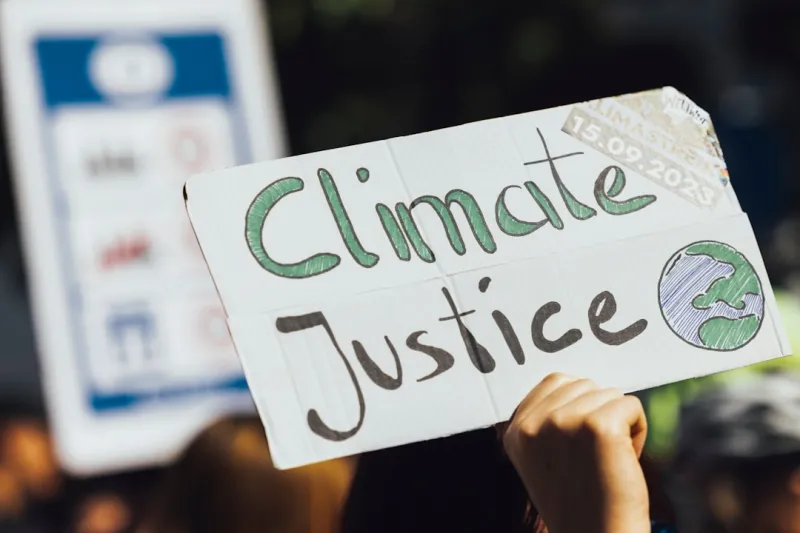
Climate Change: From Catastrophe to Calculable Risk
Climate risk used to be a vague, “it could happen” warning plastered on policy disclosures; today it’s a quantifiable metric embedded in every policy clause. Courts are seeing a surge in lawsuits where plaintiffs argue that insurers failed to incorporate the latest climate models into their pricing, leading to under‑insurance in high‑risk zones. I’ve watched judges cite the latest IPCC reports as admissible evidence, effectively forcing insurers to treat rising sea levels and extreme weather events as actuarial constants rather than optional add‑ons. This shift is reshaping liability standards and pushing carriers to develop dynamic pricing that reflects evolving environmental realities.
Personalized Policies: The Consumer’s Power Play
Personalization is no longer a marketing buzzword—it’s a legal requirement. Thanks to wearable tech, telematics, and AI, insurers can now craft policies that match an individual’s exact risk profile, from driving habits to health metrics. This hyper‑tailoring has sparked a wave of consumer advocacy, with policyholders demanding transparency on how their data is used and the right to opt‑out without punitive rate hikes. In my practice, I’ve helped clients negotiate clauses that lock in a “data‑fairness” provision, ensuring that any algorithmic adjustments are subject to human review and that the insurer provides clear explanations for premium changes.
Regulatory Response: Balancing Innovation and Protection
The regulatory sandbox in several states now permits insurers to trial AI models under supervised conditions, but the oversight is anything but lax. Agencies are mandating algorithmic audits, bias assessments, and the publication of model performance metrics, turning what was once proprietary code into quasi‑public data. I’ve filed amicus briefs urging courts to treat these audits as a form of due diligence, arguing that without them, the line between innovative risk assessment and unlawful discrimination blurs dangerously. This evolving legal framework aims to protect consumers while still encouraging insurers to push the envelope on efficiency.
Cross‑Industry Ripple Effects: Auto, Health, and Beyond
The reverberations of AI and climate‑driven insurance law extend far beyond home and property coverage. In the automotive sector, automotive liability trends now hinge on real‑time data from connected vehicles, creating new duties for manufacturers and drivers alike. Meanwhile, health insurers are integrating predictive analytics to forecast chronic disease outbreaks, raising questions about privacy and the scope of covered preventive care. These cross‑industry dynamics demand a cohesive legal approach, one that harmonizes standards across sectors while respecting the unique nuances of each market.
Practical Steps for Policyholders in 2026
If you’re navigating this brave new world of insurance, start by demanding a clear explanation of any AI‑generated risk scores that affect your premiums. Request a copy of the underlying data sources and ask for a human‑review option if you suspect an error or bias. Keep an eye on climate‑risk disclosures in your policy documents—many carriers now include a “climate impact clause” that outlines how extreme weather events could alter coverage limits. Finally, consider bundling policies with providers that demonstrate robust data‑fairness practices, as this can shield you from unexpected rate spikes and ensure you’re not left exposed when the next storm hits.
Future Outlook: The Next Decade of Insurance Law
Looking ahead, I see a legal ecosystem where AI, climate science, and personalized data converge to create a continuously adaptive insurance market. Expect courts to develop a body of case law that treats algorithmic transparency as a core component of good faith underwriting, and regulators to impose stricter standards on climate‑risk modeling. The rise of “parametric insurance” products—payouts triggered by objective data points like rainfall levels—will further blur the line between insurance and financial derivatives, demanding new fiduciary duties from carriers. As we move toward 2030, the legal profession must stay ahead of these trends, advising clients not just on compliance but on strategic positioning in an increasingly data‑driven risk landscape.
Conclusion: Embracing Change with a Human Touch
All this transformation can feel overwhelming, but the core principle remains unchanged: insurance is about sharing risk and providing peace of mind. My role as an attorney is to ensure that the technological tools enhancing risk assessment do not erode the human protections that underpin the industry. By staying informed, demanding transparency, and advocating for fair regulations, we can harness AI and climate insights to build a more resilient, equitable insurance system—one that protects both the individual policyholder and the broader community in the face of an uncertain future.

Kris Kennel is a Paralegal outside of Austin, Texas where he spends most of his time helping users with legal matters that concern them. When he is not working he enjoys time with his wife and kids.
Related Posts
Smart Insurance in a Data‑Driven World: How AI, Climate, and Blockchain Are Redefining Risk
The insurance landscape is being reshaped by AI, climate risk, and blockchain, prompting new legal f... Read More

Parametric Insurance: The Data‑Driven Shift Redefining Coverage
Parametric insurance ties payouts to data points, offering instant relief. Learn the legal nuances, ... Read More

Parametric Insurance: The Legal Playbook for Fast‑Paced Enterprises
Parametric insurance is reshaping risk management with objective triggers and rapid payouts. This gu... Read More
Top Posts

Privacy by Design: Legal Must‑Haves for SaaS Leaders
A deep dive into how SaaS companies can turn privacy from a compliance hurdle into a strategic advantage by adopting privacy‑by‑design principles, navigatin...Read More

Decoding the Tax Landscape for AI‑Driven SaaS Ventures
A deep dive into the unique tax challenges facing AI‑driven SaaS businesses, offering practical guidance on credits, nexus, and compliance in the evolving dig...Read More

Crypto‑Infused Marriage Contracts: Protecting Modern Assets and Shared Ventures
This article delves into the challenges of traditional prenups in the digital age, offering a roadmap for couples to safeguard crypto holdings, business interes...Read More

When the Platform Becomes the Judge: Inside Gig‑Economy Arbitration
A deep dive into the rise of platform‑centric arbitration in the gig economy, examining its legal foundations, privacy implications, and strategies workers ca...Read More
0 Comments
Post Comment
You will need to Login or Register to comment on this post!