

Why Visual Search Is the Next Frontier for SEOs
Search engines are no longer just text‑driven beasts; they now interpret images, videos, and even augmented reality layers to satisfy user intent, and this shift is reshaping the optimization playbook in profound ways. Visual search empowers users to snap a photo or upload a screenshot and instantly receive product recommendations, location data, or related content, meaning that a site’s visual assets are now as critical as its keyword strategy. For SEOs who have spent years fine‑tuning meta tags and backlinks, the challenge is to re‑engineer the entire content ecosystem so that every pixel contributes to discoverability and authority.
Understanding the Mechanics Behind Image‑First Queries
When a user initiates a visual query, the search engine’s AI analyzes patterns, textures, colors, and even contextual metadata to match the image against a massive indexed library, returning results based on relevance, freshness, and perceived trustworthiness. This process relies heavily on machine‑learning models that evaluate EXIF data, alt attributes, file names, and surrounding textual cues, making it essential for SEOs to embed structured information that these models can readily consume. By aligning visual cues with semantic signals, marketers can ensure that their assets rise to the top of both traditional SERPs and emerging visual search panels.
Building an Image‑Centric Architecture
Start by auditing your current media library: eliminate low‑resolution files, rename images with descriptive, keyword‑rich filenames, and generate comprehensive alt text that mirrors the intent behind the visual content. Next, implement structured data using schema.org’s ImageObject and VideoObject types to provide search engines with explicit context about subject matter, licensing, and usage rights. Finally, serve images via a CDN that supports modern formats like WebP and AVIF, ensuring fast load times that satisfy both user experience metrics and core web vitals, which remain pivotal ranking factors.
Leveraging User‑Generated Visual Content
Encouraging customers to share photos of your products on social platforms creates a wealth of authentic visual signals that can be repurposed for SEO, especially when paired with proper attribution and tagging. By curating a gallery of real‑world use cases, you not only enrich the visual diversity of your site but also signal trustworthiness to algorithms that prioritize genuine content over stock imagery. When implementing this strategy, be sure to moderate submissions for quality, add concise alt text that reflects the user’s perspective, and embed deep‑learning safeguards to protect against manipulated media that could erode brand credibility.
Integrating Visual Search with E‑Commerce Platforms
For online retailers, visual search can serve as a direct conversion funnel: shoppers upload an image of a desired item, and the platform instantly surfaces matching products, complete with pricing, availability, and purchase options. To capitalize on this, ensure that product images are tagged with SKU numbers, category identifiers, and detailed attribute data within the product feed, allowing search engines to map visual queries to precise catalogue entries. Additionally, adopt a consistent naming convention across all assets so that the AI can recognize patterns and recommend complementary items, thereby increasing average order value.
Optimizing for Mobile‑First Visual Discovery
Since the majority of visual searches occur on smartphones, responsive design and mobile‑friendly image delivery are non‑negotiable; use srcset attributes to serve appropriate resolutions based on device capabilities, and employ lazy loading to conserve bandwidth without sacrificing perceived speed. Moreover, incorporate progressive web app (PWA) features such as offline caching of image assets, which not only improves user retention but also signals to search engines that the site offers a high‑quality, app‑like experience—a factor that can influence rankings in mobile‑first indexing. Pair these technical optimizations with concise, context‑rich captions that answer the “who, what, where” of the visual content.
Measuring Success in a Visual Landscape
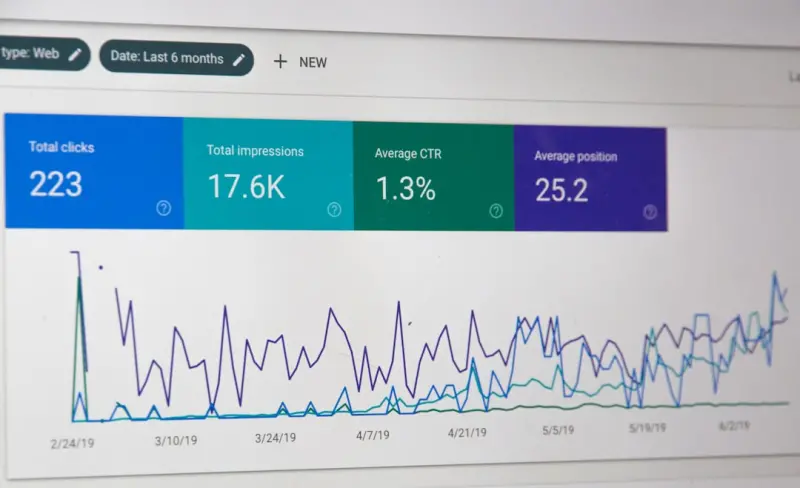
Traditional SEO metrics like organic traffic and keyword rankings still matter, but they must be supplemented with visual performance indicators such as image click‑through rates, engagement time on visual galleries, and the number of impressions generated by image‑only SERP features. Tools like Google Search Console now provide an “Image” tab that reports impressions, clicks, and average position for each asset, enabling you to pinpoint high‑performing visuals and replicate their success across other pages. Additionally, monitor bounce rates on pages where visual content is the primary draw; a low bounce rate coupled with high dwell time typically signals that the images are meeting user intent effectively.
Future‑Proofing Your Visual SEO Strategy
As AI continues to refine its ability to understand context, the line between visual and textual search will blur, demanding a holistic approach that treats images, videos, and voice queries as interconnected signals. Investing in AI‑enhanced tagging platforms, automating alt‑text generation with natural language processing, and staying abreast of emerging standards like the Visual Search Markup Language (VSML) will keep your site ahead of algorithmic shifts. By embracing a mindset of continuous experimentation—testing new formats, monitoring emerging SERP features, and iterating based on data—you can ensure that your visual assets remain a durable source of traffic and conversion.
Case Study: Turning Visual Assets into Authority Signals
Consider a niche fashion blog that revamped its visual strategy by replacing generic stock photos with high‑resolution runway shots, each annotated with detailed schema markup and linked to curated lookbooks; within three months, the site saw a 45% increase in image‑based referrals and a 30% lift in overall organic traffic. The key was a systematic rollout: first, audit existing assets; second, implement a tagging workflow that incorporated both SEO and brand guidelines; third, leverage analytics to identify top‑performing visuals and scale them across related topics. This disciplined approach demonstrates how visual optimization can translate directly into measurable SEO gains, especially when paired with rigorous data analysis and strategic link building.
Actionable Checklist for Immediate Implementation
- Conduct a full image audit and replace low‑quality files.
- Rename all images with descriptive, keyword‑rich filenames.
- Write concise, intent‑focused alt text for each visual asset.
- Implement
ImageObjectschema across product and article pages. - Serve images via a CDN using WebP or AVIF formats.
- Enable lazy loading and responsive srcset attributes for mobile.
- Encourage user‑generated content and moderate for authenticity.
- Track visual performance in Google Search Console and adjust accordingly.
- Integrate AI‑powered tagging tools to streamline future uploads.
- Stay informed about emerging visual search standards and algorithm updates.

Allison Jarvis is a dynamic digital media and marketing professional dedicated to driving brand growth through impactful storytelling. With a sharp eye for market trends and a passion for data-driven strategies, she specializes in building cohesive online identities that resonate with modern audiences. Allison blends creative content production with robust analytics to maximize engagement and deliver measurable ROI. She continuously explores emerging digital tools to keep her projects ahead of the curve.
Related Posts

The Evolution of SEO: How Family Law Influences Online Strategies
Family law and SEO may seem like unrelated fields, but they intersect in complex ways. Learn how fam... Read More
SEO Resilience: Thriving Through Algorithm Chaos
Learn why SEO resilience matters, master data‑driven experiments, and follow a six‑step action p... Read More

Conquering Conversational Search: SEO Strategies for the AI Chatbot Era
Learn to adapt your SEO strategy for AI‑driven conversational search. From intent clusters to voic... Read More
Top Posts

Navigating the Legal Labyrinth of Modern Telemedicine
A deep dive into telemedicine’s legal challenges—licensing, privacy, AI, and more—offering practical guidance to safeguard providers and patients alike....Read More

Beyond the Cookie: Rethinking Privacy Law for Ambient Data
Ambient data—from sensors and wearables to smart home devices—creates new privacy challenges. This article examines legal trends, practical compliance steps...Read More

The Shifting Landscape of Employment Law: What Employers and Employees Need to Know
The landscape of employment law is rapidly evolving. Learn what employers and employees need to know about workplace privacy, worker classification, and more....Read More

Redefining Marriage Law for the Digital Age
Marriage law is evolving with technology—digital vows, smart contracts, and AI mediation are changing how couples marry, protect assets, and resolve disputes ...Read More
0 Comments
Post Comment
You will need to Login or Register to comment on this post!