

Why Micro‑Mobility Is Redefining Personal Injury Law
When I first saw a teenager zip past me on a sleek electric scooter, I thought, “That’s a cool way to get around.” Fast forward a few years and those sleek devices have become a common sight on city streets, bike lanes, and even office campuses. The convenience is undeniable, but the surge in e‑scooter and e‑bike usage has also ignited a new wave of personal injury cases that are testing the limits of traditional legal doctrines.
In my two‑decades of practice, I’ve handled everything from construction site mishaps to complex product‑liability disputes. The micro‑mobility boom, however, brings a distinct set of challenges: overlapping responsibilities, evolving municipal regulations, and the fact that many riders and drivers aren’t even aware they’re entering a legally risky arena.
Who Can Be Held Accountable?
The first question that pops up after a crash is, “Who’s at fault?” The answer is rarely straightforward. Below are the primary parties that can face liability:
- Riders themselves. Even though they’re often portrayed as victims, riders have a duty to operate their devices safely, obey traffic signals, and wear appropriate protective gear. Failure to do so can lead to comparative negligence findings that reduce the compensation they receive.
- Manufacturers. Defective brakes, faulty battery management systems, or design flaws that make a scooter unstable can trigger product‑liability claims. Proving a defect requires thorough engineering analysis and often expert testimony.
- Ride‑share platforms. Companies that lease scooters or bikes to the public can be held responsible if they neglect proper maintenance, ignore known safety hazards, or fail to provide adequate rider training.
- Municipalities. Cities that approve the placement of scooter zones or neglect to enforce speed limits may bear partial responsibility, especially if they have a duty to keep public thoroughfares safe.
- Other motorists. Traditional drivers who collide with a scooter rider can be liable if they were distracted, speeding, or failed to yield.
Understanding the mosaic of potential defendants is crucial because it shapes the strategy you’ll adopt, the evidence you’ll need, and the ultimate value of a claim.
Coverage Gaps and Policy Nuances
One of the most perplexing aspects for injured riders is navigating the maze of coverage options. While many people assume their personal health policies will cover all medical expenses, the reality can be far more fragmented.
- Health plans. Some policies exclude injuries that occur while riding “unregistered” or “unauthorized” devices. If a rider was using a borrowed scooter without proper registration, the insurer may deny benefits.
- Personal injury protection (PIP) or similar mandatory policies. In jurisdictions that require PIP, the rider may be entitled to limited medical payments regardless of fault, but the caps are often low.
- Ride‑share liability policies. Many platforms carry a limited liability umbrella that pays out up to a set amount per incident. If injuries exceed that ceiling, the rider must look elsewhere for compensation.
- Homeowner or renter policies. Some owners’ policies extend coverage to personal property used on public ways, but they rarely address bodily injury.
The bottom line: a comprehensive claim usually draws from multiple sources—health benefits, platform coverage, and third‑party liability—all of which must be coordinated to avoid double‑dipping and to maximize recovery.
Collecting Evidence in a Connected World
Unlike a classic slip‑and‑fall case where photographs of a wet floor are enough, micro‑mobility accidents often involve layers of data that must be captured and preserved.
- Device telemetry. Modern scooters and e‑bikes record speed, braking force, and location at the moment of impact. Securing this data early can prove whether a rider was traveling at a safe speed or if a sudden mechanical failure occurred.
- Surveillance footage. Many city streets now host traffic cameras, and businesses often have door‑bell or lobby cameras that unintentionally capture accidents. Requesting this footage promptly is essential because many systems purge recordings after a short period.
- Witness statements. Bystanders may have seen the rider lose balance, a vehicle swerve, or a pothole that contributed to the fall. Written statements, sworn affidavits, or recorded interviews bolster credibility.
- Medical documentation. Immediate emergency‑room records, follow‑up imaging, and physician notes establish the extent of injuries and link them directly to the incident.
In practice, I advise clients to treat the first 48 hours like a crime‑scene investigation: preserve the scooter, note the exact location, and capture everything with a smartphone. The data you collect now can mean the difference between a modest settlement and a life‑changing award.
Navigating Municipal Ordinances
Every city has its own set of rules governing where and how scooters and e‑bikes may operate. Some jurisdictions ban them on sidewalks, impose speed caps of ten miles per hour, or require riders to wear helmets. Violations of these ordinances can impact liability in two ways:
- Comparative negligence. If a rider was riding on a prohibited sidewalk, a court may assign a portion of fault to the rider, reducing the recovery.
- Municipal liability. If a city fails to enforce its own rules—say, by not fixing a known hazardous pothole in a designated scooter lane—it may be exposed to claims for negligent maintenance.
Staying current on local regulations is not optional. In many cases, the defense will argue that the rider knowingly violated a rule, and the judge will look to the ordinance as a benchmark for “reasonable behavior.”
The Role of Emerging Technology Without Over‑Complicating the Narrative
Even though we’re steering clear of high‑tech buzzwords, it’s worth noting that the very tools that make scooters convenient also create legal blind spots. For example, GPS tracking can pinpoint the exact moment of impact, but it can also be used by a platform to argue that the rider was speeding. Understanding how these technological features work—and how they can be leveraged in a claim—gives injured parties a strategic edge.
Preparing for a Strong Claim: A Step‑by‑Step Checklist
Below is the roadmap I give to clients after a micro‑mobility accident:
- Seek immediate medical care. Even if you feel fine, get evaluated. Some injuries (e.g., concussions, ligament tears) manifest days later.
- Document the scene. Take photos, record video, and note weather conditions, traffic flow, and any obstacles.
- Preserve the device. Do not tamper with the scooter or bike. If possible, keep it in the exact state it was after the crash.
- Gather data. Request telemetry logs from the platform, and ask for any surveillance footage that might exist.
- Collect contact information. Get names, phone numbers, and insurance details from any involved drivers, as well as witness information.
- Notify the platform. Most ride‑share services require prompt reporting. Failure to do so can jeopardize coverage.
- Consult a specialized attorney. Personal injury lawyers with micro‑mobility experience understand the nuances of platform policies, municipal codes, and comparative‑fault analysis.
- Evaluate all potential sources of compensation. This includes health benefits, platform liability caps, and third‑party claims.
Following these steps not only preserves crucial evidence but also signals to insurers and opposing counsel that you’re serious about protecting your rights.
When Traditional Legal Resources Fall Short
Many clients ask whether a standard personal‑injury handbook will suffice for a scooter crash. The answer is usually no. The unique blend of product‑design issues, platform contracts, and municipal rules creates a hybrid case type that sits at the intersection of several legal disciplines.
For instance, the tokenized property trends discussion highlighted how emerging frameworks can disrupt conventional ownership concepts. Similarly, micro‑mobility incidents can challenge traditional notions of “vehicle” and “owner,” requiring creative legal arguments.
Another valuable resource is the article on global liability considerations. While that piece focuses on cross‑border family matters, the underlying principle—navigating multiple jurisdictions—applies directly to riders who travel across city limits where rules change abruptly.
Looking Ahead: What the Next Few Years Might Hold
The micro‑mobility landscape is still evolving. Anticipated developments include:
- Standardized safety certifications. Industry groups are pushing for uniform brake and lighting standards, which could shift liability toward manufacturers who fail to meet them.
- Expanded municipal oversight. More cities are drafting comprehensive micro‑mobility ordinances that address speed limits, parking zones, and rider education requirements.
- Improved rider education. Some platforms are piloting mandatory safety videos and on‑board warnings before a rider can unlock a device.
- Greater integration with public transit. As scooters become an “first‑mile/last‑mile” solution, coordination with transit authorities will introduce new liability layers.
Staying ahead of these trends means working with counsel who monitors legislative proposals and can adapt your claim strategy as the law develops.
Final Thoughts
Micro‑mobility offers a thrilling glimpse of the future, but that future can turn painful—literally—if an accident occurs. The blend of rider responsibility, platform duties, manufacturer obligations, and municipal rules makes each case a mosaic of potential liabilities. By acting swiftly, preserving evidence, and partnering with an attorney who understands the intricacies of this niche, injured riders can secure the compensation they deserve and help shape safer streets for everyone.

Steven McClurry is a freelance writer. He loves to write controversial topics and on a wide rang of topics. When is not online he is hanging out at his college campus or playing online games.
Related Posts

When Alexa Trips: Navigating Personal Injury Claims in the Smart Home Era
Smart home devices promise convenience, but they can also cause injuries. This article breaks down l... Read More
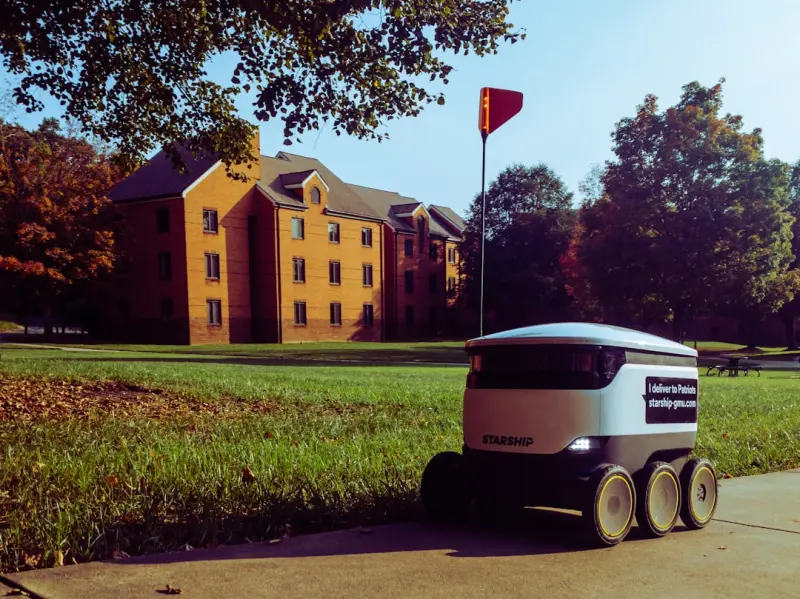
Beyond the Crash: How Drones and Delivery Robots Are Redefining Personal Injury Law
A deep dive into the emerging challenges personal injury law faces with autonomous drones, ground‑... Read More

Why Medical Records Are Your Greatest Ally in a Personal Injury Claim
Medical records can make or break a personal injury claim. Learn how to collect, organize, and use t... Read More
Top Posts

Why Semantic Search Is the New Frontier
Why Semantic Search Is the New Frontier When I first cut my teeth on SEO, the mantra was simple: find the right keywords, sprinkle them everywhere, and watch th...Read More

Short‑Term Rental Law: Balancing Profit and Rights in Today’s Real Estate Landscape
Short‑term rentals are reshaping property use, but they bring a web of zoning, tenant, tax, liability, and privacy challenges. This article breaks down the le...Read More

Visual Search Optimization: How Images Are Redefining SEO
Explore the rise of visual search and master image SEO with practical tactics, structured data tips, and future‑focused trends to dominate image‑driven SERP...Read More

When Likes Turn Litigable: Social Media’s Impact on Personal Injury Cases
Social media can make or break a personal injury claim. Discover why every post, like, and comment matters and how to safeguard your case....Read More
0 Comments
Post Comment
You will need to Login or Register to comment on this post!