
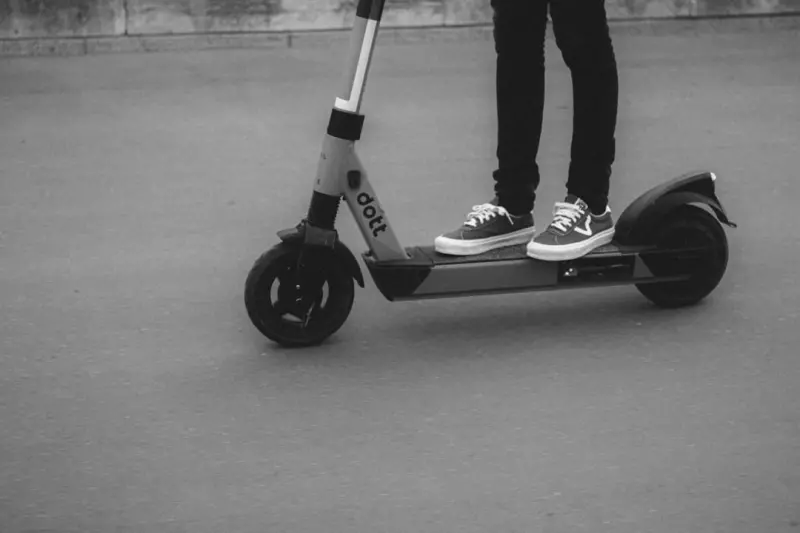
Micro‑Mobility Mishaps: How E‑Scooters Are Redrawing Personal Injury Boundaries
When I first saw a colleague glide past the office on a sleek electric scooter, I thought, “That’s the future of commuting.” Fast forward a few months, and the sidewalks of our city have become an obstacle course of whizzing riders, pedestrians, and bewildered drivers. The rise of micro‑mobility—e‑scooters, e‑bikes, and even fold‑up electric skateboards—has turned the urban landscape into a dynamic testing ground for personal injury law.
As someone who has spent a decade navigating the nuances of torts, I’m constantly asked: “If I get hit by a scooter, can I actually win a lawsuit?” The answer is a resounding yes—if you understand how the law is evolving to keep pace with these new modes of transport. In this post, I’ll walk you through the most pressing legal challenges, the shifting responsibilities of manufacturers, operators, and riders, and what you can do today to protect yourself.
Why Micro‑Mobility Is a Legal Game‑Changer
Traditional personal injury cases often revolve around well‑established categories: motor vehicle accidents, slip‑and‑fall incidents, or workplace injuries. Micro‑mobility adds three layers of complexity:
- Hybrid Ownership Models: Many riders never own the device; they rent it through a smartphone app. This creates a three‑party relationship between the rider, the vehicle subscription services that supply the scooters, and the underlying manufacturers.
- Data‑Driven Liability: Each scooter is a data hub, constantly streaming GPS, speed, and battery health to the operator’s servers. That data can be a goldmine for proving negligence—or it can become a privacy quagmire.
- Regulatory Patchwork: Cities adopt wildly different rules—some require helmets, others impose speed caps, and a few ban scooters from sidewalks altogether. The inconsistency creates gray areas that courts are only beginning to explore.
The Rider’s Duty of Care: More Than Just “Watch Your Step”
Riders are not passive participants; they owe a duty of care to everyone around them. In most jurisdictions, that duty includes:
- Maintaining control of the scooter at all times.
- Obeying traffic signals, posted speed limits, and local ordinances.
- Using protective gear where required—most notably helmets.
Failure to meet these standards can constitute comparative negligence, which reduces any potential recovery proportionally. For instance, if a rider is found 30% at fault for an accident, their damages award is trimmed by that percentage.
Operator Liability: The “Host” Responsibility
Operators—companies like Lime, Bird, and Spin—act as hosts in a legal sense. When a rider steps onto a scooter, the operator has a duty to ensure that the device is safe for the intended use. This includes:
- Regular maintenance checks and prompt removal of defective units.
- Providing clear, accessible safety instructions within the app.
- Ensuring the scooter’s software is up to date—a point that ties directly into over‑the‑air updates in modern cars and, increasingly, in scooters.
If an operator neglects any of these obligations, they can be held directly liable for injuries caused by a malfunctioning device. The key for plaintiffs is to demonstrate that the operator knew—or should have known—about the defect and failed to act.
Manufacturer Responsibility: From Design to Data
Manufacturers sit at the bottom of the liability chain but are far from insulated. A design flaw—such as a brake that fails under wet conditions—can trigger a classic products‑liability claim. However, the modern scooter is also a software‑enabled device. Firmware bugs, inaccurate speed limiters, or faulty GPS geofencing can all lead to injury.
When a defect is discovered, manufacturers typically issue over‑the‑air (OTA) updates to correct the issue. The same mechanism that keeps a car’s infotainment system current can be used to patch a scooter’s braking algorithm. If a company fails to push a critical OTA update or issues it in a delayed manner, that inaction can be the basis for negligence.
Insurance Gaps and the Rise of “Micro‑Mobility” Policies
Traditional auto insurance policies often exclude e‑scooter riders, and many personal health policies don’t cover injuries sustained while operating a rental device. This coverage vacuum has spurred a new niche: micro‑mobility insurance. Operators are now purchasing “fleet” policies that cover riders, while some municipalities are mandating rider‑level liability insurance through the app onboarding process.
For victims, understanding where the insurance sits is crucial. If an operator’s policy has a low limit, plaintiffs may still pursue the manufacturer or the rider’s personal assets—especially in states that allow “joint and several” liability.
Data as Evidence: The Double‑Edged Sword
One of the most compelling aspects of micro‑mobility litigation is the wealth of telemetry data. Apps record:
- Exact GPS coordinates at the moment of impact.
- Speed and acceleration profiles.
- Brake activation timestamps.
- Battery health and any error codes.
This data can paint a vivid picture for a jury—showing, for example, that a scooter was traveling at 20 mph in a 10 mph zone, or that the brakes failed to engage despite rider input. However, data collection also raises privacy concerns. Courts are beginning to wrestle with whether a rider’s consent—usually buried in the app’s terms of service—constitutes a valid waiver for the use of that data in litigation.
Case Study: The “Parkway Slip” That Turned the Tide
Consider a recent case from a mid‑size city where a rider, let’s call her Maya, was traveling on an e‑scooter along a downtown boulevard. She collided with a parked delivery van, suffered a fractured wrist, and filed suit. The operator argued that Maya was “speeding” and failed to “maintain proper control.”
During discovery, Maya’s attorneys obtained the scooter’s telemetry logs. The data revealed:
- The scooter’s speed was a modest 8 mph—well under the posted limit of 15 mph.
- The brake sensor registered a failure at the moment of impact, a defect that matched a known issue the manufacturer had not yet patched via OTA.
- The scooter’s GPS placed Maya on a bike lane, not a sidewalk, contrary to the operator’s initial claim that she was on a prohibited path.
The jury awarded Maya $150,000, attributing liability primarily to the manufacturer’s failure to issue a timely OTA update. This verdict underscores how data can swing a case, but also how operators and manufacturers must stay proactive.
Practical Steps for Riders to Mitigate Risk
Even if you’re a casual rider, you can take concrete actions to protect yourself:
- Inspect the Scooter before mounting—test brakes, check for loose handlebars, and ensure the tires are properly inflated.
- Read the App’s Safety Guidelines and comply with helmet requirements, speed limits, and designated riding zones.
- Document the Ride with photos or video if you notice anything odd—this can serve as evidence later.
- Save the Ride Log—many apps allow you to download your ride history. Keep a copy of the GPS and speed data for at least 30 days.
- Carry Personal Injury Insurance if you frequently use micro‑mobility services; some insurers now offer rider‑specific add‑ons.
When to Consult a Personal Injury Attorney
Not every scrape or bruised knee warrants a lawsuit. However, you should consider legal counsel when:
- Injuries require medical treatment beyond a simple bandage (e.g., fractures, concussions, or spinal injuries).
- The scooter appears damaged or malfunctioning at the time of the accident.
- You’re denied coverage or the insurer offers a settlement far below your medical expenses.
- You suspect the operator’s data is being misrepresented or withheld.
Early consultation is crucial. Many jurisdictions impose strict statutes of limitations—often as short as two years from the date of injury. An experienced attorney can preserve evidence, request data from the operator, and negotiate with insurers before the trail goes cold.
Looking Ahead: The Future Intersection of Technology and Liability
As micro‑mobility continues to expand, we’ll see even more sophisticated tech integrations:
- AI‑Powered Predictive Safety: Sensors that anticipate a loss of balance and automatically engage brakes.
- Smart City Infrastructure: Dedicated lanes with embedded sensors that communicate directly with scooters to enforce speed limits.
- Blockchain‑Based Ownership Records: Immutable logs of maintenance and OTA updates, potentially streamlining liability determinations.
Each innovation brings new legal questions. Will AI‑driven safety features shift the burden of proof from rider to manufacturer? Will municipal “smart lane” data be admissible in court? As we navigate this evolving terrain, one thing remains constant: the core principle of personal injury law—compensating those who suffer harm due to another’s negligence—will adapt, but it will not disappear.
Final Thoughts: Riding Into a Safer Future
Micro‑mobility is here to stay, and it offers undeniable benefits—reduced traffic congestion, lower emissions, and a fun way to get around. Yet, the legal framework must catch up to ensure that when things go wrong, injured riders aren’t left to shoulder the burden alone.
If you’ve been injured in a scooter or e‑bike accident, remember that the data trail left behind could be your strongest ally. And if you’re an operator or manufacturer reading this, consider this a friendly nudge: prioritize maintenance, push OTA updates promptly, and maintain transparent communication with riders. The better we all cooperate, the fewer courtroom battles we’ll need to fight.
Micro‑mobility is reshaping our streets and, inevitably, our personal injury jurisprudence. By staying informed, proactive, and vigilant, we can all enjoy the ride—safely and responsibly.

Kris M. Chen is a dedicated legal paralegal based in Texas, specializing in delivering comprehensive case management and litigation support. Known for a meticulous approach to legal research and document preparation, Kris plays a vital role in navigating complex legal workflows and ensuring seamless trial preparation.
Related Posts

When the Floor Isn’t Flat: New Frontiers in Personal Injury Law
Personal injury law is evolving beyond traditional slip‑and‑fall cases, confronting home‑offic... Read More
When Wearables Injure: Personal Injury Law Meets the Age of Smart Devices
Smart wearables, e‑scooters, and telehealth are creating new personal injury challenges. This arti... Read More
When Delivery Robots Collide: Personal Injury Law in the Age of Autonomous Streets
A deep dive into the emerging legal complexities surrounding autonomous delivery robots, outlining l... Read More
Top Posts

The Rise of Car Subscription Services: Legal Pitfalls and Consumer Rights
Car subscription services promise flexibility, but they bring complex legal issues. This post unpacks contract ambiguities, insurance responsibilities, data pri...Read More

When Medicine Meets the Courtroom: Emerging Battles in Medical Law
A deep dive into the newest legal frontiers reshaping healthcare—from remote care and data privacy to AI diagnostics and insurance complexities....Read More

The Unseen Struggles of Divorce: A Personal Perspective
The unseen struggles of divorce can be overwhelming. Learn about the emotional, financial, and practical challenges of divorce and how to navigate this difficul...Read More

Rolling Into the Legal Fast Lane: Decoding E‑Scooter Injuries
E‑scooter accidents raise unique legal questions. This article breaks down who can be sued, how to gather critical evidence, and practical steps for riders, o...Read More
0 Comments
Post Comment
You will need to Login or Register to comment on this post!