
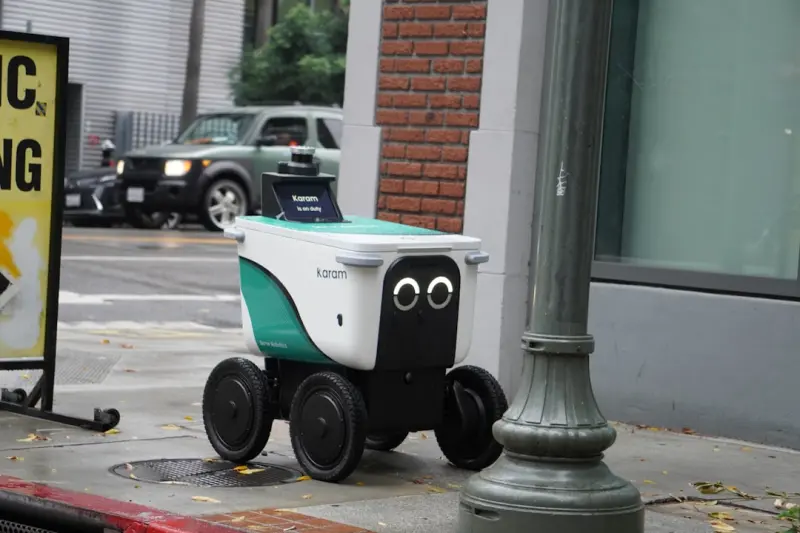
When Delivery Robots Collide: Personal Injury Law in the Age of Autonomous Streets
It’s a scene that feels ripped from a sci‑fi short story: a sleek, box‑shaped robot glides down the sidewalk, humming softly as it delivers a hot latte to a commuter’s desk. Suddenly, the robot miscalculates a curb, tips over, and the coffee splashes onto a passerby’s shoes, sending them sprawling into traffic. In the next moment, you’ve got an unexpected personal injury claim on your hands.
Welcome to the brave new world of autonomous delivery robots. While the technology promises convenience, reduced carbon footprints, and a fresh revenue stream for retailers, it also creates a legal frontier that many personal injury attorneys—including yours truly—are only beginning to map out.
Why Autonomous Delivery Robots Are a Personal Injury Game‑Changer
For decades, personal injury law has evolved alongside transportation innovations: horses, automobiles, motorcycles, ride‑sharing services. Each wave introduced fresh questions about liability, negligence, and the duty of care owed to the public. Autonomous delivery robots (often called “delivery bots” or “last‑mile bots”) are no different, but they add a layer of complexity that traditional doctrines weren’t designed to handle.
Here are three reasons these little machines are shaking up the status quo:
- Algorithmic Decision‑Making: The robot’s navigation is governed by proprietary software, not human intuition. Determining whether a malfunction was due to a coding error, inadequate testing, or unforeseeable environmental factors is a technical puzzle.
- Shared Responsibility: Ownership, operation, and maintenance may involve multiple parties—manufacturers, software developers, fleet operators, and even the businesses that commission the deliveries.
- Public Space Ambiguity: Sidewalks have traditionally been the domain of pedestrians. When a robot enters that space, who is responsible for ensuring it behaves safely?
Who’s on the Hook? Dissecting Liability
When a pedestrian slips on a spilled latte, the instinctive question is “who’s at fault?” In the era of autonomous bots, the answer can be a mosaic of parties:
1. Manufacturer Liability
Under product liability principles, manufacturers can be held strictly liable if a defect in design, manufacturing, or warning caused the injury. If a robot’s sensor fails to detect a curb, leading to a tumble, that could be a design defect. The manufacturer may argue that the defect was unforeseeable, but courts are increasingly scrutinizing whether adequate testing was performed before market release.
2. Software Developer Liability
When the brain of the robot is a piece of code, a software glitch can be as lethal as a broken brake line. Recent case law is beginning to treat software as a “product” for liability purposes. If a third‑party developer supplied the navigation algorithm, they could be exposed to claims for negligent coding or failure to provide proper updates.
3. Operator / Fleet Manager Liability
The entity that owns the fleet—whether it’s a startup, a grocery chain, or a logistics giant—has a duty to maintain the robots, conduct regular safety checks, and respond to incidents. Neglecting routine sensor calibration could be deemed negligent maintenance, opening the door to liability.
4. Premises Owner Liability
If a robot delivers onto a private property (think a condo lobby or a corporate campus) and the property owner failed to provide a safe delivery zone, the owner could share responsibility. The legal doctrine of “premises liability” extends to any foreseeable hazards on the premises, including autonomous machines.
Negligence Standards in the Age of Autonomy
Traditional negligence analysis asks: (1) duty, (2) breach, (3) causation, and (4) damages. Applying this to delivery bots requires a fresh lens.
- Duty of Care: Courts will likely find that anyone who deploys a robot into public sidewalks owes a duty to pedestrians to ensure the robot operates safely.
- Breach: Breach can be proven by showing the robot’s sensors were outdated, software updates were ignored, or the operator ignored known safety guidelines.
- Causation: Technical experts (often robotics engineers) will be called upon to trace the chain of events—from a faulty LIDAR reading to the robot’s tip‑over.
- Damages: Physical injuries, emotional distress, and even loss of income from a temporary disability are all on the table.
In practice, the burden of proof often shifts to the defendant—especially when the plaintiff can demonstrate that the robot’s operation violated industry standards or regulatory guidelines.
Regulatory Landscape: From the Streets to the Courts
Many municipalities have begun to draft ordinances specifically for autonomous delivery bots. Some cities require a “bot permit,” mandatory safety inspections, and insurance coverage that mirrors that of traditional delivery vans. However, regulations vary wildly, and there’s no federal framework yet. This patchwork creates both opportunities and pitfalls for plaintiffs:
- Insurance Gaps: If a fleet operator lacks adequate liability insurance (or if the policy excludes pedestrian injuries), victims may struggle to collect compensation.
- Compliance Defense: Defendants will often argue that they adhered to every local ordinance, hoping to deflect liability. Yet compliance does not automatically absolve negligence.
- Emerging Standards: Industry groups are collaborating on safety standards—think ISO guidelines for autonomous ground vehicles. Courts may use these standards as a benchmark for reasonable care.
Case Study: A Coffee Spill Turns Into a Lawsuit
Imagine a scenario that could be straight out of a legal drama: A delivery robot, carrying a thermally insulated bag of coffee, misreads a curb due to a software update that unintentionally altered the sensor’s calibration. The bag tears, coffee erupts, and the victim slips, fracturing their wrist.
In this case, the plaintiff’s legal team would likely pursue a multi‑pronged approach:
- File a product liability claim against the robot’s manufacturer, arguing a design defect in the sensor suite.
- Serve a negligence claim on the fleet operator for failing to test the new software before deployment.
- Investigate whether the software developer breached its contractual duty to provide “bug‑free” code, potentially leading to a third‑party claim.
- Examine local ordinances to see if the operator violated any specific safety requirements for autonomous bots.
The resulting settlement could include medical expenses, rehabilitation costs, lost wages, and a portion for “pain and suffering.” It may also trigger a broader industry push for stricter testing protocols.
Comparative Insights: Lessons From Other Emerging Tech Injuries
While delivery bots are fresh on the scene, we can draw parallels from other tech‑driven injury arenas. For instance, the personal injury in immersive worlds space has taught us how courts grapple with intangible environments, liability waivers, and the role of manufacturers. Similarly, the ride‑sharing injury complexities have shown that shared‑ownership models often dilute responsibility, prompting plaintiffs to target the platform itself.
Both cases underline a crucial point: when technology mediates the interaction between people and the physical world, liability becomes a collaborative tapestry rather than a single thread. That lesson is directly applicable to autonomous delivery robots.
Practical Steps for Victims and Their Advocates
If you—or someone you know—has been injured by an autonomous delivery robot, here are actionable steps to protect your rights:
- Document the Incident: Capture photos or video of the scene, the robot’s branding, and any visible damage. Record witness statements as soon as possible.
- Seek Immediate Medical Attention: Even minor injuries can have hidden complications. A medical record creates an essential link between the incident and your damages.
- Obtain the Robot’s Identification: Many bots display a QR code or company logo. This information is vital for locating the responsible fleet operator.
- Report to Local Authorities: Filing a police report establishes an official record, which can be useful for insurance claims.
- Consult an Attorney Early: Personal injury attorneys with tech expertise can preserve electronic evidence, such as the robot’s data logs, before they’re overwritten.
Future Outlook: What’s Next for the Law?
As autonomous delivery bots become ubiquitous—think grocery aisles, office campuses, and suburban neighborhoods—the legal system will continue to adapt. Anticipated developments include:
- Standardized Liability Insurance: Legislators may mandate minimum coverage levels for bot fleets, ensuring victims have a clear recovery path.
- Mandatory Data Retention: Regulations could require bots to retain sensor data for a set period post‑incident, preserving crucial evidence.
- Enhanced Safety Protocols: Industry‑wide safety certifications could become a prerequisite for operating on public sidewalks.
- Class‑Action Potential: As more incidents surface, we may see class actions targeting manufacturers for systemic design flaws.
In the meantime, personal injury practitioners must stay ahead of the curve—understanding the tech, building relationships with robotics experts, and advocating for robust consumer protections.
Conclusion: Turning a Slip‑Up Into Legal Insight
Autonomous delivery robots are poised to reshape the logistics landscape, but they also bring a wave of personal injury challenges that demand fresh legal thinking. By dissecting liability, staying attuned to evolving regulations, and learning from analogous tech‑driven injury arenas, we can ensure that victims receive the compensation they deserve while fostering a safer, more accountable future for autonomous technology.
Whether you’re a plaintiff navigating the maze of manufacturers, software developers, and fleet operators, or a legal professional seeking to expand your practice into this burgeoning field, the key is to blend technical insight with a steadfast commitment to the rights of injured pedestrians.

I am Madden Persons, a content writer and digital influencer dedicated to crafting impactful stories and building authentic online connections. With a strategic approach to content creation, I develop engaging articles, digital campaigns, and social media narratives that help brands elevate their online presence and connect meaningfully with their target audiences.
Passionate about modern digital trends and audience engagement, I specialize in translating complex ideas into compelling content that sparks conversation, drives results, and strengthens brand identity.
Related Posts

Virtual Reality Injuries: New Frontiers in Personal Injury Law
Virtual reality is creating a surge of new injury claims—from physical collisions to equipment mal... Read More
Personal Injury in the Gig Economy: Who’s Liable When the Platform Fails?
A deep dive into gig‑economy personal injury law, covering classification, insurance gaps, data ri... Read More

Wearable Tech and the New Frontier of Personal Injury Law
Wearable devices are becoming critical evidence in personal injury cases, offering objective data on... Read More
Top Posts

Rebuilding Wealth After Divorce: A Modern Playbook
Divorce can feel like a financial cliff, but with a forensic audit, strategic income diversification, and modern legal tools, you can rebuild wealth and gain la...Read More
Why Impaired Driving Is a Silent Threat to Your Supply Chain Resilience
Impaired driving may seem like a personal issue, but it ripples through logistics, inflating costs, delaying shipments, and raising insurance premiums. This art...Read More
When Algorithms Diagnose: Unpacking Liability in the Age of AI‑Driven Medicine
AI-powered diagnosis is transforming healthcare, but it raises complex liability questions. This article examines regulatory gaps, consent issues, bias, and pra...Read More

When Feature Flags Turn Into Time Bombs
Feature flags promise speed, but without strict governance they become hidden dangers. This post reveals the risks of unmanaged toggles and offers a concrete ch...Read More
0 Comments
Post Comment
You will need to Login or Register to comment on this post!