
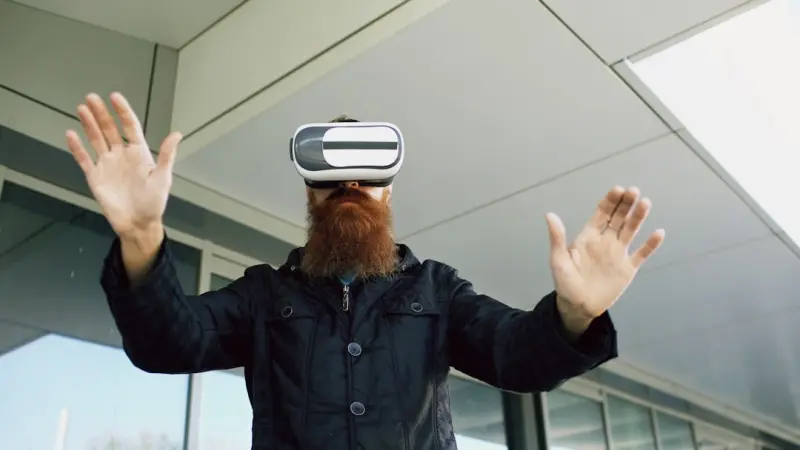
When I first walked into a client’s living room and saw a sleek headset perched on a coffee table, I thought about the familiar scene of a broken arm or a slipped disc. Little did I know that the next decade would bring a flood of cases where the “accident” happened inside a digital world, yet the consequences were all too real.
The Unseen Rise of Virtual Reality Mishaps
Virtual reality (VR) has exploded from a niche hobby into a mainstream platform for entertainment, training, and even therapy. According to industry analysts, millions of headsets are sold each year, and dozens of public venues—from arcades to shopping malls—offer immersive experiences. But with that growth comes a stark reality: the physical space surrounding the user often goes unnoticed, turning a seemingly harmless game into a serious injury risk.
From neck strains caused by abrupt head movements, to fractured limbs from colliding with furniture, and even ocular injuries from malfunctioning lenses, the spectrum of VR‑related injuries is widening. As a personal injury attorney, I’ve begun to see a pattern that mirrors the early days of e‑scooter accidents—new technology, new hazards, and a legal landscape that’s still catching up.
What Types of Injuries Are We Talking About?
- Physical collisions: Users who lose balance or fail to clear a room can crash into walls, glass doors, or other patrons.
- Motion‑induced ailments: Prolonged use can trigger motion sickness, vertigo, and even chronic vestibular disorders.
- Equipment failures: Faulty straps, loose cables, or defective batteries have led to burns, lacerations, and electric shocks.
- Psychological trauma: Intense simulations—especially those used in therapy or training—can cause anxiety attacks or PTSD‑like symptoms.
Who Holds the Legal Responsibility?
The answer isn’t as simple as pointing a finger at the “manufacturer.” Liability in VR cases often splits among several parties:
- Device manufacturers: If a headset’s hardware malfunctions—say a battery overheats and burns a user—the maker can be held strictly liable under product liability doctrines.
- Software developers: When an app fails to provide adequate safety warnings or includes design flaws that induce dangerous movements, developers may be sued for negligence.
- Venue operators: Arcades, malls, and event organizers who host VR stations must ensure the physical space is clear, the equipment is maintained, and users are supervised.
- Third‑party accessory providers: From aftermarket straps to motion‑tracking mats, any accessory that contributes to an injury can become part of the lawsuit.
Collecting the Evidence You Need
One of the biggest challenges in VR injury cases is proving that the physical injury originated from the virtual experience. Here’s a roadmap I advise my clients to follow:
- Document the scene: Photos or videos of the area, the headset, and any visible hazards.
- Preserve the equipment: Keep the headset, controllers, and accessories for forensic analysis.
- Secure medical records: Immediate emergency room reports, imaging studies, and follow‑up therapist notes are crucial.
- Obtain witness statements: Staff, fellow participants, or bystanders can corroborate how the incident unfolded.
- Gather digital logs: Many VR systems record session data—duration, user movements, and error codes—that can illuminate the cause.
Comparative Negligence and the “User Responsibility” Myth
Defendants often argue that the user “failed to pay attention” or “ignored safety warnings.” While personal responsibility is a factor, courts examine whether the warnings were clear, prominent, and reasonable. If a venue placed a headset on a high‑traffic aisle without a barrier, that’s a glaring oversight that can outweigh a user’s lack of awareness.
In jurisdictions that apply comparative negligence, the plaintiff’s fault is weighed against the defendant’s. A user might be found 20% at fault for not following instructions, but that doesn’t bar recovery—it merely reduces the award proportionally.
The Role of Insurance in the VR Ecosystem
Insurance carriers are scrambling to adapt. Traditional general liability policies may cover venue injuries, but they often exclude “technology‑related” claims. Meanwhile, manufacturers are negotiating product liability coverage that explicitly references “wearable electronics.” For victims, understanding the insurance landscape can be the difference between a quick settlement and a prolonged battle.
Why This Is More Than Just a Trend
VR is no longer a novelty. Corporations are using it for employee onboarding, surgeons are training on virtual patients, and schools are integrating immersive lessons. Each new application introduces a fresh set of risk vectors. Consider the following emerging scenarios:
- Corporate training accidents: Employees stumbling while navigating a virtual warehouse could incur injuries that affect workers’ compensation claims.
- Therapeutic misuse: A mental‑health clinic using VR for exposure therapy might inadvertently trigger severe anxiety attacks, opening the door to malpractice suits.
- Home‑based gaming: Families renting a headset for a weekend can experience injuries that involve both product liability and premises liability if the device is used in a cramped space.
Practical Steps for Potential Victims
If you or a loved one has been hurt while using VR, follow these guidelines to protect your legal rights:
- Seek immediate medical care. Even if you feel fine, some injuries (like concussions) manifest later.
- Report the incident. Notify the venue or retailer in writing, detailing what happened.
- Preserve evidence. Don’t discard the headset or any accessories; they can be critical for a product‑defect analysis.
- Document everything. Keep a log of symptoms, medical appointments, and any communication with the responsible parties.
- Consult an attorney early. Early legal counsel can help you navigate complex liability issues before insurers or manufacturers push back.
Looking Ahead: Regulatory and Industry Responses
Regulators are beginning to take notice. The Consumer Product Safety Commission (CPSC) has issued draft guidelines urging manufacturers to implement “spatial awareness alerts” that warn users when they approach obstacles. Meanwhile, industry groups are drafting best‑practice standards for venue operators—think “clear floor markings” and “mandatory staff supervision.”
These developments signal that the law will evolve, but they also mean that victims currently suffering from injuries may still have to rely on traditional personal injury doctrines—product liability, negligence, and premises liability—to secure compensation.
Connecting the Dots: Why Every Personal Injury Lawyer Should Care
VR injuries are a microcosm of how technology reshapes risk. The same principles that apply to a gig‑economy worker’s exposure to hazards or the hidden costs of injury claims in complex properties now surface in the digital realm. As attorneys, we must broaden our investigative toolkit, understand the technical nuances, and anticipate the evolving standards that courts will apply.
Conclusion: Turning a New Challenge Into an Opportunity to Advocate
The excitement surrounding virtual reality shouldn’t eclipse the very real injuries that can occur when the digital meets the physical. By staying informed about the technology, rigorously gathering evidence, and applying tried‑and‑true personal injury principles, we can help victims obtain the compensation they deserve while pushing the industry toward safer practices.
If you’ve experienced a VR‑related injury, remember that you’re not alone—new legal pathways are forming, and a seasoned advocate can navigate the maze on your behalf.

I am Madden Persons, a content writer and digital influencer dedicated to crafting impactful stories and building authentic online connections. With a strategic approach to content creation, I develop engaging articles, digital campaigns, and social media narratives that help brands elevate their online presence and connect meaningfully with their target audiences.
Passionate about modern digital trends and audience engagement, I specialize in translating complex ideas into compelling content that sparks conversation, drives results, and strengthens brand identity.
Related Posts

Self‑Driving Car Accident Claims: Protecting Your Rights After an Autonomous Crash
A comprehensive guide on handling personal injury cases involving self‑driving car crashes, coveri... Read More

Turning a Personal Injury Setback into a Strategic Victory
Discover how early documentation, smart witness handling, and awareness of modern tech can turn a pe... Read More

When the Virtual Playground Turns Hazardous: Personal Injury in Immersive Tech
A deep dive into personal injury claims arising from virtual reality and mixed reality experiences, ... Read More
Top Posts

When Love Meets the Gig: Spousal Liability in the Freelance Economy
This article examines how the rise of freelance and platform‑based work impacts marital assets and liabilities, offering legal strategies and practical tips t...Read More

Digital Heirlooms: Crafting Trusts for the Age of Crypto and AI
A forward‑looking guide for families and trustees on integrating cryptocurrency, NFTs, and other digital assets into trust structures, with practical tools, l...Read More

How AI is Redefining the Practice of Law
Artificial intelligence is turning legal work upside down, from research to courtroom tactics. Discover the opportunities, ethical puzzles, and the path forward...Read More

Finding Freedom After Divorce: A Personal Journey to Healing and Growth
A candid, step‑by‑step guide to reclaiming life after divorce, blending community support, creative therapy, and modern co‑parenting tools....Read More
0 Comments
Post Comment
You will need to Login or Register to comment on this post!