

Why Automotive Law Is No Longer a Niche
In the past, automotive law lived in the shadows of larger legal battles, reserved for the occasional accident lawsuit or a rare recall dispute. Today, the landscape has exploded with new technology, shifting consumer expectations, and a cascade of regulations that affect every driver on the road. Connected cars, autonomous driving systems, and data‑driven insurance models have turned a once‑static field into a high‑speed arena where statutes evolve as quickly as firmware updates. This shift forces lawyers, policymakers, and everyday motorists to stay informed, because a single software glitch can trigger a multi‑state class action, and a new emissions rule can reshape fleet management overnight. The urgency is real: businesses that ignore the legal currents risk costly penalties, while drivers who are unaware may find themselves without coverage when a self‑driving car misbehaves. Understanding these dynamics isn’t just academic; it’s essential for protecting both wallets and safety on an increasingly intelligent roadway.
Connected Vehicles and Data Privacy
One of the most electrifying developments is the rise of connected vehicles that constantly stream data to manufacturers, insurers, and third‑party app developers. This torrent of information raises thorny questions about consent, ownership, and the limits of surveillance. When a car records its location, speed, and even driver biometrics, who has the legal right to access that data? Courts are beginning to treat this information as personal data, subject to privacy statutes that were originally designed for smartphones and computers. As a result, manufacturers are scrambling to embed privacy‑by‑design principles, while legislators draft bills that balance innovation with consumer protection. The conversation often circles back to the broader theme of fast‑lane of automotive law, where each new feature can trigger a fresh legal debate, from data breach liabilities to cross‑border data transfer rules.
Beyond privacy, the data collected by connected cars fuels a new breed of usage‑based insurance (UBI). Insurers can now price policies in real time based on how gently you brake or how often you drive at night. While this promises lower premiums for safe drivers, it also opens the door to discrimination claims if algorithms inadvertently penalize certain demographics. The legal community is wrestling with how to ensure transparency in algorithmic decisions, a challenge that mirrors broader tech‑law battles. As we watch these trends unfold, it becomes clear that the future of automotive law will be defined as much by data governance as by traditional traffic statutes.
Autonomous Driving: Liability in the Age of Algorithms
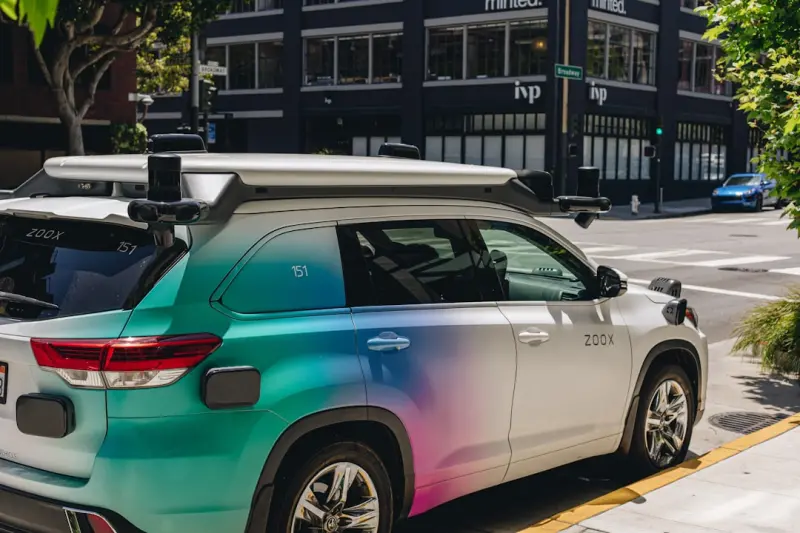
Autonomous vehicles (AVs) represent the pinnacle of automotive innovation, yet they also pose the most complex liability questions of our time. When a self‑driving car collides with a pedestrian, who bears responsibility? Is it the human occupant, the software developer, the sensor supplier, or the vehicle owner? The answer varies by jurisdiction, but a common thread is the shift from driver negligence to product liability and even “algorithmic fault.” Courts are beginning to treat the underlying code as a “manufacturer’s instrument,” opening the door for plaintiffs to sue software firms for defective algorithms. This evolving doctrine forces companies to adopt rigorous testing, documentation, and even “black‑box” recording standards akin to aviation.
Insurance products are scrambling to keep pace. Traditional liability coverage is being re‑engineered to address “software‑only” crashes, while new policies are emerging that specifically cover cyber‑attacks on vehicle control systems. The intersection of cyber‑risk and automotive safety is where insurance law in a changing world truly shines, as insurers must now evaluate the security posture of code as part of underwriting. This creates a feedback loop: better security reduces premiums, which incentivizes manufacturers to invest in robust cybersecurity measures. The legal stakes are high, and the industry is still learning where the liability line is drawn.
Regulatory Overhaul: Emissions, Safety, and the Global Marketplace
Governments worldwide are tightening emissions standards, safety requirements, and consumer‑protection rules, turning compliance into a moving target for automakers. The push for zero‑emission vehicles has led to a cascade of incentives, mandates, and penalties that can make or break a model’s viability. Simultaneously, safety standards are evolving to address new technologies like advanced driver‑assistance systems (ADAS), which must meet rigorous performance benchmarks before they can be marketed. Manufacturers that fail to certify these systems correctly may face recalls, fines, or even criminal investigations. The legal calculus becomes even more intricate when a vehicle is sold across borders, requiring compliance with multiple, sometimes conflicting, regulatory regimes.
To navigate this maze, many companies are turning to specialized compliance teams that track legislative changes in real time. These teams often rely on detailed checklists that outline obligations ranging from CO₂ reporting to software update disclosure. Below is a quick reference many firms find useful:
- Track emissions thresholds and applicable credits.
- Validate ADAS performance against national safety standards.
- Maintain transparent firmware update logs for regulators.
- Ensure data‑privacy notices align with local privacy laws.
By treating compliance as an ongoing process rather than a one‑time certification, automakers can reduce the risk of costly litigation and keep their products moving smoothly from factory floor to freeway.
The Rise of Consumer Litigation and Class Actions
As vehicles become more software‑centric, consumer expectations have risen dramatically. When a promised over‑the‑air update fails to deliver, drivers are quick to sue, alleging breach of contract, misrepresentation, or even fraud. Class‑action lawsuits have become a common weapon for consumers seeking redress for widespread issues, from faulty infotainment systems to deceptive fuel‑efficiency claims. These cases often settle for millions, sending a clear market signal that manufacturers must honor their digital promises. The legal community is watching these trends closely, because each settlement sets a precedent that can influence future product disclosures and warranty language.
Law firms specializing in automotive litigation are now employing data scientists to sift through telematics data, identifying patterns that bolster a class‑action claim. This interdisciplinary approach mirrors the broader trend of tech‑enabled legal practice, where expertise in both law and data analysis becomes a competitive advantage. For drivers, the takeaway is simple: stay informed about your vehicle’s software roadmap, read the fine print on update policies, and don’t hesitate to assert your rights if a promised feature never materializes.
Future Outlook: Preparing for a Legal Landscape in Motion
The road ahead for automotive law is anything but static. Emerging technologies such as vehicle‑to‑infrastructure (V2I) communication, blockchain‑based ownership registries, and AI‑driven predictive maintenance will introduce new legal questions about liability, data ownership, and contractual obligations. Practitioners must cultivate a mindset of continuous learning, partnering with engineers, data analysts, and policy makers to anticipate the next wave of regulation. For businesses, investing in proactive legal risk assessments can mean the difference between leading the market and being forced into costly reactive litigation.
Ultimately, the driver’s seat of automotive law is being shared by many stakeholders, each bringing their own priorities and expertise. By staying attuned to the rapid developments in technology, policy, and consumer expectations, we can shape a future where innovation thrives without sacrificing accountability. As the industry accelerates, the legal framework must keep pace, ensuring that every mile driven is backed by clear, fair, and forward‑looking rules.

Steven McClurry is a freelance writer. He loves to write controversial topics and on a wide rang of topics. When is not online he is hanging out at his college campus or playing online games.
Related Posts

Why the “Driver” in Autonomous Vehicles Might Soon Be a Piece of Code
The shift to autonomous vehicles is redefining who—or what—is responsible behind the wheel. This... Read More
The Hidden Legal Pitfalls of Autonomous Ride‑Sharing Fleets
A deep dive into how autonomous ride‑sharing fleets are reshaping liability, privacy, and insuranc... Read More

Over‑the‑Air Updates: The New Legal Frontier in Automotive Liability
Over‑the‑air updates are transforming vehicles into living software platforms, raising fresh leg... Read More
Top Posts
Over‑the‑Air Updates: The New Legal Frontier in Automotive Liability
Over‑the‑air updates are transforming vehicles into living software platforms, raising fresh legal questions about liability, consent, data privacy, and ins...Read More

Family Governance: Turning Trusts into Strategic Boards
A fresh look at trusts reveals the power of family governance—a board‑like structure that adds strategic oversight, transparent communication, and ESG‑foc...Read More

From Data to Dominance: Rethinking SEO for an AI‑First World
Explore a fresh SEO playbook that blends AI research, content clusters, and structured data to build authority, trust, and lasting search success....Read More

2024 Automotive Law Trends: How Innovation is Redefining the Road
Discover the 2024 shifts in automotive law, from AI-driven liability to data privacy, and get insider strategies to keep your practice ahead of the curve....Read More
0 Comments
Post Comment
You will need to Login or Register to comment on this post!