

The Intersection of Automotive Law and Technology: Emerging Trends and Challenges
As we continue to navigate the complexities of the modern world, the automotive industry is undergoing a significant transformation. With the rise of autonomous vehicles, advanced safety features, and increasing reliance on technology, the field of automotive law is facing new and unprecedented challenges. In this article, I, Steven McClurry, will explore the emerging trends and challenges in automotive law, and what they mean for drivers, manufacturers, and lawmakers alike.
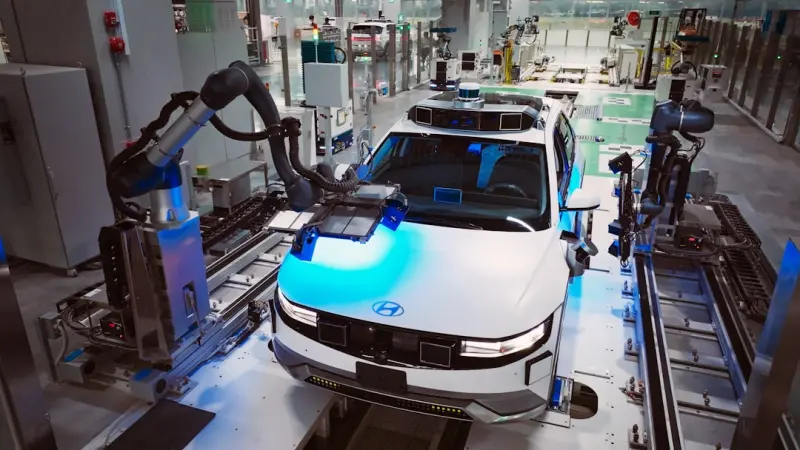
The automotive industry is on the cusp of a revolution, with autonomous vehicles set to become increasingly common on our roads. But as these vehicles become more prevalent, questions arise about liability and responsibility in the event of an accident. Who is at fault if a self-driving car is involved in a collision? Is it the manufacturer, the software developer, or the passenger? These are just a few of the complex questions that lawmakers and lawyers are grappling with as we move forward.
The Role of Technology in Automotive Law
Technology is playing an increasingly important role in automotive law, from advanced safety features like lane departure warning systems and blind spot detection, to the use of data analytics to track driver behavior. But as technology becomes more integrated into our vehicles, concerns arise about data privacy and cybersecurity. Who owns the data collected by these systems, and how can we ensure that it is protected from hackers and other malicious actors?
One of the key challenges facing lawmakers and regulators is how to keep pace with the rapid evolution of technology in the automotive industry. As new technologies emerge, they must navigate complex regulatory frameworks and ensure that they are compliant with existing laws and regulations. This can be a difficult and time-consuming process, and one that requires close collaboration between lawmakers, industry stakeholders, and experts.
The Impact of Autonomous Vehicles on Liability
The rise of autonomous vehicles is set to have a significant impact on liability in the automotive industry. As these vehicles become more common, questions arise about who is responsible in the event of an accident. Liability is a complex issue, and one that will require careful consideration by lawmakers and lawyers. In some jurisdictions, strict liability laws are being implemented, which hold manufacturers responsible for any accidents involving their vehicles. But in others, negligence-based laws are being applied, which require proof of fault or negligence on the part of the manufacturer or driver.
The implications of autonomous vehicles on liability are far-reaching, and will require significant changes to existing laws and regulations. As the automotive industry continues to evolve, lawmakers and regulators must stay ahead of the curve and ensure that they are equipped to deal with the complex challenges that arise.
The Importance of Cybersecurity in the Automotive Industry
As vehicles become increasingly connected to the internet, concerns arise about cybersecurity and the potential for hacking and other malicious activities. Vehicle systems are vulnerable to cyber threats, and manufacturers must take steps to ensure that their systems are secure and protected. This can include implementing robust security protocols and conducting regular security audits to identify and address potential vulnerabilities.
The importance of cybersecurity in the automotive industry cannot be overstated. As vehicles become increasingly connected, the risk of cyber threats increases, and manufacturers must take proactive steps to protect their systems and ensure the safety of drivers and passengers.
The Future of Automotive Law
The future of automotive law is complex and rapidly evolving. As technology continues to advance, lawmakers and regulators must stay ahead of the curve and ensure that they are equipped to deal with the complex challenges that arise. This will require close collaboration between lawmakers, industry stakeholders, and experts, as well as a willingness to adapt and evolve existing laws and regulations.
In conclusion, the intersection of automotive law and technology is a rapidly evolving field that presents both opportunities and challenges. As we move forward, it is essential that lawmakers, regulators, and industry stakeholders work together to ensure that the benefits of technology are realized, while minimizing the risks and challenges.
Some key takeaways from this article include:
- The rise of autonomous vehicles is set to have a significant impact on liability in the automotive industry.
- Technology is playing an increasingly important role in automotive law, from advanced safety features to data analytics.
- Cybersecurity is a critical concern in the automotive industry, as vehicles become increasingly connected to the internet.
As we navigate the complexities of the modern world, it is essential that we stay informed and up-to-date on the latest developments in automotive law. Whether you are a driver, manufacturer, or lawmaker, understanding the emerging trends and challenges in this field is crucial for navigating the road ahead.
Additional Resources
For those interested in learning more about automotive law and the intersection of technology and law, there are a number of resources available. Search engine optimization is a critical component of online exposure for law firms, and can help to increase visibility and reach for those interested in learning more about these topics.
By staying informed and up-to-date on the latest developments in automotive law, we can work together to create a safer, more efficient, and more sustainable transportation system for all.
Conclusion
The intersection of automotive law and technology is a complex and rapidly evolving field that presents both opportunities and challenges. As we move forward, it is essential that lawmakers, regulators, and industry stakeholders work together to ensure that the benefits of technology are realized, while minimizing the risks and challenges.
By understanding the emerging trends and challenges in automotive law, we can navigate the road ahead with confidence and create a better future for drivers, manufacturers, and lawmakers alike.

Steven McClurry is a freelance writer. He loves to write controversial topics and on a wide rang of topics. When is not online he is hanging out at his college campus or playing online games.
Related Posts
Who Owns Your Autonomous Car’s Data? Legal Implications for the Future of Mobility
Autonomous vehicles generate massive, sensitive data streams, raising complex questions about owners... Read More

The Hidden Legal Minefield of Vehicle Subscription Services
Vehicle subscriptions promise flexibility and all‑inclusive pricing, but they also raise complex l... Read More

I Was in a Fender Bender, Do I Need a Lawyer? A Comprehensive Guide
Being involved in a fender bender, even a minor one, can be a stressful and overwhelming experience.... Read More
Top Posts

Managing Shared Online Accounts After Divorce
Divorcing couples often overlook the complex web of shared online accounts that can cause privacy leaks and extra costs. This guide offers a step‑by‑step pl...Read More

The Legal Tightrope of Cyber Liability: Aggregates, Drafting, and Emerging Risks
Cyber liability insurance is no longer a niche product; it now sits at the intersection of evolving regulations, complex aggregate limits, and precise policy la...Read More

Decoding SaaS Subscription Tax: Revenue, Compliance, Strategy
A deep dive into SaaS subscription taxation, covering nexus, product classification, tax points, cross‑border VAT/GST, digital services taxes, R&D credits, an...Read More

The Hidden Hazard of Self‑Healing Infrastructure
Self‑healing systems promise instant remediation, but without intent‑first guardrails, human checks, and robust observability, they can become hazardous. Th...Read More
0 Comments
Post Comment
You will need to Login or Register to comment on this post!