
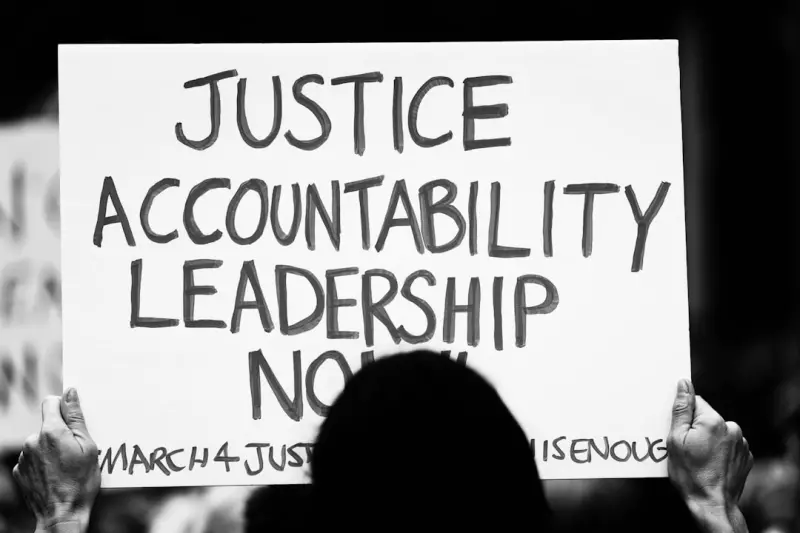
Why Restorative Justice Is Gaining Momentum in Criminal Law
In the courtroom corridors where I have spent countless hours reviewing briefs and negotiating plea deals, a quiet revolution is taking shape: restorative justice is moving from theory to practice at an unprecedented pace. Unlike the traditional retributive model that focuses on punishment, this approach invites victims, offenders, and community members to sit together and craft a resolution that acknowledges harm and promotes healing. The shift feels like a breath of fresh air for a system that often leaves both sides feeling unheard, and it aligns with my belief that law should serve humanity, not merely enforce statutes.
From Ancient Traditions to Modern Statutes
The roots of restorative justice stretch back to Indigenous conflict‑resolution rituals, where circles of elders facilitated dialogue and restitution. Over the past two decades, jurisdictions across the country have codified these practices into statutes that allow for victim‑offender mediation, community service agreements, and even restorative sentencing alternatives. Seeing these laws drafted and implemented has reinforced my conviction that the legal profession can evolve without abandoning its foundational principles of fairness and due process.
Legal Frameworks That Make It Work
Today, many states have enacted specific statutes that empower judges to order restorative programs as part of a criminal sentence, while federal guidelines encourage pilot projects in federal prisons. Key mechanisms include Victim‑Offender Mediation (VOM), Family Group Conferencing, and Community Accountability Boards, each designed to give victims a voice and offenders a chance to make amends. Understanding how these frameworks intersect with traditional criminal procedure is essential for any defense attorney who wants to offer clients a meaningful alternative to incarceration.
Measurable Benefits for Victims and Communities
Empirical studies consistently show that participants in restorative processes report higher satisfaction than those who simply navigate the adversarial system. Victims often describe a sense of closure that punitive measures alone cannot provide, while offenders benefit from reduced recidivism rates—sometimes as much as 30 % lower than comparable groups who served traditional sentences. These outcomes resonate with my own observations: when a perpetrator acknowledges responsibility and takes concrete steps to repair harm, the ripple effect can transform entire neighborhoods.
Challenges That Must Be Addressed
Despite its promise, restorative justice is not a panacea; power imbalances can surface when a vulnerable victim faces a seasoned offender, and the process can inadvertently re‑traumatize participants if not expertly facilitated. Moreover, critics argue that some crimes—particularly violent felonies—may be ill‑suited for mediation, raising concerns about equity and public safety. As practitioners, we must develop rigorous screening criteria, ensure trained facilitators are available, and maintain transparent oversight to guard against misuse.
Technology’s Role in Expanding Access
Digital platforms are now enabling virtual restorative circles, which can bring together parties separated by geography or health constraints. While these tools increase accessibility, they also raise new legal questions about confidentiality, digital evidence, and the authenticity of online statements. For instance, the rise of social media evidence has forced courts to grapple with how digital footprints intersect with restorative agreements, a tension that requires careful navigation to protect participants’ rights.
Case Study: A Community‑Based Program That Changed Lives
Last year, a mid‑size city launched a pilot restorative justice program for non‑violent property crimes, pairing offenders with victims in facilitated dialogues. The initiative resulted in over 200 agreements, including restitution payments, community service, and public apologies. One notable case involved a young adult who stole a bicycle; after meeting the owner, he not only repaid the value but also volunteered to teach bike safety to local youth. The success of this program has been documented in a recent cybercrime prosecution report, highlighting how restorative principles can complement traditional enforcement even in digitally‑enabled offenses.
Looking Ahead: Policy Recommendations and Call to Action
To embed restorative justice firmly within our criminal justice system, lawmakers should allocate funding for certified facilitators, mandate impact assessments for every program, and create statutory safeguards that ensure victims retain the right to decline participation without penalty. Legal educators must also incorporate restorative theory into curricula so the next generation of attorneys can advocate confidently for these alternatives. As someone who has witnessed both the bruising rigidity of the old system and the hopeful possibilities of the new, I urge practitioners, judges, and policymakers to champion restorative justice—not as a gimmick, but as a durable path toward a more humane and effective legal landscape.

Kris M. Chen is a dedicated legal paralegal based in Texas, specializing in delivering comprehensive case management and litigation support. Known for a meticulous approach to legal research and document preparation, Kris plays a vital role in navigating complex legal workflows and ensuring seamless trial preparation.
Related Posts

When Algorithms Become Accused: Navigating Criminal Liability in the AI Era
A deep dive into the challenges and strategies surrounding AI‑driven crime, from attributing culpa... Read More

Beyond the Gavel: How Restorative Justice is Reshaping Criminal Law
Restorative justice reframes crime as a breach of relationships, emphasizing healing for victims, of... Read More

When Deepfakes Cross the Line: Criminal Law’s Battle Against Synthetic Deception
Deepfake technology is turning deception into a crime, forcing legislators, prosecutors, and platfor... Read More
Top Posts

Riding the Legal Curve: How Autonomous Driving Software is Redefining Liability
A deep dive into how autonomous driving software is upending traditional fault models, influencing insurance, and demanding new legal frameworks for manufacture...Read More

Family Business Succession: Trust Strategies to Preserve Your Legacy
A practical guide to using trusts for family business succession, covering dynasty trusts, FLPs, digital assets, and tax strategies to safeguard your legacy....Read More

The Unseen Legal Checklist Every Couple Needs Before the Wedding
A practical guide to the hidden legal steps couples overlook, from marriage licenses to estate planning, ensuring a solid foundation for lifelong partnership....Read More

Self‑Driving Car Accident Claims: Protecting Your Rights After an Autonomous Crash
A comprehensive guide on handling personal injury cases involving self‑driving car crashes, covering liability, data evidence, insurance nuances, and actionab...Read More
0 Comments
Post Comment
You will need to Login or Register to comment on this post!