
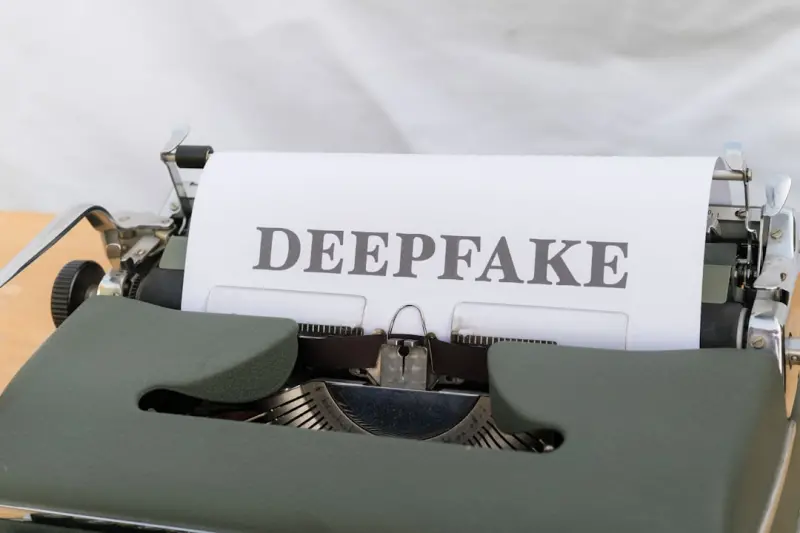
Deepfake media—hyper‑realistic videos and audio generated by artificial intelligence—have moved from a novelty on internet forums to a weapon that can sway elections, ruin reputations, and manipulate markets. As the technology becomes more accessible, the legal system is scrambling to keep pace. In this post I’ll dissect the emerging legal challenges, map the current regulatory landscape, and outline practical steps for lawyers, companies, and policymakers who want to stay ahead of the curve.
Understanding the Deepfake Phenomenon
At its core, a deepfake is a synthetic media artifact created by training neural networks on large datasets of real footage. The result is an output that can seamlessly swap faces, mimic voices, or generate entirely fictional scenes that look and sound authentic. While the term “deepfake” originated in the realm of celebrity gossip, today it powers everything from counterfeit political speeches to fraudulent customer service calls.
Three technical trends are fueling the surge:
- Generative Adversarial Networks (GANs): These AI models pit a "generator" against a "discriminator" to refine realism.
- Open‑source toolkits: Platforms like DeepFaceLab and Stable Diffusion lower the barrier to entry for non‑engineers.
- Cloud compute power: On‑demand GPU instances make it cheap and fast to render high‑resolution videos.
When you combine these forces, a single malicious actor can produce a 30‑second video of a public figure appearing to say something they never did, with enough fidelity to fool even seasoned analysts.
Why the Law Is Playing Catch‑Up
Traditional legal doctrines—defamation, fraud, copyright, and privacy—were crafted for a world where manipulation required physical effort, not a few lines of code. Deepfakes blur those lines in three ways:
- Speed and Scale: A single video can be duplicated, subtitled, and shared across platforms within minutes.
- Attribution Ambiguity: It’s often impossible to trace the origin of a synthetic file without specialized forensic tools.
- Hybrid Harm: The same deepfake can serve as both a defamatory statement and a fraud scheme, complicating jurisdictional analysis.
Courts worldwide are beginning to wrestle with these issues, but rulings are still piecemeal. In the United States, the First Amendment adds a layer of complexity: speech is protected unless it crosses into a recognized legal wrong. European jurisdictions, guided by the GDPR, have more leeway to regulate harmful synthetic content under data protection and privacy grounds.
Criminal Liability: From Identity Theft to Election Interference
When a deepfake is used to impersonate a person for financial gain, it can trigger existing statutes such as identity theft or wire fraud. However, the law often struggles to define the precise act—was the perpetrator forging a “record” or merely disseminating a false “representation”?
One emerging frontier is the criminalization of “synthetic media with intent to influence public affairs.” Several U.S. states have introduced bills that make it illegal to create or distribute deepfakes of political candidates within a certain period before elections. While the constitutional debate is ongoing, these proposals signal a shift toward a proactive stance.
Enforcement agencies are also looking at how to treat deepfakes as digital evidence in investigations. Traditional forensic labs must now incorporate AI‑based detection tools, and prosecutors need to educate judges on the technology’s capabilities and limits.
Civil Remedies: Defamation, Invasion of Privacy, and Copyright
On the civil side, victims can pursue several causes of action:
- Defamation: If the deepfake portrays false statements that harm reputation, a plaintiff can sue for libel. The challenge lies in proving that the statement is “false” when the media itself is fabricated. Courts are beginning to accept expert testimony on AI generation as proof of falsity.
- Invasion of Privacy: Many jurisdictions recognize a “false light” claim, allowing individuals to sue when they are portrayed in a misleading context. Deepfakes that place a person in compromising situations can trigger this cause.
- Copyright Infringement: The source material—photos, video clips, audio recordings—often belongs to the victim. Even if the final output is transformative, using protected works without permission can constitute infringement.
One practical tip for litigators: preserve the original file metadata and capture the deepfake’s hash values early. This digital fingerprint can become critical evidence, especially when the content is later altered or deleted.
Policy Proposals and Legislative Trends
Given the rapid evolution of synthetic media, policymakers are racing to draft statutes that address the unique harms without stifling legitimate AI innovation. Here are three approaches gaining traction:
1. Notice‑and‑Take Down Frameworks for Synthetic Media
Similar to existing copyright takedown regimes, platforms could be required to act promptly upon receiving a verified notice that a piece of content is a malicious deepfake. The challenge is defining “verified” in a way that doesn’t become a tool for censorship.
2. Mandatory Watermarking of AI‑Generated Content
Legislators in several countries are considering regulations that obligate developers of generative models to embed a detectable watermark in every output. This would help courts and platforms differentiate authentic from synthetic media. Critics argue that savvy actors could strip or spoof watermarks, but the policy would raise the baseline cost of deception.
3. Criminal Statutes Targeting Intentional Political Manipulation
These laws would specifically criminalize the creation and distribution of deepfakes designed to influence elections or public policy. The statutes would need to articulate a clear mens rea—“knowing or reckless disregard” for the false nature of the content.
Industry Best Practices: Mitigating Deepfake Risks
Businesses—especially those in media, finance, and HR—must adopt a multi‑layered strategy:
- Detection Tools: Deploy AI‑based deepfake detectors that analyze inconsistencies in facial movements, lighting, and audio synchronization. Vendors now offer APIs that can be integrated into content moderation pipelines.
- Employee Training: Educate staff on how to spot synthetic media, particularly in phishing scenarios where voice clones are used to impersonate executives.
- Legal Safeguards: Include deepfake‑related indemnities and representations in vendor contracts, especially when third‑party content creators are involved.
- Incident Response Plans: Draft a clear protocol for responding to deepfake attacks, including steps for public statements, evidence preservation, and coordination with law enforcement.
For organizations that already rely on personal injury law analytics, the same forensic rigor applied to wearable device data can be repurposed for deepfake detection—another example of cross‑industry learning.
Future Outlook: Quantum Computing Meets Synthetic Media
Looking ahead, the convergence of quantum computing and generative AI could accelerate deepfake creation to previously unimaginable speeds. While quantum‑resistant cryptography is a hot topic for data security, its implications for media authentication are just beginning to surface. Anticipating this, some jurisdictions are exploring “quantum‑signed” media certificates that would be infeasible to forge even with quantum resources.
In parallel, the legal community is calling for a global treaty on synthetic media, akin to the Paris Agreement for climate change. Such a framework would set baseline standards for labeling, detection, and penalties, fostering international cooperation against cross‑border disinformation campaigns.
Practical Takeaways for Lawyers and Decision‑Makers
Whether you’re a litigator, in‑house counsel, or policy advisor, here are three actionable steps you can implement today:
- Audit Your Digital Assets: Catalog all media assets that could be weaponized, and ensure you have clear ownership records.
- Establish a Deepfake Response Team: Designate a cross‑functional group (legal, PR, IT) to act swiftly when a synthetic media incident arises.
- Stay Informed on Jurisdictional Changes: Deepfake statutes are evolving at the state and national level. Subscribe to legal tech newsletters and monitor legislative trackers to avoid surprises.
In the end, the law will not eradicate deepfakes, but it can shape the incentives that make malicious uses less attractive. By proactively adapting our legal tools and industry practices, we can preserve trust in the digital sphere while still harnessing the creative potential of AI.

Steven McClurry is a freelance writer. He loves to write controversial topics and on a wide rang of topics. When is not online he is hanging out at his college campus or playing online games.
Related Posts

Navigating the Digital Evidence Surge: What Every Family Law Client Needs to Know
A practical guide on how digital footprints, social media, and emerging tech impact family law, with... Read More

Gig Economy Worker Classification: Legal Minefield & Strategies
The gig economy’s rapid growth has sparked a legal battle over worker classification. This article... Read More

Navigating the New Wave of Family Law: Trends, Costs, and Custody Insights
Margaret Strawbridge unpacks 2024’s family law shifts—rising divorce expenses, evolving child cu... Read More
Top Posts

Guarding Your SaaS Innovation: A Pragmatic IP Playbook for Founders
A deep dive into the three pillars of SaaS intellectual property—code ownership, brand integrity, and data exclusivity—plus actionable steps for patents, tr...Read More

Zero‑Click SEO: How to Own the SERP Without a Click
Discover the tactics that let your brand win zero‑click SERP real estate—featured snippets, rich results, and content optimization that answer users before ...Read More

Why Conversational SEO Will Define SaaS Growth
Learn a step‑by‑step conversational SEO framework that transforms question‑based queries into featured snippets, voice answers, and chatbot insights, fuel...Read More

Data‑Driven Deterrence: Reimagining Impaired Driving Prevention
A deep dive into the emerging data‑centric strategies—wearables, telematics, and proactive policies—that are transforming how businesses and regulators ta...Read More
0 Comments
Post Comment
You will need to Login or Register to comment on this post!