

Why Zero‑Click Search Is the New Frontier for Brands
When a user types a query and never clicks a result, the search engine has already delivered the answer. This “zero‑click” phenomenon is reshaping how we think about rankings because visibility now hinges on occupying the SERP real estate that Google decides to surface directly—be it a featured snippet, a knowledge panel, or a local pack. For marketers, the challenge is no longer just driving traffic; it’s about ensuring the brand’s voice is the one that fills that instant answer slot. The data shows that over 70% of searches end without a click, which means traditional page‑view metrics are becoming less indicative of true audience reach. To adapt, you must audit your content for concise, authoritative answers that align with user intent, embed schema markup to signal relevance, and constantly monitor SERP features for shifts. By treating each zero‑click opportunity as a miniature landing page, you protect your brand’s relevance in a landscape where the click is increasingly optional.
One practical step is to identify the “answer gaps” in your niche—those queries that generate a rich answer box but lack a strong, trustworthy source. Tools that scrape featured snippets can reveal these gaps, allowing you to craft content that directly addresses the question in 40‑50 words, mirroring the snippet length. Pair this with structured data like FAQ or How‑To markup to give search engines a clear template for extraction. Remember, Google’s algorithms reward concise, well‑organized information, so breaking down complex topics into digestible bullet points or numbered steps can dramatically increase the odds of being chosen for a zero‑click slot. The result is a brand presence that persists in the mind of the user even if they never visit your site.
Beyond snippets, local packs and map listings are also zero‑click powerhouses, especially for businesses with a physical footprint. Ensuring your Google Business Profile is fully optimized—complete with up‑to‑date hours, photos, and accurate categories—can secure a spot in the coveted three‑listing carousel that appears for location‑based queries. Even if a user scrolls past, the brand’s name, phone number, and rating are already displayed, providing a direct line of conversion. In this environment, traditional SEO metrics like bounce rate or average session duration become secondary; the primary KPI shifts to “SERP impression share” for zero‑click features. Tracking this metric with the help of Google Search Console’s “Performance” report will give you a clearer picture of how effectively your content is answering questions before a click is even considered.
Crafting Content That Wins Featured Snippets
Featured snippets are the crown jewels of zero‑click search, and capturing them requires a disciplined approach to content architecture. Start by selecting target queries that already trigger a snippet but are dominated by low‑authority sites. Then, restructure your answer to match Google’s preferred formats: paragraph, list, table, or video. For example, a “how‑to” query benefits from an ordered list, while a comparative question shines as a table. By providing a clean, HTML‑semantic structure—using <ol> or <table> tags—you give the crawler a clear signal about how to extract the information. This method not only improves snippet eligibility but also enhances user experience for those who do click through, as they find the content exactly where they expect it.
Incorporating internal expertise signals can further boost your snippet chances. Reference authoritative sources, cite case studies, and embed relevant AI‑generated content strategies that demonstrate forward‑thinking authority. Google’s E‑A‑T (Expertise, Authoritativeness, Trustworthiness) algorithm rewards content that showcases real‑world expertise, so weaving in data points, industry certifications, or quotes from recognized thought leaders can tip the scales in your favor. Additionally, use concise language at the beginning of the paragraph—typically the first 40–50 words—because Google often pulls directly from that segment for the snippet. A well‑crafted opening sentence that answers the query verbatim can dramatically increase your snippet capture rate.
Don’t forget to monitor and iterate. Once a snippet is won, competitors will try to dethrone you, and Google may shift the featured result based on user engagement signals. Regularly audit your top‑ranking pages for performance metrics such as click‑through rate (CTR) from the snippet and dwell time. If you notice a decline, refresh the content with updated statistics, new examples, or a more engaging visual. Adding a short, high‑quality image with alt text that reflects the query can also improve the odds of a “image snippet” takeover. The key is treating featured snippets as living assets—continually optimizing them to maintain dominance in the zero‑click arena.
Structured Data: Your SEO Supercharger for Rich Results
While high‑quality content lays the foundation, structured data is the engine that propels it into rich result territory. Schema.org markup tells search engines exactly what each piece of content represents—whether it’s a product, a recipe, an event, or a review—allowing Google to surface it in specialized SERP features. Implementing FAQ schema for common customer questions, for instance, can turn a standard blog post into a collapsible accordion directly on the results page, boosting visibility without requiring a click. Likewise, Review schema can showcase star ratings that attract users’ eyes in a crowded results landscape. The impact on click‑through rates is measurable; studies show a 10‑15% uplift for pages that display rich snippets.
For niche industries, leveraging visual search tactics alongside structured data can create a powerful synergy. By tagging product images with ImageObject schema and providing detailed alt attributes, you enable Google Lens and other visual search engines to recognize and surface your visual assets in relevant queries. This not only drives traffic from image‑centric searches but also feeds into zero‑click scenarios where the image itself answers the user’s intent. Pairing this with proper Product markup—complete with price, availability, and SKU—ensures that your items appear in the shopping carousel, turning a visual query into a direct sales opportunity.
Finally, adopt a systematic audit process to keep your markup up to date. Use Google’s Rich Results Test and the Schema Markup Validator to verify that your code is error‑free, and set up automated crawling tools to detect missing or outdated schema. Regularly review the “Enhancements” section in Google Search Console, where you’ll see impressions, clicks, and average position for each type of rich result. By treating structured data as a core component of your SEO strategy—rather than an afterthought—you position your brand to capture the growing share of zero‑click interactions that define modern search behavior.

Steven McClurry is a freelance writer. He loves to write controversial topics and on a wide rang of topics. When is not online he is hanging out at his college campus or playing online games.
Related Posts

Beyond Keywords: Mastering AI-Powered Search Strategies
Learn to navigate AI‑powered search by building topic clusters, leveraging schema, and optimizing ... Read More

Mastering Voice Search: Intent‑Driven SEO Strategies for the Conversational Web
Learn practical, intent‑focused SEO tactics to dominate voice search, from structured data to Core... Read More
SEO in 2024: Kris Kennel’s Playbook for Ranking Legal Content
Kris Kennel breaks down the 2024 SEO landscape for legal sites, covering authority, AI content, sche... Read More
Top Posts

When the Metaverse Gets Real: Personal Injury Law in Immersive Worlds
The rise of immersive tech is blurring lines between digital and physical, prompting fresh personal injury questions. This article examines liability, risk area...Read More

Restorative Justice in the Digital Age: Rebalancing Accountability and Healing
Restorative justice offers a transformative approach to criminal law, emphasizing repair, victim voice, and offender rehabilitation, especially as digital crime...Read More
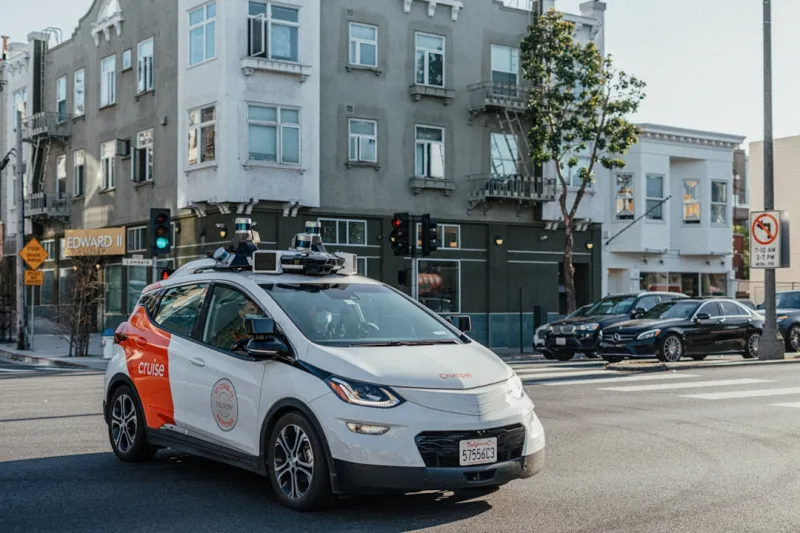
How Autonomous Vehicles Are Redefining Automotive Law in 2026
Autonomous vehicles are reshaping liability, insurance, and privacy law. Discover the legal challenges and practical steps for navigating this new landscape in ...Read More
Right to Disconnect: Hybrid Work’s Legal Shift
The right to disconnect is emerging as a pivotal labour‑law issue in the hybrid work era. This article examines legal foundations, the impact of employee moni...Read More
0 Comments
Post Comment
You will need to Login or Register to comment on this post!