Why the “Right to Disconnect” Is the Next Big Frontier in Labour Law
When I first stepped into a boardroom to discuss employee wellbeing, the conversation revolved around ergonomic chairs, coffee quality, and the occasional wellness‑app subscription. Fast‑forward a few years, and the same room is now filled with HR directors, tech leads, and legal counsel debating whether a worker should be able to switch off their laptop at 6 p.m. without fear of retaliation. This is not a hypothetical debate—it’s a lived reality for millions of knowledge workers who toggle between home offices, coworking spaces, and corporate headquarters every day.
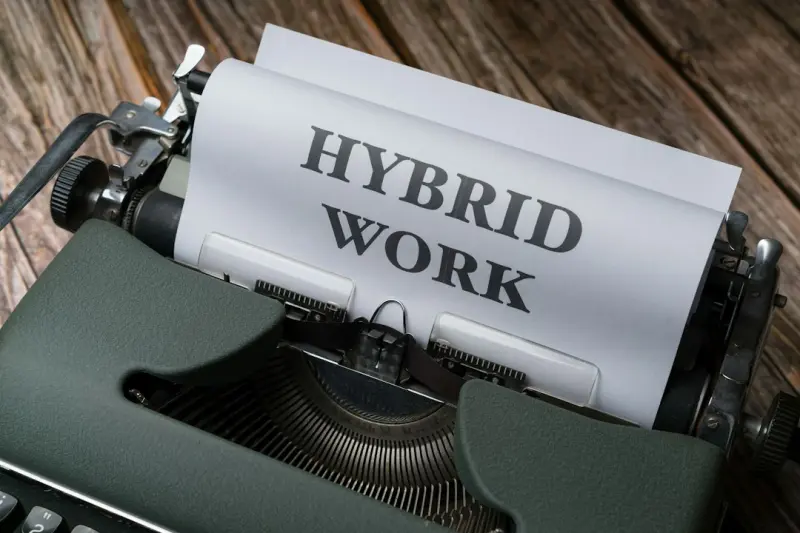
Hybrid work, once a fringe perk, has become the norm. Companies tout flexibility as a competitive advantage, yet the legal scaffolding that protects employees’ “off‑hours” remains a patchwork of outdated statutes, fragmented case law, and corporate policies that often say one thing and do another. The right to disconnect—the ability to disengage from work‑related communications outside of agreed‑upon hours—has emerged as a litmus test for whether labour law can keep pace with the blurred boundaries of modern work.
From “Always‑On” to “Chosen‑Off”: The Cultural Shift
The always‑on culture was born in the early days of email, when a single message could trigger a cascade of responses across continents. Today, we have Slack, Teams, and an ever‑growing suite of collaboration tools that ping, buzz, and vibrate at any hour. The pandemic accelerated adoption of these platforms, and with it, an expectation that employees will be reachable 24/7.
But the expectation is not universal. A survey I recently conducted with mid‑size tech firms revealed that 68 % of employees feel pressured to answer messages after work, yet only 12 % believe their company has a clear policy that protects them from such pressure. This gap is fertile ground for legal disputes, as workers increasingly claim that relentless connectivity infringes on their health, family life, and—crucially—rights under labour legislation.
Legal Foundations: Where the Current Framework Stands
Historically, labour law has focused on wages, hours, and workplace safety. The gig‑economy labour law challenges have forced courts to reinterpret what constitutes “working time.” Similarly, the right to disconnect forces courts to ask: when does a digital notification become “work”?
In jurisdictions like France and Spain, legislation explicitly grants employees a right to disconnect, obligating employers to negotiate “digital disengagement” protocols. In the United States, the approach is fragmented: some states have introduced “right‑to‑disconnect” bills, while others rely on the Fair Labor Standards Act (FLSA) to determine if off‑hour communications constitute compensable work.
The key legal questions are:
- Definition of Work: Is responding to a Slack message after hours considered “work” for wage‑hour purposes?
- Employer Duty of Care: Does an employer have a responsibility to limit after‑hours communications to protect mental health?
- Enforceability: How can an employee enforce a right to disconnect—through collective bargaining, individual claims, or regulatory action?
Technology’s Double‑Edged Sword: Monitoring, Biometrics, and Algorithms
Modern workplaces increasingly rely on technology not just to communicate, but to monitor productivity. From keystroke‑tracking software to AI‑driven performance dashboards, the data collected can be a goldmine for efficiency—but it also raises red flags for privacy and labour rights.
Take biometric employee monitoring tools that scan fingerprints or facial features to verify attendance. While these systems can streamline payroll, they also create a permanent digital record of an employee’s presence, potentially extending the employer’s reach into the employee’s personal time. Courts are beginning to ask whether such monitoring, when applied outside scheduled work hours, breaches the implied covenant of good faith and fair dealing.
Algorithms add another layer of complexity. Predictive scheduling tools can automatically assign shifts based on past behavior, sometimes flagging “unavailable” employees who have logged off early. When these algorithms generate punitive actions—like reduced hours or withheld bonuses—the legal question becomes whether the algorithmic decision is a “work‑related” directive subject to labour law protections.
Health, Safety, and the Mental‑Wellbeing Mandate
Occupational health and safety statutes traditionally address physical hazards: machinery, chemicals, ergonomics. The pandemic broadened the scope to include mental health, recognizing stress, burnout, and anxiety as occupational hazards. The right to disconnect dovetails neatly with this evolution.
Research from the World Health Organization shows that chronic overwork can increase the risk of cardiovascular disease by up to 40 %. In the UK, the Health and Safety Executive (HSE) now cites “psychosocial risks” as a core concern. When an employer’s culture implicitly expects after‑hours responsiveness, it can be construed as a failure to provide a safe working environment, opening the door to personal injury claims linked to mental health.
Practical Steps for Employers: Building a Disconnect‑Friendly Policy
For leaders who want to stay ahead of the legal curve—and keep their talent happy—here’s a pragmatic roadmap:
- Audit Communication Channels: Map out every tool used for work communication (email, chat, project management). Identify which channels are used after standard work hours and who is expected to respond.
- Define “Work Hours” Clearly: Draft a policy that spells out core hours, flexible windows, and the expectations for after‑hours engagement. Include exceptions for emergencies and on‑call duties.
- Implement “Quiet Hours”: Designate daily or weekly periods where no non‑emergency messages are sent. Encourage teams to batch communications to respect these windows.
- Leverage Technology Wisely: Use “do not disturb” features, auto‑responders, or scheduled send functions to reinforce the policy. Ensure any monitoring tools deactivate outside of scheduled work.
- Train Managers: Managers must model the behavior they expect. Provide training on how to set boundaries and how to handle after‑hours requests responsibly.
- Collect Feedback: Run quarterly surveys to gauge employee sentiment on after‑hours expectations. Adjust policies based on data, not just compliance checklists.
- Document and Communicate: Publish the policy on the intranet, embed it in onboarding, and have employees sign an acknowledgment form. This creates a paper trail that can be valuable if disputes arise.
Enforcement: From Collective Bargaining to Regulatory Action
In many European jurisdictions, the right to disconnect is negotiated through collective bargaining agreements (CBAs). Companies that proactively engage unions on this issue often avoid litigation and gain a reputation as forward‑thinking employers.
In the United States, while there is no federal right to disconnect, several states—such as California and Illinois—have introduced legislation that would require employers to provide written policies on after‑hours communication. Even where statutes are absent, the Equal Employment Opportunity Commission (EEOC) has begun to consider “work‑related stress” as a factor in discrimination and harassment claims, especially when it disproportionately impacts protected classes.
For multinational firms, the challenge is harmonizing policies across jurisdictions with varying legal mandates. One approach is to adopt a “global baseline” policy that meets the highest standard among the jurisdictions in which the company operates, then tailor local addenda to comply with specific legal requirements.
The Future: AI, Remote Work, and the Evolving Duty of Care
Looking ahead, three trends will shape the right‑to‑disconnect discourse:
- AI‑Driven Workload Allocation: As AI assigns tasks in real time, the line between “on‑call” and “off‑hours” will blur further. Legal frameworks will need to address whether AI‑generated assignments constitute work.
- Decentralized Workforces: With the rise of “digital nomads,” employees may be operating across multiple time zones, making a one‑size‑fits‑all “work‑hour” definition impractical. Flexible, outcome‑based policies will become the norm.
- Regulatory Momentum: Governments are watching the mental‑health fallout from over‑connectivity. Expect a wave of legislation—similar to the European “right‑to‑disconnect” law—spreading across the Atlantic and into the Asia‑Pacific region.
Companies that anticipate these shifts and embed a robust disconnect culture today will not only mitigate legal risk but also attract and retain top talent. The right to disconnect isn’t a luxury; it’s a cornerstone of the modern duty of care.
Conclusion: The Legal Landscape Is Changing—Are You Ready?
The conversation about work‑life balance has moved from the breakroom coffee chat to boardroom strategy sessions and, increasingly, to courtrooms. The right to disconnect sits at the intersection of technology, health, and law, demanding a coordinated response from HR, legal, and senior leadership.
By auditing communication practices, establishing clear policies, leveraging technology responsibly, and staying attuned to evolving regulations, employers can turn a potential liability into a competitive advantage. As we navigate the hybrid work era, the question isn’t whether the right to disconnect will become law—it’s how quickly your organization will adapt.

Allison Jarvis is a dynamic digital media and marketing professional dedicated to driving brand growth through impactful storytelling. With a sharp eye for market trends and a passion for data-driven strategies, she specializes in building cohesive online identities that resonate with modern audiences. Allison blends creative content production with robust analytics to maximize engagement and deliver measurable ROI. She continuously explores emerging digital tools to keep her projects ahead of the curve.
Related Posts

When AI Becomes the Boss: Rethinking Employee Surveillance Under Labour Law
AI-powered employee monitoring is reshaping workplaces, raising privacy, bias, and compliance challe... Read More

Algorithmic Scheduling and the New Labour Law Frontline
A deep dive into the legal fallout of algorithmic scheduling, the hidden overtime traps, and practic... Read More

Gig Platforms and the Law: Mastering Worker Classification in the New Economy
A deep dive into how businesses can navigate worker classification, compliance, and risk management ... Read More
Top Posts

Unlocking the Next Wave: SEO Strategies for Voice and AI-Driven Search
This article explores the rise of voice and AI-driven search, showing how structured data, conversational content, and a new set of metrics can help businesses ...Read More

When Courts Become Climate Guardians: The Surge of Environmental Litigation
A deep dive into the rise of climate litigation, examining key legal theories, strategic tactics for plaintiffs and defendants, and emerging trends that positio...Read More

Building Climate‑Resilient Trusts: Embedding ESG Principles into Estate Planning
A deep dive into climate‑resilient trusts, outlining legal frameworks, drafting techniques, technology tools, and practical steps to embed ESG principles into...Read More

Navigating the New Frontiers of Insurance Regulation in a Digital Age
Insurance regulations are evolving fast with AI, climate risk, and embedded platforms. This article breaks down emerging rules and offers a practical playbook f...Read More
0 Comments
Post Comment
You will need to Login or Register to comment on this post!