
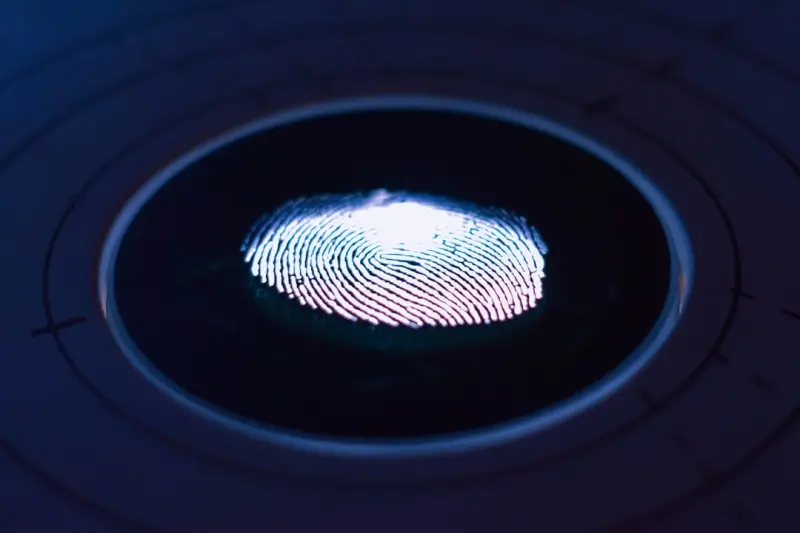
Criminal law has always been about the battle between what happened and what can be proved. In the past, that proof came from witnesses, fingerprints, or a well‑timed confession. Today, the battlefield is digital, and the weapons are bytes, metadata, and algorithmic reconstructions. As a seasoned practitioner who has watched the courtroom evolve from analog tape recorders to blockchain ledgers, I’m convinced we are standing at the cusp of a transformation that will redefine how we think about culpability, privacy, and the very notion of “reasonable doubt.”
Why Digital Footprints Matter More Than Ever
Every swipe, click, and message leaves a trace. Law‑enforcement agencies now have access to troves of data that were unimaginable a decade ago—location pings from smartphones, transaction logs from cryptocurrency wallets, and even the subtle patterns of a user’s typing rhythm. These digital breadcrumbs can corroborate a suspect’s presence at a crime scene, establish intent, or, conversely, exonerate an innocent party.
The power of this data lies in its granularity. A single GPS ping can place a device within a few meters of a robbery site at the exact minute the alarm tripped. A cloud‑based document edit history can reveal who opened, modified, or shared a file containing illicit material. When properly authenticated, such evidence can be as compelling as a blood test.
But the same precision that makes digital evidence so valuable also introduces new challenges. Courts must grapple with questions of authenticity, chain of custody, and the admissibility standards that were originally designed for physical objects.
From Screenshots to Chain of Custody: The New Evidentiary Protocol
Traditional chain‑of‑custody procedures rely on physical control: a bag, a seal, a logbook. In the digital realm, the “bag” is a cryptographic hash, the “seal” is a timestamped certificate, and the “logbook” is an immutable ledger—often a blockchain. To preserve the integrity of digital evidence, practitioners must now master a suite of technical tools:
- Forensic imaging of devices to capture a bit‑for‑bit copy that can be examined without altering the original.
- Metadata extraction to uncover hidden timestamps, geolocation tags, and device identifiers.
- Hash verification to ensure that the data presented in court matches the original seized material.
- Secure storage using encrypted, access‑controlled repositories that maintain a clear audit trail.
Failure to follow these steps can lead to a “fruit of the poisonous tree” scenario, where even the most damning digital evidence is excluded because its provenance cannot be established. That’s why the modern criminal lawyer must collaborate closely with digital forensics experts, not merely as consultants but as co‑architects of a defensible evidentiary framework.
Deepfakes: The New Frontier of Fabricated Evidence
One of the most unsettling developments in digital evidence is the rise of deepfake technology and the law. Using generative adversarial networks (GANs), bad actors can create video or audio recordings that appear authentic to the naked eye. In a criminal context, a deepfake could depict a suspect making incriminating statements, participating in a violent act, or even confessing to a crime they never committed.
Courts are still learning how to assess the reliability of such material. Some jurisdictions have begun to require a technical affidavit from a qualified expert attesting to the authenticity—or lack thereof—of a video. Others are considering statutes that criminalize the malicious creation and distribution of deepfakes intended to interfere with legal proceedings.
From a defense perspective, the first line of attack is to challenge the evidentiary foundation:
- Demand a full forensic analysis of the file’s metadata and compression artifacts.
- Request the original source files, if available, to verify whether the purported “original” is truly unaltered.
- Highlight inconsistencies in lighting, lip sync, or background details that may betray synthetic manipulation.
Prosecutors, on the other hand, must tread carefully. Overreliance on a single video without corroborating evidence can backfire spectacularly, especially if an expert later exposes the deepfake. The prudent approach is to pair any visual media with independent corroboration—cell‑tower records, eyewitness testimony, or physical evidence.
Privacy, Data Fiduciaries, and the Fifth Amendment
The surge in digital evidence collection collides head‑on with evolving privacy norms. The concept of a data fiduciary—an entity that holds a legal duty to act in the best interests of its data subjects—has gained traction in legislative circles. While originally framed in the context of corporate data handling, its implications for criminal law are profound.
Imagine a scenario where a social media platform, acting as a data fiduciary, is compelled to hand over private messages that could prove a suspect’s guilt. The platform must balance its fiduciary duty to protect user privacy against a lawful subpoena. Courts may invoke the Fifth Amendment’s protection against self‑incrimination, arguing that forcing a company to produce user content is tantamount to compelling the user’s testimony.
This tension is already evident in cases where law‑enforcement seeks “metadata” from encrypted messaging services. Some judges have ruled that metadata is not “testimonial” and therefore not protected, while others have recognized the invasive nature of such data and required a higher standard of probable cause.
For criminal attorneys, understanding the nuances of data fiduciary duties is becoming as essential as knowing the rules of evidence. Strategic defenses may involve:
- Filing motions that argue the data request exceeds the scope of a legitimate investigation.
- Challenging the adequacy of the warrant, especially when it seeks broad “catch‑all” data sweeps.
- Invoking privacy statutes that limit the retention and sharing of user data without explicit consent.
Practical Steps for Defense and Prosecution
Whether you’re defending a client accused of cyberstalking or prosecuting a ransomware syndicate, the following checklist can help you navigate the digital evidence landscape:
- Identify the source. Determine whether the evidence originates from a personal device, a cloud service, or a third‑party platform.
- Secure preservation orders. Promptly obtain a court order to preserve the data in its original form, preventing spoliation.
- Engage qualified experts. Retain forensic analysts who can produce a clear, admissible report and testify under oath.
- Scrutinize the chain of custody. Verify each handoff, ensuring that logs are timestamped and encrypted.
- Challenge authenticity. Use technical analysis to expose inconsistencies, especially in video or audio files.
- Assess privacy implications. Evaluate whether data collection infringes on constitutional protections or statutory privacy rights.
- Corroborate with non‑digital evidence. Strengthen or weaken the digital narrative with witness statements, physical clues, and traditional investigative methods.
- Prepare for appellate review. Anticipate challenges to digital evidence admissibility that may arise on appeal, and build a robust evidentiary record.
Future Trends and Policy Recommendations
As technology evolves, so too will the legal doctrines that govern its use. Here are three trends I foresee shaping criminal law in the coming years:
- Standardized Digital Evidence Protocols. Legislatures may codify best practices for forensic imaging, hash verification, and evidence storage, creating a uniform baseline that courts can rely upon.
- Expanded Rights for Data Subjects. The data fiduciary model could inspire new statutes granting individuals greater control over how their digital footprints are used in criminal investigations.
- AI‑Assisted Evidentiary Review. Machine‑learning tools will assist prosecutors and defense teams in sifting through massive data sets, flagging anomalies, and even predicting the probative value of certain digital artifacts.
Policymakers should consider enacting safeguards that balance law‑enforcement efficacy with civil liberties. For example, requiring an independent judicial review before deploying AI tools that assess the credibility of digital evidence could mitigate the risk of algorithmic bias.
Conclusion: Embracing the Digital Era Without Losing Sight of Justice
Criminal law has always been a living, breathing discipline—one that must adapt to the tools and tactics of the times. Digital footprints offer unprecedented clarity, but they also bring complexity, privacy concerns, and the specter of fabricated evidence. By mastering the technical underpinnings of digital forensics, staying vigilant against deepfake deception, and championing robust privacy protections, attorneys can ensure that the scales of justice remain balanced, even as the evidence evolves from blood spatter to binary code.
In the end, the goal is not to let technology dictate the outcome, but to harness it in service of truth, fairness, and the constitutional guarantees that underpin our legal system.

I am Madden Persons, a content writer and digital influencer dedicated to crafting impactful stories and building authentic online connections. With a strategic approach to content creation, I develop engaging articles, digital campaigns, and social media narratives that help brands elevate their online presence and connect meaningfully with their target audiences.
Passionate about modern digital trends and audience engagement, I specialize in translating complex ideas into compelling content that sparks conversation, drives results, and strengthens brand identity.
Related Posts

When Ransomware Becomes a Crime Scene: Rethinking Criminal Law for Digital Extortion
Ransomware attacks demand a fresh legal approach. This article examines why existing statutes fall s... Read More
When Bytes Become Evidence: Navigating Criminal Law in the Digital Age
A deep dive into the rise of digital evidence, from smartphone data to AI‑driven analysis, and how... Read More
Beyond the Badge: How Digital Evidence is Redefining Criminal Law
The article examines the rise of digital evidence in criminal law, detailing its impact on investiga... Read More
Top Posts

When the Floor Isn’t Flat: New Frontiers in Personal Injury Law
Personal injury law is evolving beyond traditional slip‑and‑fall cases, confronting home‑office ergonomics, autonomous vehicle software glitches, and virt...Read More

How AI and Climate Risk Are Redefining Insurance Law
A deep dive into the tech‑driven transformation of insurance law, covering AI, cyber risk, climate policies, and practical strategies for modern practitioners...Read More

Beyond the Breathalyzer: Turning Impaired Driving Risks into Business Strength
Impaired driving isn’t just a personal issue; it’s a corporate liability. This post outlines how real‑time monitoring, wearable safety devices, usage‑ba...Read More

Gig‑Economy Insurance: How the Law is Catching Up with the On‑Demand Workforce
The gig economy has outpaced traditional insurance models, leaving workers and platforms exposed. This article examines the insurance gaps, platform liability, ...Read More
0 Comments
Post Comment
You will need to Login or Register to comment on this post!