
The Deepfake Surge: Why the Law Must Catch Up
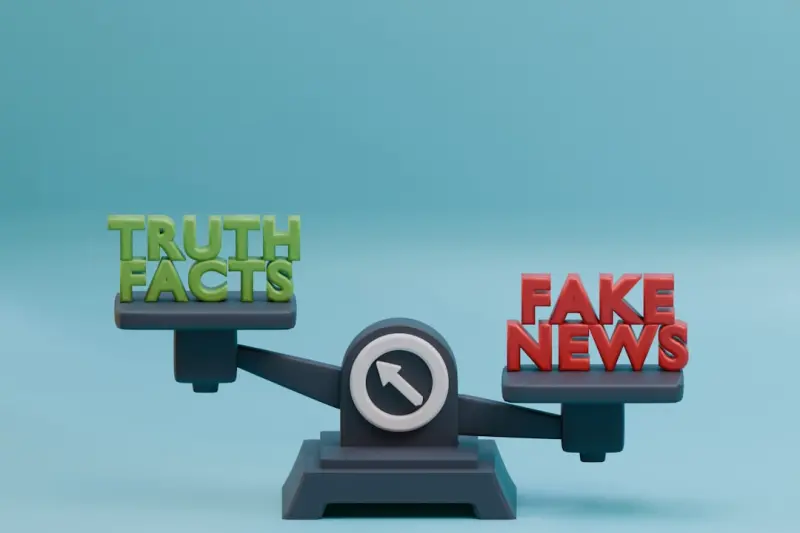
In the span of a few months, synthetic media has leapt from a novelty to a weapon capable of reshaping elections, swaying markets, and destroying personal reputations, and the legal system is scrambling to define its boundaries. The technology behind deepfakes—advanced machine‑learning models that splice together existing audio‑visual content with unsettling precision—creates a perfect storm of mis‑information, identity theft, and emotional harm, demanding a fresh legal framework that can both deter malicious actors and protect legitimate expression. As courts begin to grapple with the sheer volume of cases, the challenge lies not only in categorizing deepfakes under existing statutes but also in crafting new doctrines that reflect the unique blend of technology, intent, and impact inherent to synthetic media.
From Harmless Fun to Harsh Reality: The Spectrum of Harm
On the surface, a comedic deepfake that places a celebrity in a bizarre scenario may appear innocuous, yet the line between satire and defamation is razor‑thin, especially when the subject lacks the resources to fight a costly legal battle. When the manipulated content involves private individuals—perhaps a fabricated video of a CEO endorsing a scandalous product or a fabricated confession—victims can suffer irreparable damage to their careers, personal relationships, and mental health, turning a digital hoax into a real‑world crisis. This spectrum of harm forces lawyers to weigh the traditional defenses of free speech against emerging claims of emotional distress, false light, and the emerging tort of "deepfake‑induced harm," a concept that is still seeking judicial clarification.
Intellectual Property Meets Synthetic Media
Deepfakes blur the lines of ownership, as creators splice together protected works without consent, raising complex questions about copyright infringement and the right of publicity. The landmark case User‑Generated Content and the IP Battlefield highlighted how user‑generated content can inadvertently become a vector for infringement, a principle that translates seamlessly to AI‑generated composites where the underlying assets belong to multiple parties. Courts must decide whether the transformative nature of deepfake technology shields it under fair use, or whether the unauthorized manipulation of a public figure’s likeness constitutes a clear violation of their proprietary rights, a debate that will shape the future of both copyright law and personal branding.
Criminal Law: Fraud, Harassment, and Beyond
Beyond civil disputes, deepfakes are rapidly emerging as tools for fraud, blackmail, and even election interference, prompting prosecutors to explore novel criminal statutes and existing laws like wire fraud, impersonation, and extortion. A fabricated video threatening to expose a fabricated affair can be weaponized for coercion, while synthetic endorsements can manipulate stock prices, blurring the boundary between free expression and market manipulation. As law enforcement agencies develop specialized units to trace the provenance of AI‑generated content, they also grapple with the challenge of attributing culpability when the generation pipeline is obscured by layers of anonymized cloud services and encrypted uploads.
Privacy in the Age of Synthetic Identity
The privacy implications of deepfakes extend far beyond the visual, encroaching on biometric data, voice signatures, and the subtle nuances of a person's mannerisms, all harvested without consent. Similar concerns were raised in the investigation of wearable tech in The Hidden Privacy Risks Lurking in Your Fitness Tracker, where data collection was shown to be both pervasive and opaque; deepfake creation amplifies this threat by enabling the reconstruction of a person's identity from fragments scattered across the internet. Legislators are now debating whether existing data‑protection regimes, such as GDPR‑style consent requirements, should be extended to cover the unauthorized synthesis of biometric signatures, a move that could empower individuals to reclaim control over their digital selves.
Emerging Civil Remedies: From Injunctions to Statutory Damages
Victims of deepfake assaults are increasingly turning to courts for swift injunctive relief, seeking to have harmful content removed before it spreads like wildfire across social platforms. The nascent “right to be forgotten” provisions in various jurisdictions provide a foothold for such claims, yet enforcement remains uneven as platforms battle over jurisdictional boundaries and the technical feasibility of fully erasing duplicated copies. Some jurisdictions are also introducing statutory damages for the non‑consensual creation of synthetic media, mirroring penalties for revenge pornography, thereby establishing a deterrent that complements traditional tort claims.
The Role of Platform Governance and Legal Liability
Social media giants are under mounting pressure to adopt proactive detection mechanisms, balancing the imperative to shield users from deepfake abuse with the risk of over‑censorship that could stifle legitimate expression. Legal scholars argue that under evolving interpretations of Section 230‑like protections, platforms could be held liable if they knowingly facilitate the dissemination of harmful synthetic content, especially when prior notice of the deepfake’s false nature is provided. Consequently, a wave of corporate policy revisions is underway, mandating advanced AI‑based detection, rapid takedown protocols, and transparent appeals processes, all of which could set industry standards that eventually become codified into law.
International Perspectives: Fragmented Approaches, Global Challenges
Across the globe, lawmakers are experimenting with varying degrees of regulation, from the European Union’s proposal to classify deepfake creation as a “high‑risk AI application” requiring mandatory impact assessments, to the more punitive criminalization efforts seen in certain Asian jurisdictions where synthetic media used for political manipulation carries hefty prison sentences. This fragmentation creates enforcement complexities for transnational platforms, which must navigate a patchwork of contradictory obligations while maintaining a cohesive user experience. As cross‑border cooperation becomes essential, proposals for an international treaty on AI‑generated content are gaining traction, aiming to harmonize definitions, standards, and penalties.
Future Litigation Trends: Predicting the Courts' Next Moves
Legal practitioners anticipate a surge in deepfake‑related litigation, with courts likely to lean on analogies from prior cases involving misappropriation of likeness, defamation, and fraudulent inducement while also forging novel legal doctrines. Early decisions may set pivotal precedents on issues such as the admissibility of AI‑generated evidence, the burden of proof for establishing intent, and the scope of damages for reputational harm caused by synthetic media. For attorneys, staying ahead of the curve involves mastering both the technical underpinnings of deepfake generation and the evolving statutory landscape, a dual expertise that will become a competitive advantage in the coming years.
Practical Guidance for Individuals and Organizations
In the meantime, individuals can protect themselves by regularly auditing their digital footprints, employing biometric monitoring services, and demanding removal rights from platforms when faced with unauthorized synthetic media. Organizations, particularly those with high‑profile executives, should adopt a multi‑layered response strategy that includes AI‑powered monitoring, rapid legal response teams, and clear internal policies for addressing deepfake attacks. By integrating these safeguards, stakeholders can mitigate risk, preserve trust, and signal to the market that they are committed to upholding integrity in an era where reality can be effortlessly fabricated.

Steven McClurry is a freelance writer. He loves to write controversial topics and on a wide rang of topics. When is not online he is hanging out at his college campus or playing online games.
Related Posts

Digital Estate Planning: Securing Your Assets in the Age of Technology
In a world where crypto wallets and cloud accounts hold real value, traditional estate planning fall... Read More

The Deepfake Dilemma: Legal Battles in a World of Synthetic Media
Deepfakes are reshaping the legal landscape, raising urgent questions about defamation, privacy, ele... Read More

Legal Trends 2024: From Tech‑Driven Crime Courts to Smart Family Law
Kris M. Chen breaks down 2024’s legal landscape, from AI‑driven criminal courts to smart insuran... Read More
Top Posts

Disconnect to Connect: Navigating the New Right to Unplug in the Workplace
The post examines the rising right to disconnect, outlining legal developments, practical policy design, and business benefits, while linking to related labour ...Read More

Cross‑Border Unions: Navigating the Legal Tightrope of International Marriage
This article breaks down the complex legal landscape that couples face when marrying across borders, covering immigration, tax, asset protection, and dispute re...Read More

The Hidden Privacy Risks Lurking in Your Fitness Tracker
Wearable health devices collect intimate data, but privacy laws lag behind. Discover the legal gaps, emerging regulations, and practical tips to safeguard your ...Read More

Telemedicine Liability: Mastering Informed Consent and Risk in Virtual Care
Telemedicine’s rise brings legal challenges—learn how to secure informed consent, navigate licensing, protect privacy, and mitigate malpractice risk in virt...Read More
0 Comments
Post Comment
You will need to Login or Register to comment on this post!