
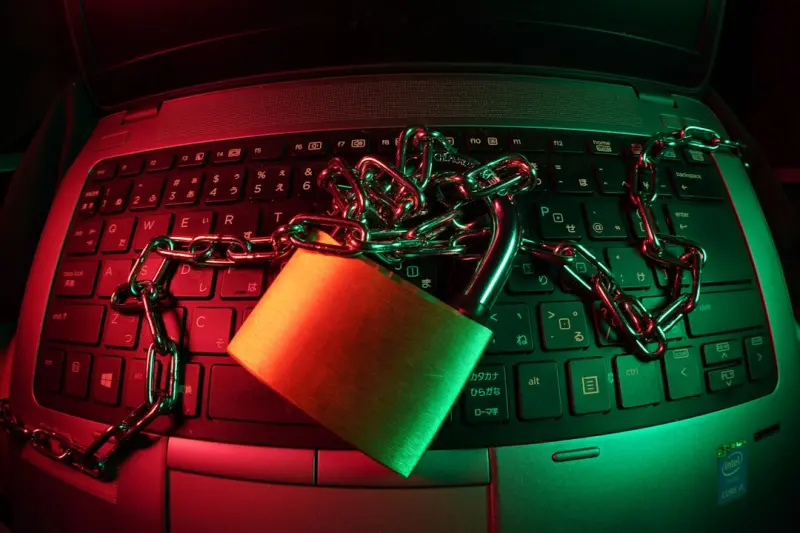
Why Digital Evidence Is the New Cornerstone of Criminal Defense
When I first walked into a courtroom, the most compelling evidence was a blood‑spattered shirt or a shaky eyewitness testimony. Fast‑forward a few decades, and the most damning—or exonerating—piece of proof is often a tiny file stored somewhere in the cloud. As a criminal defense attorney who’s spent a lifetime navigating the twists and turns of the justice system, I’ve watched the evolution of evidence like a hawk watching a flock of birds. The shift isn’t just technological; it’s cultural, procedural, and, frankly, terrifying for anyone who isn’t prepared.
The Smartphone Is the New Crime Scene
Remember the days when a police officer needed a warrant to take a physical diary from a suspect’s desk? Those days are largely over. Today, a single iPhone can hold call logs, text messages, GPS coordinates, photos, and even encrypted messenger chats. The Predictive Policing: Constitutional Risks and Defense Strategies article reminded us that law‑enforcement tools are getting smarter, but the smartphone has turned every citizen into a potential data repository.
From a defense standpoint, the first rule of thumb is: you can’t assume the prosecution’s digital evidence is clean. Metadata can be spoofed, timestamps can be altered, and cloud backups can be accessed without the owner’s knowledge. When a text appears to incriminate a client, we dive deep into the device’s forensics to verify whether a third‑party app or a malware infection could have fabricated that exchange.
Cloud Storage: The Invisible Witness
Cloud platforms like Google Drive, Dropbox, and iCloud have become de‑facto extensions of our personal computers. A photo stored in a folder that a client thought was private could be subpoenaed as “relevant evidence.” The tricky part is that cloud data lives on servers owned by corporations, often in jurisdictions far removed from the crime scene.
In practice, we must challenge the chain‑of‑custody for any cloud‑based artifact. Who accessed the data? Was the login compromised? Did the provider retain a copy after the user deleted the file? These questions can create reasonable doubt that a jury may never see coming. Moreover, the When Algorithms Diagnose piece highlighted that AI can misinterpret data—so the same caution applies when an algorithm flags “suspicious” activity in a cloud audit log.
Wearable Tech: From Fitness Tracker to Forensic Tool
It’s no longer science fiction to see a smartwatch’s heart‑rate data presented in a courtroom. Imagine a case where the prosecution argues that a defendant’s elevated heart rate at 2 a.m. proves they were “physically engaged” in a burglary. On the flip side, the defense can argue that the same data reflects a panic attack or a medication side effect.
Wearables also generate location data with pinpoint accuracy. GPS‑enabled shoes, smart glasses, and even connected car systems can all produce a digital trail. The Beyond Breathalyzers article demonstrated how law enforcement is already leveraging this tech to prove impairment. For defense attorneys, the key is to question the reliability of the devices—calibration errors, software glitches, and user error are all fair game.
Social Media: The Public Diary Nobody Asked You to Keep
Every meme, tweet, and Instagram story is a potential piece of evidence. In a recent case I handled, the prosecution tried to use a client’s “check‑in” at a bar as proof of presence at the scene of a crime. We called an expert to show that geotagging can be spoofed and that VPNs can mask true location. The jury ultimately dismissed the evidence as “too unreliable,” and my client walked free.
Social‑media platforms also have their own internal logs—who viewed a post, who shared it, and when. These logs are rarely disclosed unless a subpoena is issued, and even then, the platforms may push back, citing privacy policies and the Stored Communications Act. Knowing the exact legal thresholds for obtaining this data is essential for any defense strategy.
Encryption: The Double‑Edged Sword
Encryption is both a shield and a sword. Clients who use end‑to‑end encrypted messaging apps feel safer, but that same encryption can become a point of contention when a court orders decryption. In many jurisdictions, refusing to decrypt is considered contempt, potentially leading to harsher penalties.
When faced with a decryption order, we assess the client’s rights under the Fifth Amendment. The Supreme Court has yet to definitively rule on whether compelled decryption is testimonial. Until a clear precedent emerges, we argue that forcing a client to reveal a password is equivalent to forcing them to turn over the contents of their mind—a line we are not willing to cross without a fight.
Emerging AI‑Powered Forensics
Artificial intelligence is now being used to sift through terabytes of video footage, identifying “suspicious behavior” or “matching faces” across disparate sources. While these tools can accelerate investigations, they also introduce new sources of error. Bias in training data, false positives, and lack of transparency can undermine the prosecution’s case.
As a defense attorney, I request a full disclosure of the AI model’s architecture, training data, and error rates. If the prosecution can’t meet that burden, the AI‑generated evidence loses its probative value. This tactic mirrors the “black‑box” challenges discussed in the Predictive Policing piece, where the opacity of algorithms became a constitutional issue.
Practical Steps for Defenders Facing Digital Evidence
- Preserve the Evidence Early. Issue a preservation letter the moment you suspect digital data will be requested. This prevents the data from being altered or destroyed.
- Engage a Certified Forensic Expert. Not all “digital detectives” are created equal. Look for credentials such as Certified Computer Examiner (CCE) or Certified Forensic Computer Examiner (CFCE).
- Challenge the Chain‑of‑Custody. Every handoff, every copy, and every storage location must be documented. Any break can create reasonable doubt.
- Scrutinize Metadata. Timestamps, file origins, and edit histories can reveal tampering or misattribution.
- Know the Legal Thresholds. Different jurisdictions have varying standards for obtaining data from ISPs, cloud providers, and device manufacturers.
- Prepare for Expert Testimony. A well‑prepared forensic expert can turn technical jargon into compelling courtroom narratives.
The Future: Where Is Digital Evidence Headed?
We are on the brink of a new era where quantum‑resistant encryption, decentralized storage (think blockchain), and even augmented‑reality recordings could become standard. As defenders, our job will evolve from merely questioning the authenticity of a file to understanding the entire ecosystem that produces that file.
In the next few years, expect to see:
- Greater reliance on edge computing—devices processing data locally, making it harder for law enforcement to intercept.
- Increased use of deepfake detection tools as both prosecutors and defense teams grapple with synthetic media.
- More robust statutory protections for “digital privacy” that may limit how and when prosecutors can compel data.
Staying ahead means staying curious, staying skeptical, and never assuming that a glowing screen tells the whole story.
Conclusion: Turning the Digital Tide in Favor of the Accused
Digital evidence is a double‑edged sword that can slice through an alibi or carve out a path to acquittal. The key for criminal defenders is to treat every byte, every log, and every algorithm with the same scrutiny we once reserved for a fingerprint or a blood sample. By mastering the technical, legal, and strategic aspects of digital forensics, we can ensure that the scales of justice remain balanced—even in a world where bits and bytes have become the new testimony.

I am Madden Persons, a content writer and digital influencer dedicated to crafting impactful stories and building authentic online connections. With a strategic approach to content creation, I develop engaging articles, digital campaigns, and social media narratives that help brands elevate their online presence and connect meaningfully with their target audiences.
Passionate about modern digital trends and audience engagement, I specialize in translating complex ideas into compelling content that sparks conversation, drives results, and strengthens brand identity.
Related Posts

Redefining Criminal Law in the Digital Era
A deep dive into how technology is transforming criminal law, from AI investigations to digital evid... Read More
The Digital Frontier of Criminal Law: How Technology is Changing the Fight for Justice
A deep dive into how technology—from AI to blockchain—is redefining criminal law, influencing ev... Read More
Beyond Punishment: How Restorative Justice is Reshaping Criminal Law
Restorative justice shifts criminal law from retribution to repair, empowering victims, offenders, a... Read More
Top Posts
Beyond the Gavel: How Autonomous Algorithms Are Reshaping Legal Practice
Autonomous algorithms are moving from novelty to necessity in law, automating contracts, predicting litigation outcomes, and monitoring compliance. This article...Read More
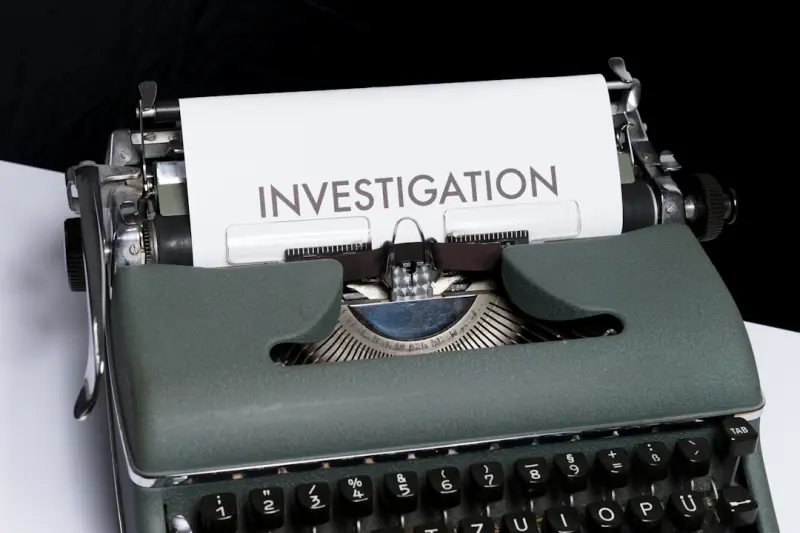
When Bytes Become Evidence: Navigating Criminal Law in the Digital Age
A deep dive into the rise of digital evidence, from smartphone data to AI‑driven analysis, and how criminal lawyers can adapt to protect clients in the modern...Read More
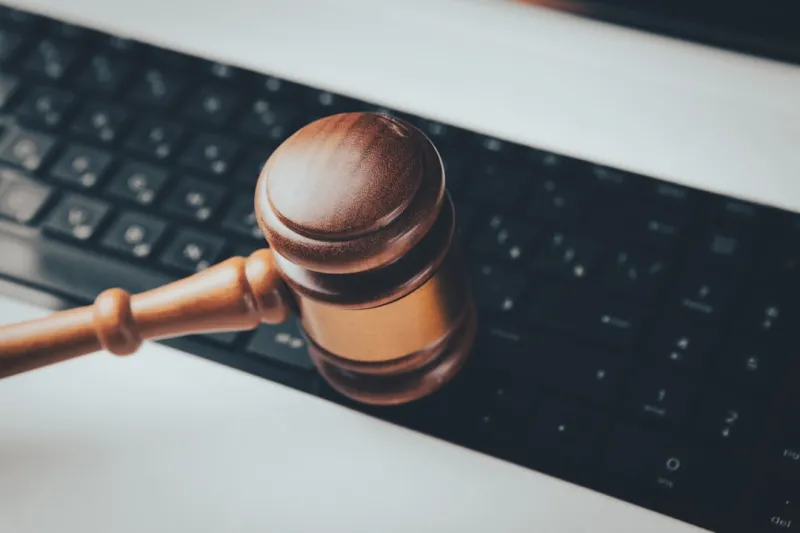
The Digital Frontier of Criminal Law: How Tech Is Changing the Fight for Justice
A deep dive into the tech‑driven transformation of criminal law, revealing how AI, algorithmic evidence, and digital forensics are reshaping defense strategie...Read More

The Intersection of Automotive Law and Family Dynamics: A Complex Web of Liability
The intersection of automotive law and family dynamics creates a complex web of liability in vehicle accidents. Understanding the legal landscape and seeking ex...Read More
0 Comments
Post Comment
You will need to Login or Register to comment on this post!