
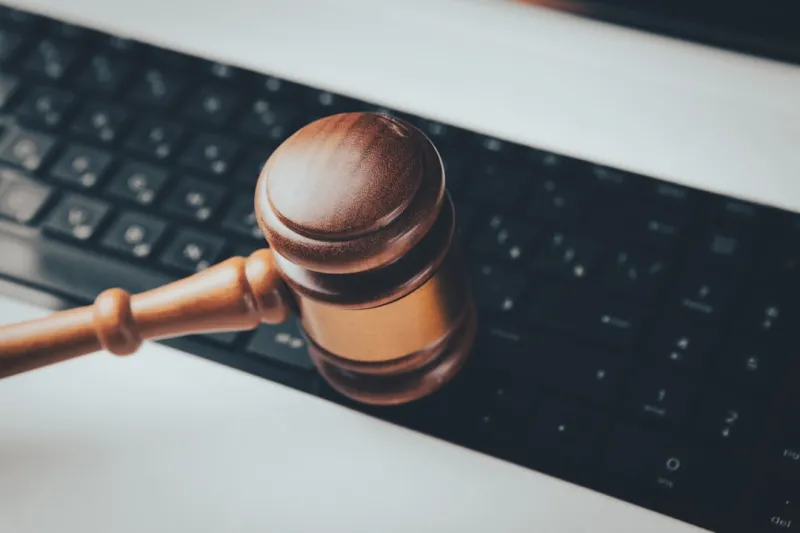
The New Battlefield: Crime, Tech, and the Law
Every time I step into a courtroom these days, I feel less like a traditional litigator and more like a cyber‑detective navigating a neon‑lit maze. The rise of artificial intelligence, predictive algorithms, and massive data streams has turned what used to be a straightforward dispute over facts into a high‑stakes game of digital chess, where every move is recorded, analyzed, and sometimes weaponized. Criminal defense now hinges on understanding code as well as statutes, and the most successful attorneys are those who can translate a forensic data dump into a compelling narrative that jurors can actually follow. This shift isn’t just theoretical; it’s evident in the flood of cases where facial‑recognition errors, algorithmic bias, and deep‑fake evidence have either exonerated the innocent or sealed the fate of the guilty without a second glance. As a practitioner who has watched this evolution from the sidelines, I’m compelled to share the tactics, pitfalls, and ethical dilemmas that define the modern criminal law frontier.
Algorithmic Evidence: Friend or Foe?
When a prosecutor leans on an algorithm to predict “risk” or “danger,” the courtroom suddenly becomes a data‑driven arena where black‑box models dictate liberty. I’ve seen judges admit predictive‑policing scores as “objective” evidence, only to discover that the underlying data reflects historic over‑policing of minority neighborhoods, perpetuating a cycle of injustice. The key is to challenge the provenance of that data: ask who collected it, under what circumstances, and whether the model has been validated for the specific jurisdiction. In many instances, a well‑crafted cross‑examination can expose the opaque nature of the algorithm, forcing the court to consider whether the evidence meets the Daubert standard for scientific reliability. Moreover, the defense must be prepared to call upon independent data scientists who can dissect the model’s variables, illustrate potential bias, and propose alternative interpretations that protect the client’s rights. The battle for credibility in these scenarios is as much about statistical literacy as it is about legal acumen.
Case Study: Predictive Policing Gone Wrong
Consider a recent case where a defendant was denied bail based on a proprietary risk assessment that flagged him as a “high‑threat” individual. The algorithm, supplied by a private tech firm, weighted factors such as zip code, prior arrests, and even social media activity. When we obtained the source code through a discovery request, we discovered that a simple typo in the code inflated the weight of zip code by a factor of ten, dramatically skewing the score. By presenting this flaw, we not only secured the client’s release but also sparked a broader debate in the jurisdiction about the transparency of algorithmic tools. This example underscores why criminal lawyers must become comfortable reading code snippets, demanding source disclosure, and collaborating with tech experts to safeguard due process. It also illustrates the importance of internal resources like The Digital Detective, which provides a roadmap for integrating AI expertise into defense strategies.
Digital Forensics: From Bytes to Testimony
In the age of smartphones and cloud storage, evidence often exists in the form of encrypted files, metadata, and server logs, requiring a new set of investigative skills. The forensic analyst’s role has expanded from merely retrieving deleted texts to reconstructing entire digital narratives that can either incriminate or exonerate a suspect. I spend a considerable portion of my time coordinating with certified forensic labs, ensuring chain‑of‑custody protocols are airtight, and scrutinizing the methodology used to extract data. One misstep—like failing to preserve volatile RAM or neglecting to obtain a proper warrant for a cloud account—can render critical evidence inadmissible, turning a potentially winning case into a procedural loss.
Handling Deep‑Fakes and Synthetic Media
Deep‑fake technology has moved from novelty to a credible threat in criminal proceedings, especially in cases involving alleged threats, harassment, or counterfeit evidence. When a video surfaces purporting to show a defendant making a confession, the first question is whether the footage has been manipulated using generative adversarial networks (GANs). To counter such threats, I engage digital imaging specialists who can conduct frame‑by‑frame analysis, examine compression artifacts, and run the video through forensic tools designed to detect synthetic patterns. If the analysis reveals tampering, the defense can move to suppress the evidence under the rule against illegally obtained statements, emphasizing that a fabricated confession is not just unreliable—it undermines the very foundation of the justice system.
The Ethical Tightrope: Defending the Guilty in a High‑Tech World
One of the most profound challenges I face is reconciling the duty to provide zealous advocacy with the moral weight of technology that can so easily tip the scales. When a client’s guilt appears incontrovertible, yet the evidence is derived from a questionable algorithm, the lawyer must decide whether to contest the method or accept the inevitable outcome. The American Bar Association’s Model Rules remind us that “a lawyer shall not counsel a client to engage in criminal or fraudulent conduct,” but they also obligate us to protect clients from unconstitutional intrusions. This paradox becomes especially pronounced when dealing with surveillance tools that collect data without consent, such as location tracking from smart devices. Navigating this ethical landscape requires a steadfast commitment to both procedural safeguards and a broader sense of justice, ensuring that the law does not become a tool for unchecked technological overreach.
When Algorithms Meet Crime: A Criminal Lawyer’s Perspective
My recent contribution to the discussion on algorithmic bias, titled When Algorithms Meet Crime, delves into the practical steps attorneys can take to demystify machine‑learning outputs for judges and juries. The piece outlines a three‑step framework: demand transparency, request independent validation, and, if necessary, propose alternative risk‑assessment models that are peer‑reviewed and publicly available. By adhering to this framework, defense teams can transform opaque code into a tangible, contestable piece of evidence, preserving the constitutional right to a fair trial. It also serves as a call to action for the legal community to push for legislative reforms that require algorithmic accountability, mirroring the standards applied to forensic laboratories.
Future Trends: Preparing for the Next Wave
Looking ahead, the intersection of criminal law and technology will only deepen as quantum computing, biometric surveillance, and real‑time data analytics become mainstream. The next generation of criminal statutes will likely address issues such as “digital self‑incrimination” where a person’s biometric data—like a fingerprint or retinal scan—could be harvested without consent and used as evidence. To stay ahead, attorneys must cultivate interdisciplinary expertise, forging partnerships with cyber‑security firms, data ethicists, and academic researchers. Continuous education—through CLE courses focused on digital forensics, AI ethics, and privacy law—will become as essential as mastering case law. By proactively embracing these trends, lawyers can ensure that the courtroom remains a venue for justice rather than a playground for unchecked technological power.
Practical Takeaways for Practitioners
For every criminal lawyer reading this, here are actionable steps to integrate technology into your practice responsibly: (1) audit your firm’s data security policies to protect client confidentiality; (2) develop a roster of vetted forensic experts who can be called upon at short notice; (3) incorporate a “technology checklist” into case intake forms to identify potential digital evidence early; and (4) stay informed about emerging legal precedents concerning AI and algorithmic evidence by following specialized blogs and scholarly journals. By embedding these practices into daily workflow, you’ll not only enhance your advocacy but also safeguard the integrity of the legal process in an era where bytes increasingly speak louder than words.

Steven McClurry is a freelance writer. He loves to write controversial topics and on a wide rang of topics. When is not online he is hanging out at his college campus or playing online games.
Related Posts

Beyond the Gavel: How Restorative Justice is Reshaping Criminal Law
Restorative justice reframes crime as a breach of relationships, emphasizing healing for victims, of... Read More
Crypto Crime: Navigating the New Frontier of Digital Asset Fraud
A deep dive into the burgeoning world of cryptocurrency crime, examining jurisdictional complexities... Read More

Genetic Data, Police Power, and the Future of Criminal Law
A deep dive into the rise of DNA databases and predictive policing, examining privacy concerns, lega... Read More
Top Posts

Why Open Source License Audits Are the New Must‑Do for SaaS Innovators
Open source fuels SaaS innovation, but hidden license obligations can become costly liabilities. This post explains how comprehensive audits, strategic IP trust...Read More

Data Trusts: A Fiduciary Blueprint for Modern Privacy Law
Data trusts place personal information under fiduciary control, aligning privacy law with modern data‑driven business models. Learn why they matter, how to im...Read More

Embedding Climate‑Resilience Clauses into Commercial Leases: A Practical Guide
A detailed guide for landlords and tenants on drafting, negotiating, and enforcing climate‑resilience clauses in commercial leases, with actionable steps and ...Read More

Driving Legal Change: How Tech Is Reshaping Automotive Law
A deep dive into the latest trends reshaping automotive law—from self‑driving liability to data privacy—offering practical insights for drivers, insurers,...Read More
0 Comments
Post Comment
You will need to Login or Register to comment on this post!