

When I first joined a fast‑growing SaaS startup, I treated SEO like a checklist—target the right keywords, sprinkle them across the site, and hope the traffic fairy would appear. Six months later, after a product pivot and a new head of growth, I realized that approach was as outdated as a dial‑up modem. SEO isn’t a side project; it’s a core product feature that should be built, iterated, and measured with the same rigor we apply to our core software.
SEO As a Product Feature, Not a Marketing Afterthought
Think about the way we design any SaaS module: we start with a problem statement, map out user journeys, prototype, test, and then ship. SEO should follow that exact lifecycle. Instead of “let’s write a blog post about X,” ask yourself:
- What user problem does this content solve? – Does it help a prospect evaluate a solution, compare pricing, or troubleshoot a technical issue?
- Where does this problem surface in the buyer’s journey? – Awareness, consideration, or decision?
- What metrics define success? – Not just organic impressions, but conversion rate from search, time‑to‑first‑value, or churn reduction.
When SEO is treated as a product feature, every piece of content is a mini‑feature release that delivers measurable value.
Embedding Search Intent Into Your Product Roadmap
Search intent isn’t a static bucket of “informational” versus “transactional.” It’s a dynamic signal that evolves as your market matures. By integrating intent data directly into your product roadmap, you can anticipate the questions prospects will ask before they even type them.
Here’s a practical workflow:
- Intent Mapping Session. Gather product managers, customer success, and SEO specialists. Pull the top 50 search queries that drive qualified traffic. Cluster them by intent and map each cluster to a product milestone.
- Feature Ideation. If a cluster shows high intent for “how to integrate X with Y,” consider building an in‑app integration wizard that addresses that need directly.
- Content‑Feature Pairing. Create documentation, tutorials, or case studies that accompany the new feature, optimized for the exact query phrases you uncovered.
- Feedback Loop. Use analytics to see if the new feature reduces the volume of “how‑to” searches—an indicator that you’ve solved the problem inside the product.
Data‑Driven Experiments: The SEO Lab
In a B2B SaaS environment, we love A/B testing UI changes. Apply the same discipline to SEO. Set up an “SEO lab” where each experiment has a hypothesis, a control, and a measurable outcome.
Example experiment: Hypothesis – Adding schema markup to our pricing page will increase click‑through rate from SERPs by 12%. Build two versions, serve them to a random half of search engine bots using server‑side rendering tricks, and measure CTR and downstream trial sign‑ups.
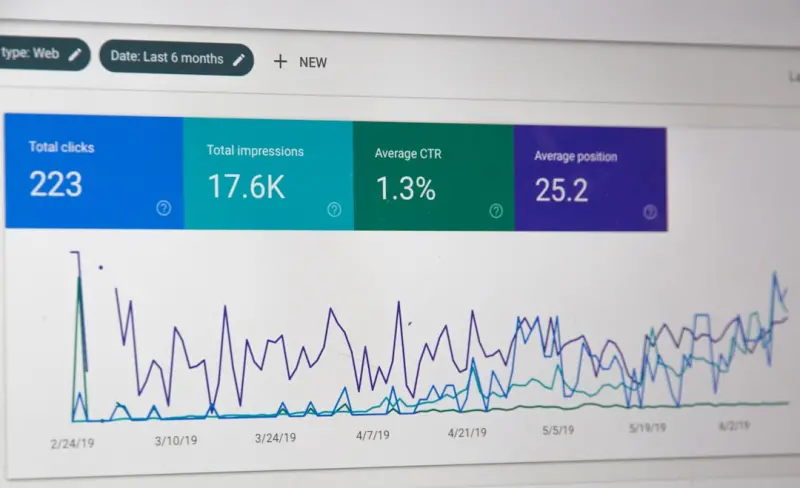
Because SEO experiments can affect crawl budget and indexing, keep a tight watch on Google Search Console and use related case studies to benchmark your results.
Leveraging Technical SEO As a Competitive Moat
Technical SEO is often dismissed as “backend chores,” but for SaaS platforms that serve high‑value enterprise customers, performance, security, and accessibility become differentiators. A page that loads in under two seconds, passes WCAG 2.1 AA, and uses HTTPS everywhere isn’t just user‑friendly—it signals trust to search engines and, by extension, to potential buyers.
Key technical levers to prioritize:
- Core Web Vitals. Optimize LCP, FID, and CLS across your SaaS dashboard and knowledge base.
- Structured Data. Deploy JSON‑LD for product, review, and FAQ schemas to surface rich results.
- Canonicalization. Prevent duplicate content penalties by consolidating similar help articles under a single canonical URL.
- Server‑Side Rendering (SSR). If your app is heavy on JavaScript, SSR ensures search crawlers see the full content without relying on costly rendering budgets.
Content Architecture: Building an SEO‑First Knowledge Hub
Most SaaS companies treat their blog as a marketing silo and their help center as a support silo. The reality is that both serve the same SEO purpose: answering user queries. Unify them under a single, hierarchical knowledge hub.
Steps to restructure:
- Topic Clustering. Identify pillar topics that align with core product modules (e.g., “User Management,” “Data Export”).
- Hub‑And‑Spoke Model. Create a hub page that outlines the high‑level problem and links to deep‑dive spoke articles.
- Internal Linking Strategy. Every spoke should link back to the hub and to related spokes, creating a dense link graph that search engines love.
- Content Refresh Cadence. Schedule quarterly audits to update statistics, screenshots, and product version references.
SEO Meets Product Analytics: Closing the Loop
SEO teams often rely on Google Analytics alone, but SaaS businesses have richer data sources: product usage logs, trial activation funnels, and churn metrics. Merge these datasets to answer the question, “Which organic visits become paying customers?”
Practical integration:
- Assign a unique
utm_source=organictag to inbound URLs. - Track the
first_event(e.g., sign‑up, trial start) in your product analytics platform. - Calculate the organic LTV by aggregating revenue from users who entered via organic search.
When you can demonstrate that a specific piece of content yields a $10,000 lifetime value, you have a powerful justification for further investment.
Scaling SEO With Cross‑Functional Teams
SEO shouldn’t sit behind a locked door. In a thriving SaaS organization, it belongs in the cross‑functional squad that includes product, engineering, and customer success. Here’s how to institutionalize that:
- SEO Sprint Goals. Include a measurable SEO objective in every two‑week sprint (e.g., “Add schema markup to top 10 FAQ pages”).
- Shared Dashboard. Build a live dashboard that pulls SERP rankings, traffic, and conversion data alongside product KPIs.
- Cross‑Team Review. Hold a monthly “SEO‑Product Sync” where the product manager explains upcoming features, and the SEO lead suggests content assets that can pre‑emptively capture search demand.
Future‑Proofing: The Rise of Conversational Search
Voice assistants and AI chat interfaces are reshaping how enterprises discover solutions. Instead of typing “best CRM for SaaS,” a decision‑maker might ask, “Which CRM integrates with our existing billing system?” Optimizing for conversational queries means focusing on natural language, long‑tail phrases, and answering questions in a concise, structured format.
Actionable steps:
- FAQ Expansion. Use tools that surface real‑world questions from forums and support tickets. Turn each into a dedicated, schema‑rich FAQ page.
- Snippet Targeting. Write clear, 40‑word answers that directly address the question—these have the highest chance of landing in featured snippets.
- Voice‑Ready Content. Keep sentences short, use bullet points, and embed audio summaries where appropriate.
Case Study: Turning a Legal SaaS Blog into a Lead Engine
One of our clients in the legal tech space faced dwindling organic traffic despite publishing weekly posts. By applying the product‑feature framework described above, we:
- Mapped top search intents to the platform’s contract‑automation modules.
- Developed a series of “How‑to‑Automate X Clause” guides, each tied to a specific product feature.
- Implemented schema markup for how‑to articles, boosting featured snippet visibility.
- Integrated organic source data into their CRM, revealing a 4× higher lead‑to‑MQL conversion rate from SEO‑originated traffic.
The result? A 68% increase in qualified leads within six months, and the client now treats every SEO asset as a “feature launch” in their product roadmap.
Wrapping It All Up: From Checklist to Competitive Advantage
SEO is no longer a peripheral marketing tactic; it’s a strategic product capability that can differentiate a B2B SaaS offering in a crowded market. By embedding search intent into your roadmap, treating content as a product feature, and measuring outcomes with the same rigor as any software release, you turn search from a passive acquisition channel into an active growth engine.
If you’re still treating SEO as an afterthought, you’re leaving a massive source of qualified, high‑intent traffic on the table. Start experimenting, align with product, and watch your organic engine become a sustainable competitive moat.
For more insights on aligning SEO with product strategy, check out how flexible work trends influence search behavior and explore the role of AI in optimizing content creation.

Liam James Professor with a PHD. & content creator with a passion for sparking curiosity and sharing knowledge. Driven by the joy of learning and storytelling, I bring ideas to life in every project. Always exploring, always teaching.
Related Posts
Semantic Content Clusters: The New Frontier for Voice Search
Discover a step‑by‑step framework for creating semantic content clusters that align with voiceâ€... Read More

SEO as a Courtroom: How Legal Tactics Are Winning the Search Game in 2024
Allison Jarvis blends legal expertise with SEO, treating algorithm updates like court rulings. Learn... Read More

Beyond Keywords: SEO Strategies for B2B SaaS Growth
Learn how to transform SEO from a traffic‑focused tactic into a strategic growth engine for B2B Sa... Read More
Top Posts

When the Gig Economy Gets Hurt: Personal Injury Law in the Age of Delivery Apps
The surge of gig‑economy delivery work has created new personal injury challenges. This article examines liability, wearable tech evidence, insurance gaps, an...Read More

Parametric Insurance Meets Blockchain: Redefining Risk in the Climate Era
The article examines the rise of parametric insurance, its reliance on real‑time data and blockchain, and the legal complexities this creates—from jurisdict...Read More

Navigating the Complexities of Modern Medical Law
A deep dive into today’s medical law challenges—telehealth, AI, genomics, and data privacy—offering practical insights for clinicians and legal profession...Read More

When Surveillance Meets Employment Law: What SaaS Leaders Need to Know
A comprehensive guide for SaaS leaders on navigating the legal complexities of workplace surveillance, offering practical steps to ensure compliance, protect em...Read More
0 Comments
Post Comment
You will need to Login or Register to comment on this post!