
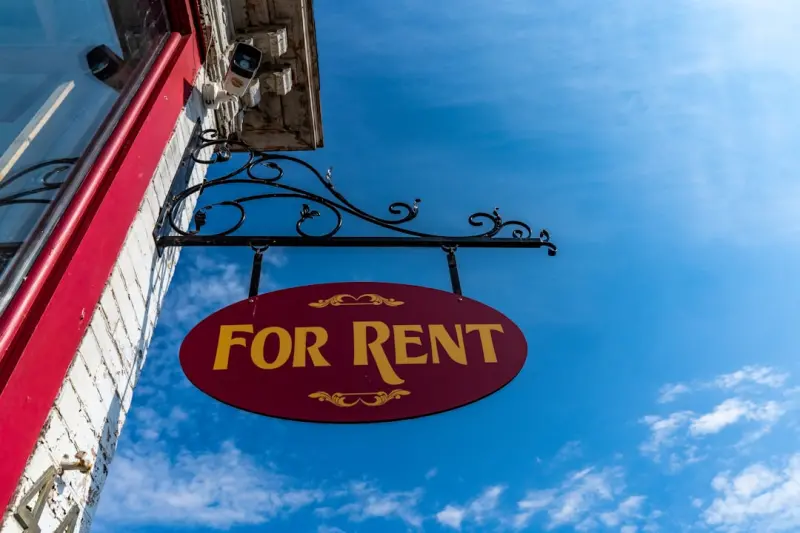
Why Short‑Term Rentals Are the Legal Hotspot of Today’s Real Estate Market
When you walk past a city street dotted with sleek glass apartments and a handful of homes sporting “Airbnb” signs, you’re witnessing a seismic shift in how property is used, monetized, and regulated. The short‑term rental (STR) boom has turned vacant rooms into revenue engines, but it has also thrust property owners, tenants, municipalities, and platforms into a complex legal maze. Unlike traditional leasing, STRs operate at the intersection of housing law, zoning ordinances, tax codes, and emerging consumer‑protection rules. In this deep‑dive, I’ll unpack the core legal challenges, spotlight the most contentious policy debates, and offer practical steps for landlords and investors who want to ride the wave without getting tangled in lawsuits or municipal penalties.
The Zoning Question: From “Home” to “Commercial” in One Click
At its heart, the STR controversy is a zoning issue. Municipalities traditionally segregate land uses—residential, commercial, industrial—to preserve neighborhood character and ensure public services are appropriately allocated. When a homeowner lists a unit on a short‑term platform, that property suddenly straddles two categories. Cities respond in three common ways:
- Explicit bans. Some jurisdictions outlaw STRs in certain districts outright, citing noise, safety, and housing‑affordability concerns.
- Permit‑required models. Others allow STRs but require a conditional use permit, a fire inspection, and a minimum distance from schools or hospitals.
- Regulated caps. A growing number of cities impose a cap on the number of days a unit can be rented annually, typically ranging from 30 to 120 days.
The legal kicker is that these rules are not uniform. A property that can be listed in one neighborhood may be prohibited just a few blocks away. For landlords, the key is conducting a thorough zoning analysis before signing any listing agreement. Failure to do so can result in hefty fines, forced de‑listing, or even forced eviction of tenants who unknowingly violate local codes.
Tenant Rights Meet Owner Income: The New Lease Clause Battlefield
Traditional leases are built on the premise of stability: a tenant occupies a unit for a fixed term, pays rent, and the landlord provides quiet enjoyment. STRs upend that stability. Many landlords now embed “right‑to‑rent‑out” clauses in residential leases, granting them permission to sub‑let on a short‑term basis. However, courts are increasingly scrutinizing these clauses for fairness.
In jurisdictions with strong tenant‑protection statutes, a landlord may need to obtain written consent from the tenant before listing the unit, and must provide a reasonable notice period—often 30 days. Some courts have ruled that overly broad “unlimited sub‑letting” provisions constitute an unlawful restraint on the tenant’s right to quiet enjoyment. The legal trend is moving toward a balanced approach: landlords can pursue STR income, but only if they respect the tenant’s contractual rights and give adequate notice.
Taxation and Revenue Sharing: The Hidden Financial Pitfalls
Short‑term rentals generate income that sits in a gray zone between personal rent and commercial revenue. The tax implications can be daunting:
- Occupancy taxes. Many cities levy a hotel‑type occupancy tax on each night booked, which platforms often collect and remit on behalf of the host. Hosts must still report this income on their tax returns.
- Business registration. In some jurisdictions, operating an STR is considered a business activity, requiring a business license and quarterly estimated tax payments.
- Deductible expenses. Expenses such as cleaning fees, platform commissions, and utility bills may be deductible, but the IRS (or equivalent tax authority) demands meticulous record‑keeping to differentiate personal use from rental use.
Neglecting these obligations can trigger audits, penalties, and back‑tax assessments. A prudent strategy is to treat the STR as a separate business entity—often an LLC—to compartmentalize liability and streamline tax reporting.
Liability and Insurance: When a Guest Breaks a Window
Short‑term guests bring a unique risk profile. A visitor’s slip‑and‑fall, property damage, or even a party that spirals out of control can expose the host to liability. Traditional homeowners’ insurance policies typically exclude coverage for commercial activities, which includes STRs. This gap has given rise to a niche market of STR‑specific insurance products.
Platforms like Airbnb have introduced host protection insurance, but the coverage limits and exclusions vary widely. In some cases, a host may need a hybrid policy that combines personal liability, property damage, and loss‑of‑income coverage. The legal landscape is still evolving, and recent court decisions have begun to hold hosts personally liable when they fail to take reasonable steps to ensure guest safety. For landlords, the lesson is clear: never rely solely on platform‑provided insurance; conduct a risk assessment and secure a policy that aligns with local statutes.
Data Privacy Meets Rental Platforms: The Unseen Legal Layer
Every booking generates a trove of personal data—guest names, payment details, travel itineraries, and even biometric information in some newer smart‑lock systems. While the focus often lands on tax and zoning, data privacy obligations are equally critical. In regions with robust privacy regimes, such as the GDPR in Europe or the CCPA in California, platforms and hosts must disclose how data is collected, stored, and shared.
Failure to comply can result in steep fines and reputational harm. A practical approach is to embed a clear privacy notice within the rental agreement and to partner only with platforms that demonstrate compliance. For deeper insight on how privacy law is reshaping data handling, see Data Portability: The Quiet Revolution Reshaping Privacy Law.
Platform Liability and the Rise of AI‑Driven Risk Management
Short‑term rental platforms are not just passive marketplaces; they increasingly use AI to vet listings, screen guests, and predict risk. While these tools promise efficiency, they also open the door to new legal questions about algorithmic bias and liability. If an AI system incorrectly flags a legitimate host as high‑risk, the host may lose income without recourse.
Conversely, if an AI fails to flag a high‑risk guest who then causes damage, the platform could be exposed to negligence claims. The intersection of AI and liability is still being charted, and recent scholarship highlights the broader trend in insurance law. For a broader view on how AI is reshaping liability, check out AI‑Driven Liability: How Insurance Law Is Racing to Keep Up.
Compliance Checklist for the Savvy STR Host
To navigate this intricate legal terrain, I recommend the following checklist:
- Confirm zoning compliance. Verify local ordinances, obtain any required permits, and adhere to caps on rental days.
- Draft a robust lease amendment. Include explicit language on STR rights, notice periods, and tenant consent requirements.
- Secure appropriate insurance. Purchase an STR‑specific policy that covers liability, property damage, and loss of income.
- Register for taxes. Obtain any necessary business licenses, collect occupancy taxes, and maintain detailed financial records.
- Implement privacy safeguards. Provide transparent data‑use disclosures and ensure platform partners comply with applicable privacy laws.
- Monitor AI and platform terms. Stay informed about how algorithmic decisions affect your listings and maintain a channel for dispute resolution.
By treating short‑term rentals as a regulated business rather than a casual side‑gig, hosts can unlock the revenue potential while staying on the right side of the law.
Looking Ahead: The Future of STR Regulation
Municipalities are experimenting with a range of policy tools—ranging from “home‑share” districts that allow higher rental frequencies to “strike‑zone” penalties that impose steep fines for violations. Some cities are even exploring a revenue‑sharing model where a percentage of STR income funds affordable‑housing initiatives. As these policies evolve, the legal framework will become more nuanced, demanding that hosts stay agile.
One thing is certain: the dialogue between property owners, tenants, platforms, and regulators will intensify. By engaging early, participating in public‑comment periods, and aligning business practices with emerging standards, you can shape a more predictable, profitable, and community‑friendly short‑term rental ecosystem.

Liam James Professor with a PHD. & content creator with a passion for sparking curiosity and sharing knowledge. Driven by the joy of learning and storytelling, I bring ideas to life in every project. Always exploring, always teaching.
Related Posts

Unlocking Real Estate: How Tokenization is Reshaping Property Law
Tokenizing property turns buildings into blockchain assets, democratizing ownership but raising comp... Read More

Adaptive Reuse: Legal Pitfalls When Converting Industrial Spaces to Mixed‑Use Hubs
Adaptive reuse offers a sustainable path to revitalizing industrial sites, but it brings complex leg... Read More

Real Estate Tokenization: Redrawing Ownership Rules
Tokenization is turning traditional property titles into blockchain‑based shares, creating new leg... Read More
Top Posts

When Love Unravels: A Modern Guide to Family Law Challenges
A fresh look at family law reveals the impact of tech, AI, and emotional insight on divorce, custody, and financial transparency, offering practical steps for m...Read More

When Your Car Gets a Software Patch: Navigating OTA Update Law
Over‑the‑air updates transform cars into living software, raising fresh liability, privacy, and consumer‑protection questions. This article unpacks the le...Read More

Beyond Keywords: Crafting an Intent‑First SEO Strategy for B2B SaaS
In this deep‑dive, Margaret Strawbridge shares a fresh, intent‑first SEO framework for B2B SaaS companies, covering semantic clusters, structured data, resp...Read More

From Canvas to Code: Protecting Creative Works in the Age of Generative AI
Generative AI is redefining how art, music, and copy are made, but the law still demands human authorship. This article breaks down the copyright challenges, ow...Read More
0 Comments
Post Comment
You will need to Login or Register to comment on this post!