

Why SEO Feels Like a Rollercoaster Right Now
Every time I log into Google Search Console, it feels like stepping onto a moving platform—one minute I’m cruising, the next a sudden algorithm tweak throws me off balance. The search engine optimization arena has become a high‑velocity ecosystem where AI‑generated content, voice queries, and visual search all compete for a slice of the SERP pie. As someone who’s watched the field evolve from keyword stuffing to experience‑first indexing, I can tell you that the only constant is change, and the only way to stay upright is to anticipate the next twist.
Artificial Intelligence: The New Gatekeeper
Google’s AI models now act as the first line of defense, evaluating everything from relevance to factual accuracy before a page ever sees a human eye. This shift means that the days of sprinkling keywords like confetti are over; instead, we must teach our content to speak the language of machine‑learning algorithms while still resonating with real readers. I’ve started drafting briefs that ask, “If an AI were to summarize this page in 140 characters, what would it say?” and the results have been startlingly effective.
Understanding User Intent in a Conversational World
Modern users frame their searches like conversations, expecting instant, context‑aware answers that fit their lives. To meet this demand, I break down each keyword cluster into three intent tiers—informational, transactional, and navigational—and then map them to content that mirrors a natural dialogue. If you’re looking for a deeper dive, check out Mastering Modern SEO for a roadmap that aligns with tomorrow’s search expectations.
E‑E‑A‑T: More Than an Acronym, a Trust Blueprint
Google’s emphasis on Experience, Expertise, Authoritativeness, and Trustworthiness has transformed SEO into a credibility contest. I now audit every piece of content for author bios, citation quality, and transparent sourcing, treating each factor as a data point in a larger trust score. When a page can demonstrate real‑world expertise—through case studies, verified credentials, or industry awards—it earns a seat at the SERP table, often outranking competitors with higher traffic but lower authority.
Technical Foundations: Core Web Vitals and Beyond
Speed, stability, and interactivity remain the bedrock of a site’s technical health, and Google’s Core Web Vitals are the metric gatekeepers. I run a weekly performance sprint, tackling one metric at a time—Largest Contentful Paint, First Input Delay, and Cumulative Layout Shift—to keep the site humming. In addition to raw numbers, I also prioritize server‑side rendering and modern image formats, because a fast site not only pleases algorithms but also reduces bounce rates for human visitors.
Content Clusters: Building Topic Authority
Instead of scattering isolated articles, I design content clusters that orbit a central pillar page, each supporting a specific subtopic. This structure signals to search engines that your site has depth on a subject, boosting the chance of ranking for both head terms and long‑tail queries. Here’s a quick checklist I use:
- Identify a broad, high‑search‑volume pillar.
- Create comprehensive, evergreen content that serves as the hub.
- Develop supporting articles that link back to the pillar with contextual anchors.
- Continuously update both hub and spokes with fresh data and insights.
Link Building in a Privacy‑First Era
Traditional link building tactics are losing steam as browsers clamp down on third‑party cookies and cross‑site tracking. Today, earning links is less about quantity and more about relevance, contextual fit, and brand reputation. I focus on creating data‑driven assets—research reports, industry benchmarks, interactive tools—that naturally attract citations from reputable domains. For a broader view on how emerging tech reshapes trust, see The Legal Ripple Effect, which parallels SEO’s shift toward authenticity.
Measuring Success: From Rankings to Real‑World Impact
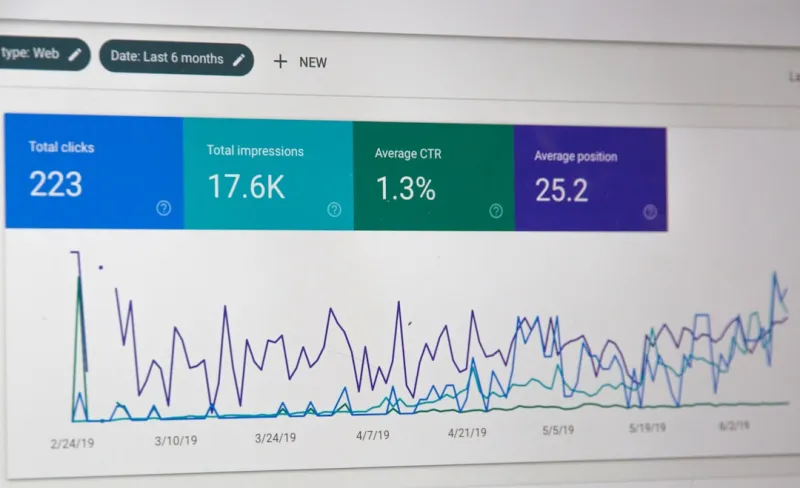
Ranking positions are still useful, but the real KPI is how organic traffic translates into conversions, brand lift, and customer lifetime value. I integrate Google Analytics 4 with CRM data to trace the full journey—from the first SERP impression to the final purchase—allowing me to attribute revenue to specific keyword clusters. This holistic view uncovers hidden opportunities, like high‑intent keywords that drive low‑volume traffic but high conversion rates, prompting targeted content investments.
Future‑Proofing Your SEO Strategy
The only way to survive the relentless pace of SEO is to embed flexibility into every process, from content creation to technical audits. I adopt an agile mindset, treating each algorithm update as a sprint review and adjusting the backlog of optimization tasks accordingly. By staying curious, leveraging AI responsibly, and constantly aligning with user intent, you’ll not only weather the storms but also ride the wave toward sustained organic growth.

Kris Kennel is a Paralegal outside of Austin, Texas where he spends most of his time helping users with legal matters that concern them. When he is not working he enjoys time with his wife and kids.
Related Posts

Why Structured Data Is Your New SEO Superpower
Structured data has become essential for modern SEO, especially as AI-generated search results domin... Read More

SEO Strategies That Feel Like Legal Tactics: Kris M. Chen’s 2024 Playbook
Kris M. Chen reveals a legal‑inspired SEO playbook for 2024, turning search intent, technical audi... Read More
Why SEO Must Evolve with AI: A Fresh Take on Ranking in the Age of Algorithms
Explore how AI transforms SEO, from intent‑focused content and technical health to structured data... Read More
Top Posts

Personal Breathalyzers: A Quiet Revolution
A deep dive into how personal breathalyzer technology can transform individual choices, legal approaches, and community safety, offering a proactive path to cur...Read More

Beyond the Ceremony: Legal Realities of Spousal Immigration in a Globalized World
A deep dive into the evolving landscape of spousal immigration, covering visa options, digital evidence, remote‑work implications, prenups, domestic‑violenc...Read More

When Storms Strike: How Parametric Insurance Is Redefining Disaster Recovery
Explore the rise of parametric insurance, its legal nuances, and practical steps for policyholders to secure faster, data‑driven disaster payouts....Read More

The Hidden Risks of Autonomous Drone Deliveries
A deep dive into the unseen hazards of autonomous drone deliveries, covering regulatory gaps, liability issues, insurance solutions, and best practices to keep ...Read More
0 Comments
Post Comment
You will need to Login or Register to comment on this post!