
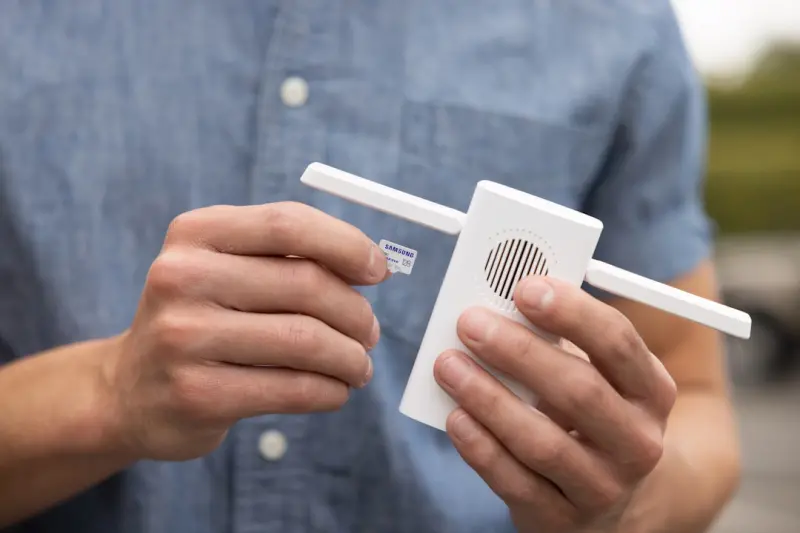
Imagine a world where the moment you feel the buzz of a cocktail, a sensor tucked under the driver’s seat quietly decides whether the car should stay put or take you home. That isn’t a sci‑fi thriller; it’s the next frontier in the fight against impaired driving, and it’s already creeping into fleet dashboards, rideshare apps, and corporate mobility programs.
Why the “silent sensor” matters more than ever
For decades, the battle against impaired driving has been fought on two fronts: law enforcement’s breathalyzers and public‑health campaigns that ask us to “don’t drink and drive.” Both are critical, but they’re also reactive. The breathalyzer tells you you’re over the limit after the fact; the campaign reminds you to think before you sip, but it can’t stop the impulse in the moment.
What we need now is a proactive, technology‑driven layer that can intervene before a vehicle leaves the driveway. This is where in‑cab AI and biometric sensors step in, turning the driver’s own data into a safety net.
The tech stack: From cameras to wearables
Modern vehicles already host a suite of cameras, radar, and lidar for advanced driver‑assistance systems (ADAS). Adding a driver‑monitoring system (DMS) that watches eye movement, head position, and facial cues is a natural extension. The real game‑changer, however, is the integration of biometric wearables—smart rings, wristbands, or even contact lenses—that can measure blood alcohol concentration (BAC) through skin contact or breath analysis without a bulky device.
- Optical sensors: Infrared cameras can detect pupil dilation—a classic sign of alcohol intoxication.
- Acoustic sensors: Microphones pick up speech slur patterns that correlate with impairment levels.
- Skin‑based BAC meters: These tiny devices read ethanol molecules through the skin, delivering a reading in seconds.
When these data points feed into an AI engine, the system can calculate a confidence score that the driver is impaired. If the score crosses a pre‑set threshold, the car can lock the ignition, send an alert to a fleet manager, or suggest a rideshare alternative.
Legal implications for businesses and fleet operators
Deploying such technology isn’t just an engineering decision; it’s a legal tightrope. Companies must navigate privacy statutes, liability exposure, and labor regulations—all while maintaining the trust of drivers.
Take the case of a subscription‑based vehicle fleet that offers on‑demand access to cars for corporate employees. The legal nuances of that model are explored in When Cars Subscribe: Unpacking the Legal Maze of Vehicle Subscription Services. Adding in‑cab AI to that mix raises fresh questions: Who owns the biometric data? What happens if a sensor misclassifies a sober driver as impaired? And how does a company protect itself if an accident occurs despite the AI’s intervention?
Most jurisdictions treat biometric data as “sensitive personal information,” demanding explicit consent and strict storage safeguards. Companies must draft clear policies that explain:
- The purpose of data collection (safety, not surveillance).
- How long data will be retained (usually just long enough for an incident review).
- Who can access the data (typically only the safety compliance team).
In addition, the emergence of AI‑driven impairment detection intersects with existing occupational safety obligations. Employers who provide vehicles to employees could be held liable if they fail to implement reasonable safety measures, especially when an accident results from impairment that could have been caught by the sensor.
Balancing privacy with safety: A practical framework
Below is a step‑by‑step framework that helps companies strike the right balance:
- Conduct a privacy impact assessment (PIA): Map out data flows, identify risks, and define mitigation strategies before any hardware is installed.
- Secure informed consent: Use plain‑language agreements that outline what data is collected, why, and how it will be used.
- Implement data minimization: Store only the impairment score and a timestamp; discard raw biometric readings after analysis.
- Establish a clear escalation protocol: If the system flags impairment, the driver receives a real‑time alert with options (e.g., call a rideshare, contact a designated safety officer).
- Train drivers on the technology: Explain that the system is a safety ally, not a punitive tool, and provide a simple process for contesting false positives.
- Review and update policies regularly: Technology evolves, and so do privacy regulations. Schedule annual audits.
By embedding these steps into a company’s safety program, organizations can reduce the risk of legal exposure while fostering a culture that values both privacy and well‑being.
Impaired driving in the gig economy: A unique challenge
The rise of gig platforms—food delivery, ridesharing, and on‑demand freight—has created a new class of “independent contractors” who spend countless hours behind the wheel. Traditional employer‑based safety programs often don’t apply, leaving a regulatory gap.
One emerging solution is to embed the silent sensor directly into the gig platform’s driver app. When a driver logs in, the app can prompt a quick skin‑based BAC check. If the reading is above the legal limit, the app blocks the shift and offers a “call a friend” or “order a ride home” button.
This model raises fresh legal questions about the platform’s liability. Is the platform acting as an employer because it controls who can work? Or is it simply a neutral marketplace? The answer varies by jurisdiction, but the trend is clear: regulators are leaning toward holding platforms accountable for safety‑critical tools they provide.
Insurance implications: From risk pools to dynamic pricing
Insurance carriers have long used driving history to set premiums. With real‑time impairment data, insurers can move toward dynamic pricing—adjusting rates based on actual behavior rather than static demographics.
Imagine a fleet that consistently shows low impairment scores. The insurer could reward that fleet with lower deductibles or premium discounts. Conversely, a pattern of frequent flags could trigger a risk review, higher premiums, or mandatory safety interventions.
However, insurers must tread carefully. Using biometric data for underwriting could be deemed discriminatory under the Genetic Information Nondiscrimination Act (GINA) analogues in many states. Transparency and driver consent become paramount.
Future outlook: From alerts to autonomous intervention
Today’s AI sensors can only alert—they can’t take the wheel. But the next wave of research is exploring “intervention” capabilities. If a driver is flagged as impaired, the vehicle could automatically activate Level 2‑plus autonomous mode, steering the car to a safe stop or a designated drop‑off point.
Such autonomy would dramatically shift liability. If the AI takes over and a collision still occurs, who is at fault? The driver, the vehicle manufacturer, or the AI developer? Legal scholars are already debating these “shared liability” scenarios, and case law will soon catch up.
Key takeaways for leaders
- Proactive tech beats reactive enforcement. In‑cab AI can prevent an impaired driver from ever hitting the road.
- Privacy is non‑negotiable. Robust consent processes and data minimization protect both drivers and companies.
- Policy must evolve with technology. Regular audits ensure compliance with emerging privacy statutes and liability standards.
- Gig platforms can’t hide behind “independent contractor” labels. Safety tools bring a new layer of responsibility.
- Insurance will become data‑driven, but ethical safeguards are essential. Transparent use of biometric data is key to avoiding discrimination claims.
Ultimately, the silent sensor is more than a gadget; it’s a cultural shift. It tells us that safety is no longer a “nice‑to‑have” afterthought but a built‑in feature of every journey. As the technology matures, the legal landscape will adapt, but the core principle remains unchanged: protecting lives through smarter, more humane solutions.
For a broader view of how businesses are already rethinking impaired‑driving risks, see Beyond the Breathalyzer: Business Strategies to Tackle Impaired Driving Risks. That piece outlines practical steps that complement the sensor‑centric approach outlined here.

Kris Kennel is a Paralegal outside of Austin, Texas where he spends most of his time helping users with legal matters that concern them. When he is not working he enjoys time with his wife and kids.
Related Posts

When Data Meets Humanity: A Compassionate Playbook for Tackling Impaired Driving in the Modern Workplace
A compassionate, data‑driven framework helps companies move beyond punitive policies, integrating ... Read More

Predictive Analytics: Turning Impaired Driving from Crisis to Managed Risk
Impaired driving is no longer just a post‑accident issue; predictive analytics let companies spot ... Read More

Why Companies Need a Sobriety‑First Culture in Their Fleet Strategies
A deep dive into building a sobriety‑first culture for corporate fleets, covering policies, incent... Read More
Top Posts

Gig Workers, Insurance Gaps, and the Fight for Fair Coverage
The gig economy’s rise has exposed glaring insurance gaps for independent contractors. This article examines emerging legal challenges, innovative policy solu...Read More

Navigating the 2024 Family Law Landscape: Tech, Narrative, and Compassion
In 2024, family law fuses AI-powered courts, data-driven custody battles, and narrative storytelling, demanding lawyers balance tech, empathy, and advocacy for ...Read More

E‑Scooter Crashes: Unraveling Liability in the Urban Jungle
E‑scooter accidents are reshaping personal injury law. This article breaks down manufacturer, rental operator, and city responsibilities, offers practical saf...Read More

Digital Nomad Parenting: Custody, Support, and the New Family Law Frontier
A deep dive into how the rise of remote work and digital‑nomad living is transforming family law, covering jurisdiction, cross‑border child‑support enforc...Read More
0 Comments
Post Comment
You will need to Login or Register to comment on this post!